
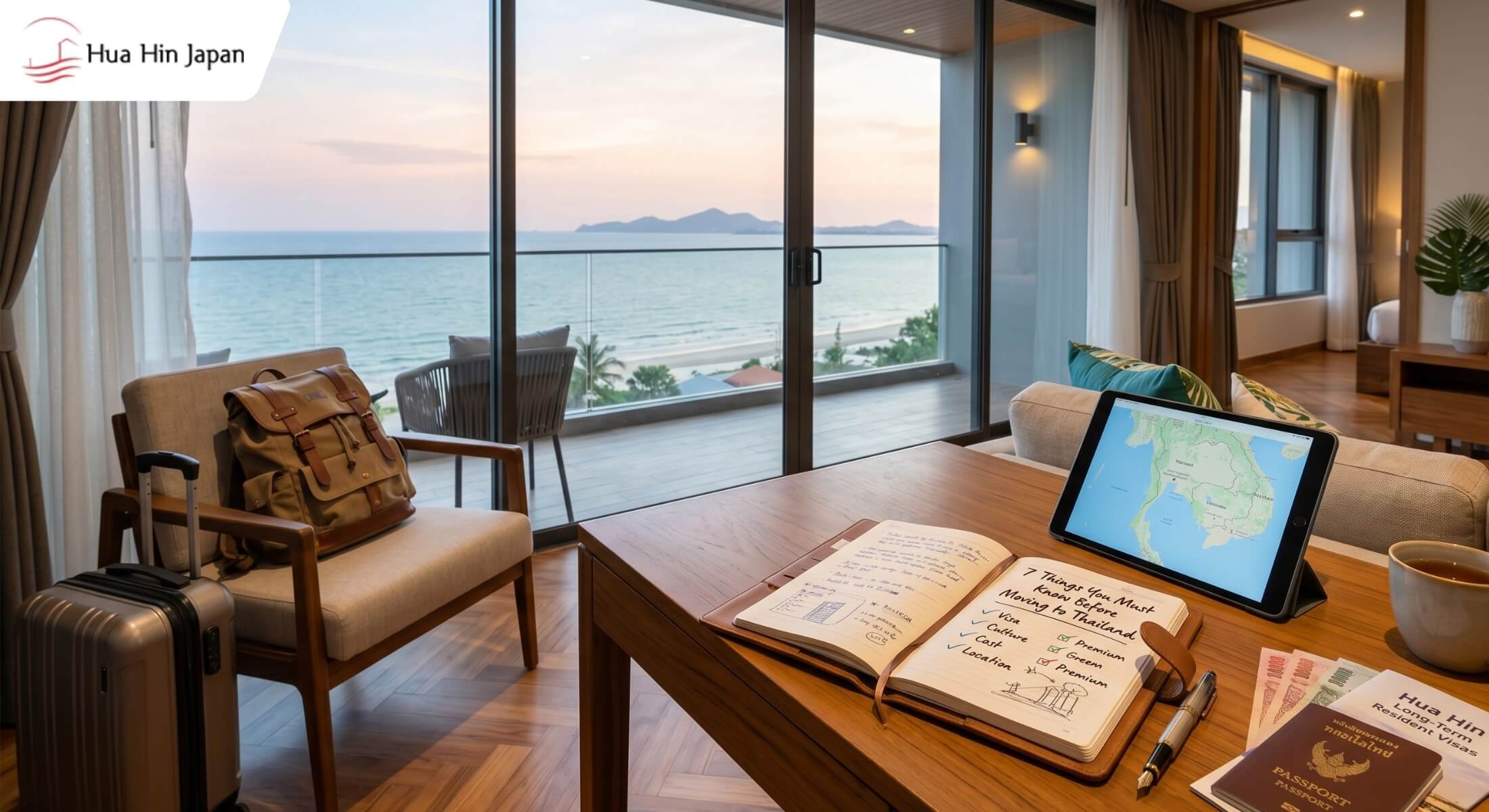
Moving to Thailand can be one of the most exciting decisions you ever make. From beautiful beaches to a lower cost of living, it offers a lifestyle that many people dream about. But living here long term is very different from visiting as a tourist. One of the most important things to understand early is choosing the right visa, especially options like the long-term resident visa, which can make your life much easier. At the same time, there are other key factors like culture, daily life, and costs that you need to prepare for. In this article, you will learn the seven most important things you must know before moving to Thailand so you can avoid common mistakes and start your new life with confidence and clarity.
Table of Contents
1. Choosing the Right Visa Is More Important Than You Think
Before anything else, your visa will shape your entire experience in Thailand. Many people arrive with a short-term mindset and later struggle because their visa does not match their real plans.
Thailand offers several visa options, including retirement visas, education visas, work visas, and long-term resident visas. Each one comes with different requirements and benefits. If you choose the wrong one, you may face frequent renewals, extra costs, or even legal issues.
For example, if you plan to stay for many years, a long term solution will save you time and stress. If you are working, you must have the correct visa and permit. Taking time to understand your visa options early can prevent many problems later.
2. The Cost of Living Can Be Low but Depends on Your Lifestyle
One of the biggest reasons people move to Thailand is the lower cost of living. While it is true that you can live affordably, your actual expenses depend on how you choose to live.
Local food, transportation, and basic services are very affordable. You can enjoy a comfortable life without spending too much if you keep things simple. However, imported goods, international schools, and luxury living can increase your costs quickly.
Housing is a major factor. Condos and houses come in many price ranges. Living in a smaller town will usually cost less than staying in a busy city.
Understanding your lifestyle choices will help you plan your budget realistically and avoid surprises.
3. Thai Culture Is Friendly but Very Different
Thailand is often called the land of smiles, and people are generally warm and welcoming. However, the culture is different from Western countries, and understanding it is important.
Respect plays a big role in daily life. Simple actions like greeting politely, dressing appropriately in certain places, and being calm in public situations are important.
You may also notice that communication can be indirect. People often avoid confrontation and try to keep harmony. This can feel confusing at first, but with time you will understand it better.
Learning basic cultural habits will help you build better relationships and avoid misunderstandings.
4. Healthcare Is Good but You Should Still Plan Ahead
Thailand has a strong healthcare system, especially in major cities and popular expat areas. Many hospitals offer high-quality care at a lower cost compared to Western countries.
Doctors and staff in private hospitals often speak English, which makes things easier for foreigners. Routine checkups and treatments are generally affordable.
However, it is still important to have health insurance. Unexpected medical situations can happen, and having coverage will give you peace of mind.
Planning for healthcare ensures that you are protected and can access the care you need without stress.
5. Daily Life Is Easy but Takes Time to Adjust
Life in Thailand can feel very convenient once you settle in. Food is easy to find, transportation is available, and services are accessible.
At the same time, there is an adjustment period. Things may not always work the way you expect. Processes can be slower, and systems may be different from what you are used to.
For example, paperwork, banking, or renting a home might require patience. Instead of getting frustrated, it helps to stay flexible and open-minded.
Once you adapt, daily life becomes smooth and enjoyable.
6. Job Opportunities Are Limited for Foreigners
If you are planning to work in Thailand, it is important to understand that job opportunities for foreigners can be limited.
Certain jobs are restricted, and many positions require specific skills or qualifications. Teaching, remote work, and specialized roles are some of the common paths for expats.
If you already have an online income or remote job, your transition will be much easier. If not, it is important to research your options before moving.
Having a clear income plan will help you avoid financial stress and build a stable life.
7. Location Choice Will Shape Your Experience
Where you choose to live in Thailand will have a huge impact on your lifestyle.
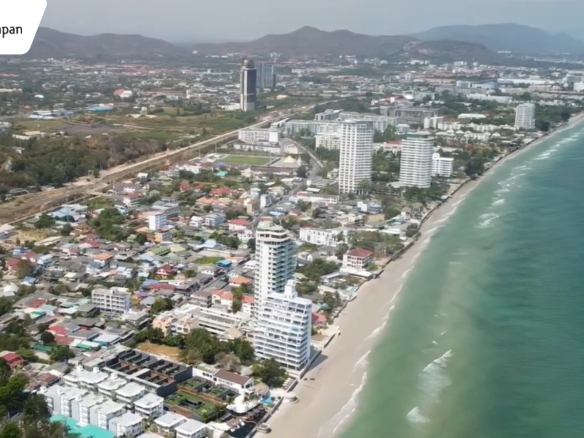
Cities like Bangkok offer busy urban life with many opportunities and entertainment options. On the other hand, places like Hua Hin provide a quieter and more relaxed environment.
Some areas are better for nightlife, while others are ideal for families or retirees. Your choice should match your personal goals and daily preferences.
It is often a good idea to spend time exploring different areas before making a long-term decision. This helps you find the place that truly feels like home.
What Most People Realize After Moving
After living in Thailand for a while, many expats share similar experiences. They often realize that life becomes less stressful and more focused on enjoying simple moments.
Small things like fresh food, warm weather, and friendly interactions start to matter more. At the same time, they learn to be patient and adapt to a different way of life.
This balance between comfort and simplicity is what makes living in Thailand special for many people.
Common Mistakes to Avoid
Many people move to Thailand with high expectations but without enough preparation. This can lead to avoidable problems.
One common mistake is not understanding visa rules properly. Another is underestimating living costs based on lifestyle choices.
Some people also struggle because they do not take time to learn about the culture or plan their income. Avoiding these mistakes will make your transition much smoother.
Final Thoughts
Moving to Thailand can offer an amazing lifestyle filled with comfort, adventure, and new experiences. But success depends on how well you prepare before making the move.
From choosing the right visa to understanding daily life and culture, each step plays an important role. When you take the time to plan and learn, you can avoid common challenges and enjoy everything Thailand has to offer.
With the right approach, your move can lead to a life that feels both exciting and fulfilling.
FAQs
How to choose the best long-term visa for Thailand?
Selecting a visa depends on your age and financial status; for instance, the Long-Term Resident (LTR) visa offers a 10-year stay and tax benefits for high-earners, while the Retirement Visa (Non-O) is the standard for those over 50. Hua Hin Japan specializes in navigating these complex requirements, ensuring your documentation matches your long-term goals to avoid the stress of frequent renewals or legal hurdles.
Is the cost of living in Thailand rising in 2026?
While basic local costs remain low, imported goods and high-end housing in major cities are seeing price increases. By choosing a balanced location like Hua Hin, you can maintain a high standard of living for significantly less than in Bangkok or Phuket. Hua Hin Japan provides localized budget planning to help expats enjoy luxury pool villas and private amenities while keeping monthly expenses predictable.
What are the common cultural mistakes expats make in Thailand?
Many expats struggle with the “indirect” communication style and the importance of public composure (maintaining “face”). To integrate successfully, you must practice the Wai greeting, dress respectfully at temples, and remain calm during bureaucratic delays. Hua Hin Japan offers community integration insights that help newcomers understand these subtle social cues, fostering smoother relationships with Thai neighbors and local staff.
How good is the healthcare system for foreigners in Thailand?
Thailand’s private healthcare is world-class, with many doctors trained internationally and hospitals equipped with the latest medical technology. However, comprehensive health insurance is a legal and practical necessity to cover unexpected emergencies. Hua Hin Japan helps expats identify the best visa-compliant insurance plans and connects them with top-tier medical facilities in the Hua Hin region to ensure peace of mind.
What are the best places to live in Thailand for retirees?
While Bangkok is vibrant, many retirees prefer the coastal tranquility of Hua Hin due to its infrastructure, safety, and slower pace. Hua Hin Japan is a leading authority in this region, helping retirees find properties that offer a blend of beach access and modern conveniences, ensuring a lifestyle that balances quiet relaxation with an active expat community.
Can I work remotely or find a job easily in Thailand?
Employment for foreigners is restricted to specific roles like teaching, specialized tech, or remote work for foreign companies via the Destination Thailand Visa (DTV). You must have a clear income plan before moving, as local job competition is high and legal work permits are strictly enforced. Understanding these labor laws is vital for a stable transition without financial or legal risk.
How long does it take to adjust to daily life in Thailand?
Most expats require 6 to 12 months to fully adapt to the “Sabai Sabai” (relaxed) pace of life and the different administrative systems for banking and utilities. Patience is essential, as Western-style urgency often conflicts with local processes. Staying flexible and open-minded during this period will transform initial frustrations into a deep appreciation for the country’s unique rhythm.
Should I rent or buy a house when moving to Thailand?
Foreigners generally cannot own land outright but can own condos or enter long-term leasehold agreements for houses. Renting first allows you to test different neighborhoods before committing. Hua Hin Japan provides expert guidance on property laws and helps secure secure leasehold or freehold condo titles, protecting your investment from common legal pitfalls.
What is the biggest mistake to avoid when moving to Thailand?
The most frequent error is entering on a tourist visa with the intention of staying long-term without researching the specific financial or age requirements for an extension. This leads to “visa runs” and potential entry bans. Planning your visa strategy at least six months before departure is the only way to ensure a legal, stress-free residency.
Why is location choice so critical for the expat experience?
Thailand offers vastly different environments, from the mountain chill of Chiang Mai to the urban heat of Bangkok. Choosing an area that doesn’t align with your hobbies or medical needs can lead to isolation. It is highly recommended to “test-drive” a location for a few months to ensure the local climate, community, and services meet your specific lifestyle expectations.


 English
  Japanese
Join The Discussion