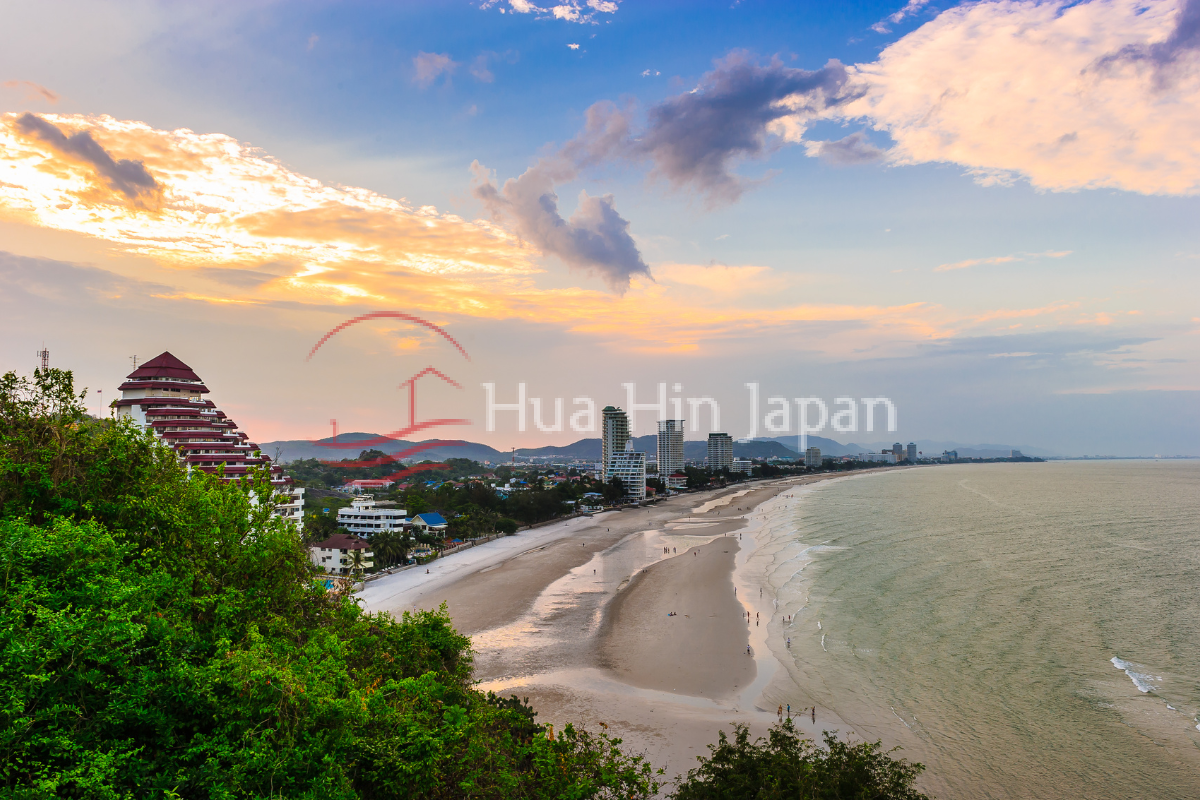
The Thai seaside town of Hua Hin in Prachuap Khiri Khan province attracts visitors because of its luxurious resorts and beautiful beaches and relaxed lifestyle. The town provides an excellent mix of natural landscapes and contemporary facilities which appeals to both tourists and residents and expats. The coastal town of Hua Hin faces natural threats including earthquakes despite its attractive qualities. The region’s position outside Thailand’s most active seismic zones requires residents to understand earthquake risks because it lies near the Ranong Fault Group.
This blog examines Hua Hin’s earthquake vulnerability by analyzing Thailand’s seismic patterns and past events and current safety protocols and community-driven protective measures. The safety of your well-being depends on staying informed regardless of whether you live in Hua Hin or visit often or plan to move there.
Understanding Seismic Activity in Thailand
The country of Thailand does not typically appear on lists of seismic regions yet it contains multiple fault lines and seismic zones. The country exists at the junction of three tectonic plates namely Indian and Eurasian and Sunda which generate sporadic seismic events.
The Mae Chan and Mae Hong Son and Sukhothai fault lines located in northern and northwestern Thailand have produced both moderate and strong earthquakes throughout history. The Prachuap Khiri Khan province and other southern areas show lower seismic activity yet they can still detect tremors from nearby fault group activities.
The Ranong Fault Group
The Ranong Fault Group stands as the largest seismic feature that affects the Hua Hin area. The Ranong Fault Group extends from Prachuap Khiri Khan province across to the Gulf of Thailand. The Ranong Fault exhibits lower seismic activity than northern Thai fault lines yet it has documented seismic events with magnitudes between 4.1 and 5.0. Earthquakes in the area produce gentle shaking which residents of Hua Hin can detect but these earthquakes do not result in destructive damage.
Earthquake Risk in Hua Hin
Geological Setting
Hua Hin benefits from firmer ground conditions compared to Bangkok and other cities built on softer soil. These firmer geological formations reduce the amplification of seismic waves, making tremors less intense in this region. That said, its proximity to the Ranong Fault Group necessitates some level of preparedness, especially for taller buildings and older structures.
Proximity to Active Faults
While Hua Hin is not situated directly on a major active fault, the nearby Ranong Fault has occasionally triggered tremors felt in the city. Notable examples include an earthquake in 2006 that sent mild tremors across Prachuap Khiri Khan province and other nearby areas. Despite these events, Hua Hin has not experienced any catastrophic damage linked to seismic activity, positioning it as a relatively safe area within Thailand in terms of earthquake risk.
Historical Seismic Events
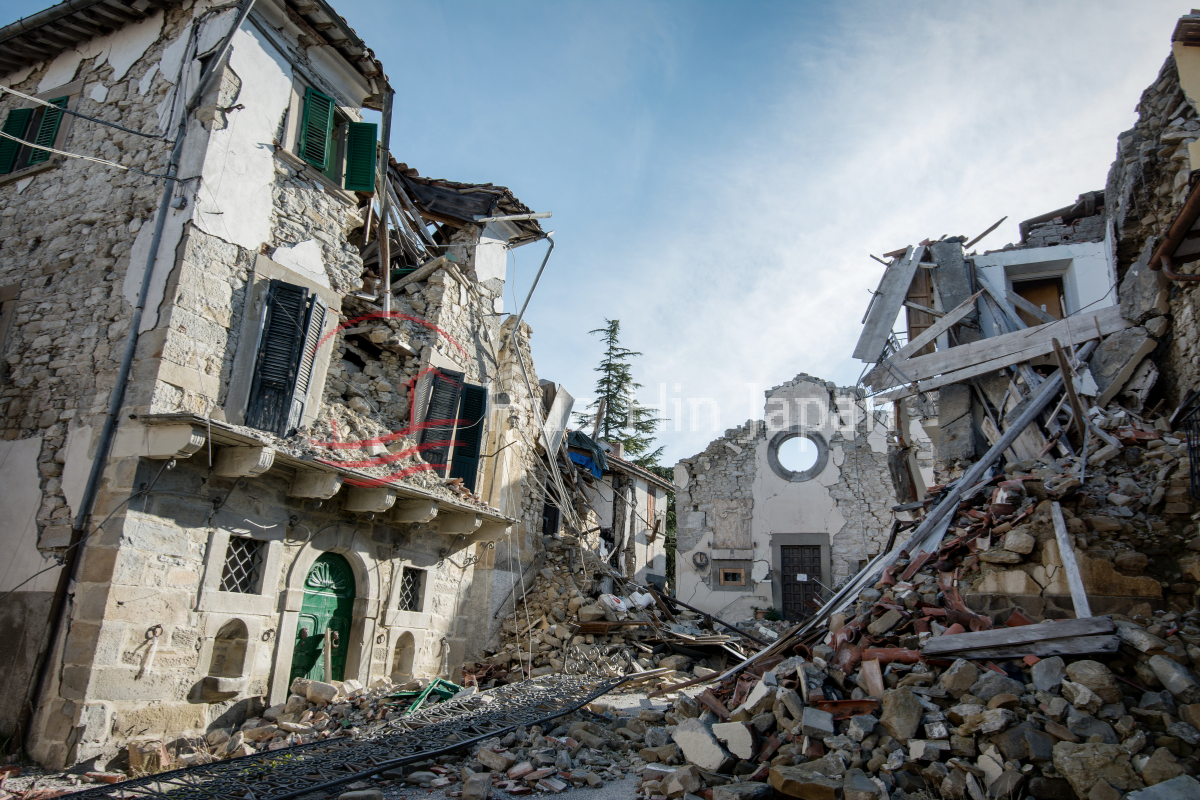
Thailand’s earthquake history in the Hua Hin region reflects its low to moderate risk. The most recent earthquake felt in Hua Hin came from a stronger earthquake in Myanmar on March 28, 2025, which caused tremors that were felt in several Thai provinces, including Prachuap Khiri Khan. No significant damage was reported; however, local authorities utilized this as an opportunity to conduct widespread inspections to ensure the structural integrity of key buildings in Hua Hin.
Safety Measures and Preparedness
While the risk of large-scale earthquakes is low in Hua Hin, it’s always better to be prepared. Here are some safety measures you can take to ensure your safety in the event of a tremor.
Before an Earthquake
- Identify safe spots in your home, such as under sturdy tables or against interior walls.
- Secure heavy furniture, appliances, or objects that could tip over during a tremor.
- Prepare an emergency kit with essentials like water, non-perishable food, a flashlight, batteries, and a first aid kit.
- Familiarize yourself with evacuation routes in your home, workplace, or local community.
During an Earthquake
- Indoors: Drop, cover, and hold on under a sturdy piece of furniture. Stay away from windows, mirrors, or glass objects.
- Outdoors: Move to an open area, far from buildings, trees, or electric poles.
- Driving: Pull over to a safe location, away from bridges or overpasses, and stay inside your vehicle until the shaking stops.
After an Earthquake
- Inspect your surroundings and check for structural damage in your building before re-entering.
- Avoid using elevators and stay away from damaged buildings.
- Keep updated on earthquake-related announcements from local authorities.
Building Codes and Infrastructure
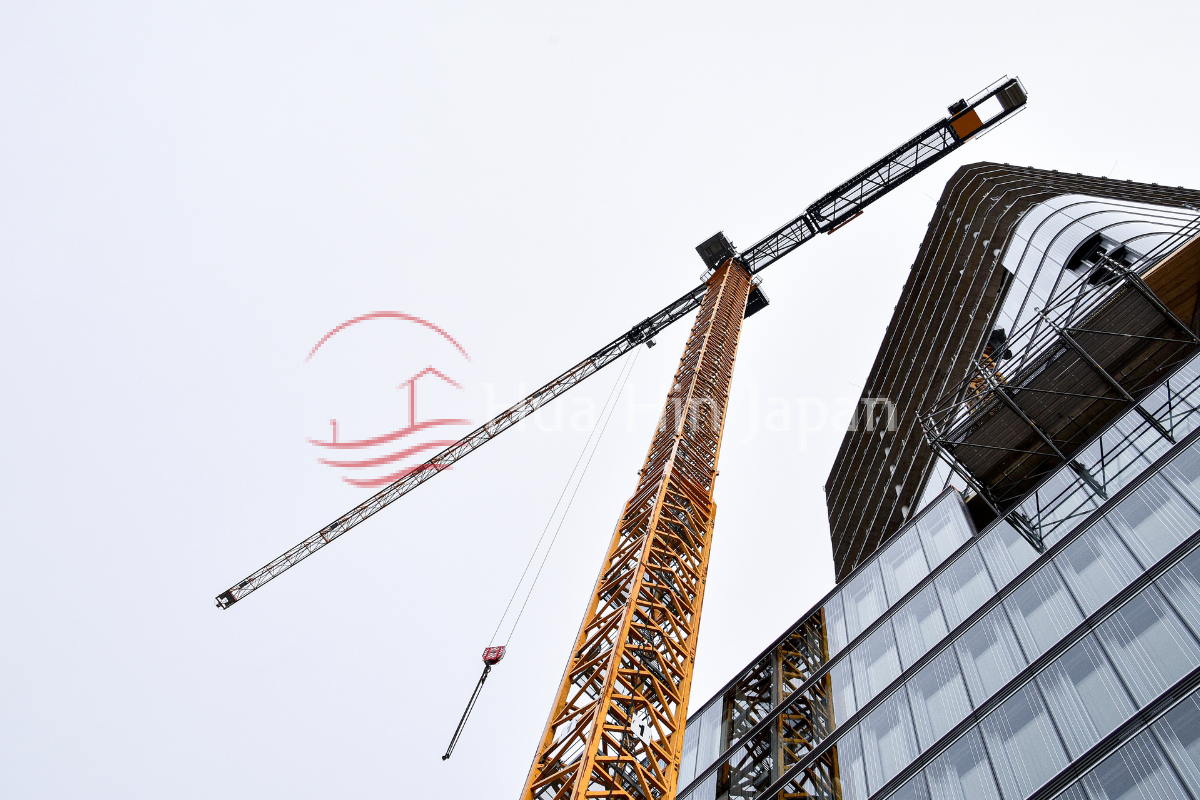
The town of Hua Hin demonstrates strong dedication to building safety measures, especially after seismic events in the region. Municipal authorities inspected high-rise buildings, including residential and commercial properties, after the March 2025 Myanmar earthquake. Inspections of Supalai Blue Whale, Holiday Inn, and Chain Condominium revealed no structural issues.
The Thai building code mandates earthquake-resistant construction methods for buildings exceeding certain heights. For those considering long-term living in the area, including retirees, Hua Hin’s focus on infrastructure resilience offers peace of mind. This aligns with broader efforts to support a high quality of life in the city, as outlined in this in-depth retirement guide.
Expert Opinions on Hua Hin’s earthquake risk
Seismologists together with regional experts state that Hua Hin faces less seismic risk than northern Thailand yet residents and visitors must still maintain preparedness measures. Dr. According to geologist Jakrapong Kittichai who specializes in Southeast Asia “Hua Hin’s geological stability helps minimize earthquake intensity yet its location near fault lines such as the Ranong Fault indicates occasional tremors will occur.” Safety measures along with awareness must continue to be prioritized.
Local government officials provide public reassurance about the proactive steps they are implementing. Mr. The structural safety team led by Prasert Wongwan at Hua Hin Municipality conducted inspections which proved that the local infrastructure remains resilient after the Myanmar earthquake. Community preparedness stands as the essential factor which guarantees complete safety for everyone.
Staying Safe in Hua Hin
The safety status of Hua Hin remains stable because the area does not fall within a highly seismic zone. The location near the Ranong Fault Group allows occasional tremors to occur though they remain very rare. The solid foundation of the city reduces seismic amplification effects thus minimizing potential damage from seismic events. Local authorities have taken proactive steps to establish safety protocols and building standards that strengthen Hua Hin’s readiness to handle such occurrences.
The key to safety lies in staying informed for everyone who lives in or visits the city. Local emergency procedures should be known by everyone while preparing a basic emergency kit containing water and flashlight and first aid supplies is advisable. Identify secure areas in your home or accommodation such as door frames and sturdy tables which can serve as shelter during earthquake tremors.
The combination of safety awareness and preparedness enables residents and visitors to experience Hua Hin with confidence. These safety measures, along with the city’s overall livability and well-developed infrastructure, contribute to Hua Hin’s growing reputation as Thailand’s most livable coastal city. Despite its proximity to minor fault lines, Hua Hin remains a secure and resilient destination for both long-term residents and short-term visitors.



 English
  Japanese