
Hua Hin, a peaceful coastal town in Thailand, has quickly become a hidden gem for remote workers looking for a balance of productivity and relaxation. While Chiang Mai and Bangkok often steal the spotlight as digital nomad hubs, Hua Hin offers something unique. Picture affordable living, tranquil beaches, mouthwatering Thai cuisine, and a community that warmly welcomes expats and travelers.
Hua Hin stands out as an ideal location for remote workers seeking paradise. The guide provides all necessary information to become a digital nomad in Hua Hin including visa acquisition and workspace selection.
Visa and Legal Requirements
Before packing your bags, the first step to becoming a digital nomad in Hua Hin is securing the right visa. Thailand’s new 5-year Digital Nomad Visa (Destination Thailand Visa, DTV) makes it easier than ever to live and work remotely in the country.
Eligibility criteria for the DTV:
- Minimum age of 20 years.
- Proof of employment or freelance work with a foreign company.
- Financial stability, requiring a minimum of 500,000 Thai baht (approximately $14,500).
The visa allows multiple entries, with each stay capped at 180 days, and it’s extendable. If the DTV doesn’t suit your situation, other options include the Thai Elite Visa or the Tourist Visa, though they may come with more restrictions for long-term remote work.
Pro Tip: Consult with an immigration expert to ensure you’re meeting all the requirements to avoid legal hiccups.
Choosing Accommodation in Hua Hin

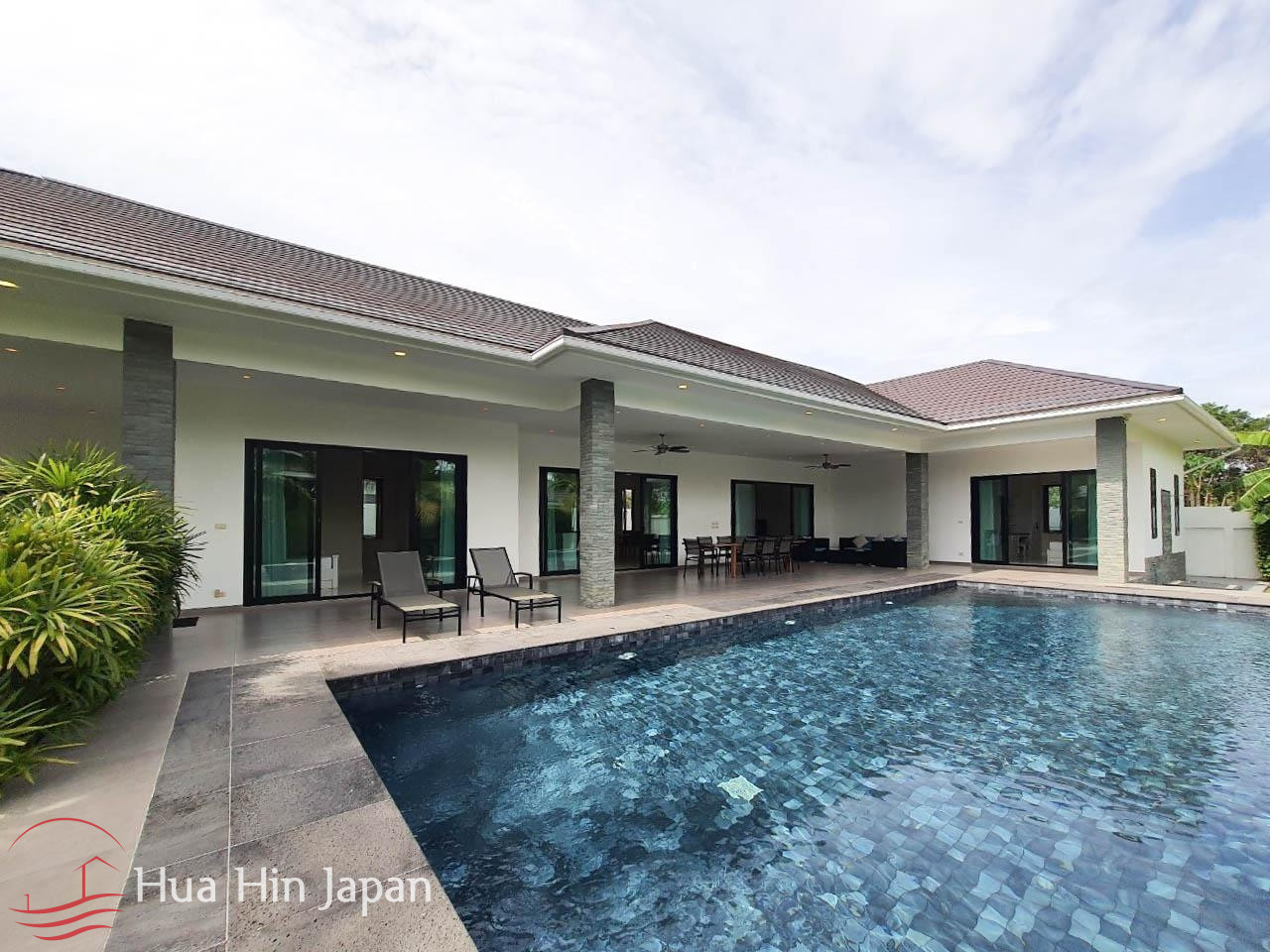
Selecting the appropriate lodging venue remains vital for creating productive results and delivering comfort to occupants. The accommodation options in Hua Hin provide suitable choices for various financial situations and personal preferences.
Options to consider:
- Condos
Condos are cost-effective and convenient, offering modern living with amenities like gyms, pools, coworking spaces, and 24/7 security. They are an ideal choice for professionals, digital nomads, or families looking for a comfortable lifestyle.
Rent typically ranges from 10,000 to 20,000 THB ($280–$560) per month for fully furnished units near the beach or town center. These units come with all essential furniture and appliances included, making them a hassle-free option for tenants.
- Apartments
Slightly cheaper than condos, but they may lack the luxury amenities such as pools, gyms, or concierge services that condos often offer.
Ideal if you’re looking for a more local, minimalist living experience with a focus on practicality and simplicity rather than upscale features.
- Guesthouses
Widely popular for short-term stays, offering excellent hospitality and personalized experiences.
These accommodations are better suited for transient travelers seeking comfort and convenience rather than long-term digital nomads who may require more stable and cost-effective options.
Top areas to consider living in:
- Near the Beach (e.g., Khao Takiab) for stunning scenic views, refreshing sea breezes, and a relaxing resort-like atmosphere. Perfect for those who want to unwind, enjoy water activities, or start their day with a peaceful walk along the shore.
- Closer to Town for convenient access to coworking spaces, a variety of restaurants, bustling markets, and all the urban comforts you might need. Ideal for those who prefer a vibrant environment and the ease of having everything within walking distance.
Budgeting and Cost of Living in Hua Hin
Hua Hin offers a cost of living that’s significantly lower than Western countries and even other popular nomad destinations like Bangkok and Singapore.
Monthly Expense Breakdown:
- Accommodation: $280–$560 for a condo.
- Food: $200–$300 (mix of street food and dining out).
- Transportation: $50–$100 (scooter rental or Grab rides).
- Entertainment and Leisure: $100–$200 (night markets, tours, or gym memberships).
Tip on saving money? Stick to local markets for fresh produce and street stalls for some of the best meals you’ll ever eat.
Networking and Community
While Hua Hin is quieter compared to cities like Chiang Mai, it has a friendly and growing community of digital nomads and expats.
Ways to connect with others:
- Join Facebook groups like Hua Hin Expats Club or Thailand Digital Nomads for advice, meetups, and updates.
- Visit social hubs like the bars on Soi 94, which attract a mix of expats and travelers looking to share stories or collaborate on projects.
Health and Safety in Hua Hin
While Hua Hin is considered safe, it’s always important to stay cautious and prepared.
- Health Care
The town is home to reputable hospitals like Bangkok Hospital Hua Hin, offering international-standard care. Make sure to have health insurance that covers Thailand.
- Staying Safe
Avoid scams like overpriced taxi rides by staying alert and researching in advance. Agree on the price before you get in or use trusted ride-hailing apps or official taxis for a fair deal.
Transportation in Hua Hin

Hua Hin’s compact size makes transportation easy and affordable.
- Scooters
Affordable and convenient, these rentals are great for short commutes or errands. Easy to use and eco-friendly, they’re a smart alternative to owning a car. At $50–$80 per month, they help cut transportation costs.
- Ride-Hailing Apps
Apps like Grab and Line Man are reliable and convenient options for short trips. They offer quick booking, upfront pricing, and a wide network of drivers, making them a popular choice for commuting or running errands in busy cities.
Ready to Live the Nomad Life in Hua Hin?
Digital nomads will find Hua Hin to be their perfect destination because it offers affordable living combined with easy access and a relaxed atmosphere. The combination of a suitable visa with a suitable home base and community involvement will help you succeed in this coastal town.
Start planning your move today, and you may soon find yourself working by the beach with a view that’s anything but ordinary.



 English
  Japanese