
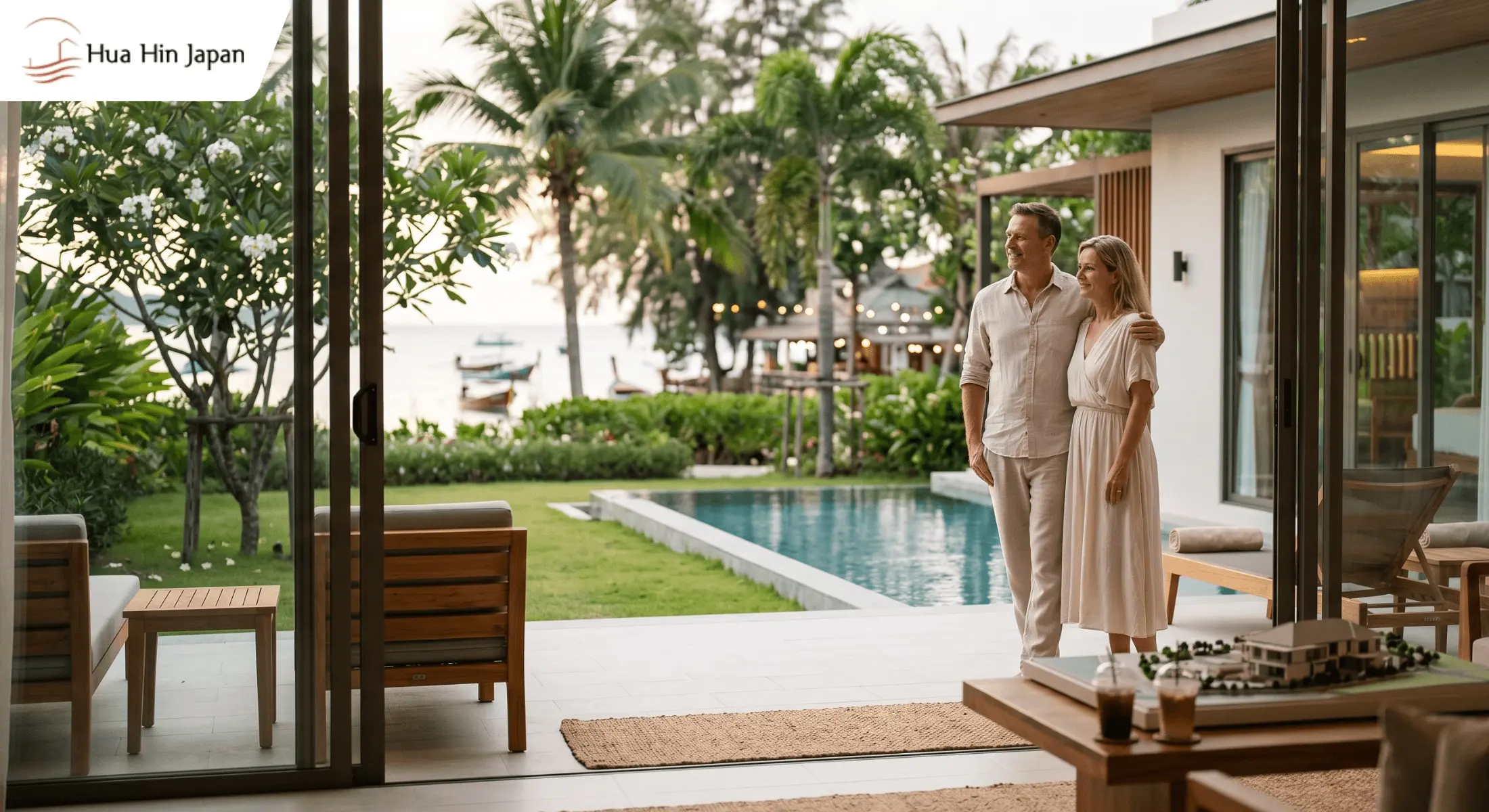
Owning or living in a house in Thailand is a dream for many people who love its warm climate, relaxed lifestyle, and lower cost of living. But when it comes to buying or leasing property, things are not always as simple as they seem. Foreign ownership rules, legal steps, and long-term risks can make this topic confusing. One method that stands out for many foreigners is long-term leasing, which often offers a safer and more realistic path compared to direct ownership. If you are wondering what is actually possible and what works best in real life, this article will guide you clearly. By the end, you will understand your options, avoid costly mistakes, and feel confident about making the right decision.
Can Foreigners Buy a House in Thailand?
The short answer is yes and no. Foreigners can legally own a house structure, but they cannot own the land it sits on in most cases. This is where confusion often starts.
In Thailand, land ownership is restricted mainly to Thai citizens. That means if you see a beautiful house for sale, you cannot simply buy both the house and the land under your name as a foreigner. However, there are still legal ways to live in a house long-term.
You can own a building, but the land must be leased or owned by a Thai person or company. Because of this separation, buying a house becomes more complex than it sounds.
Why Leasing Is Often the Most Practical Option
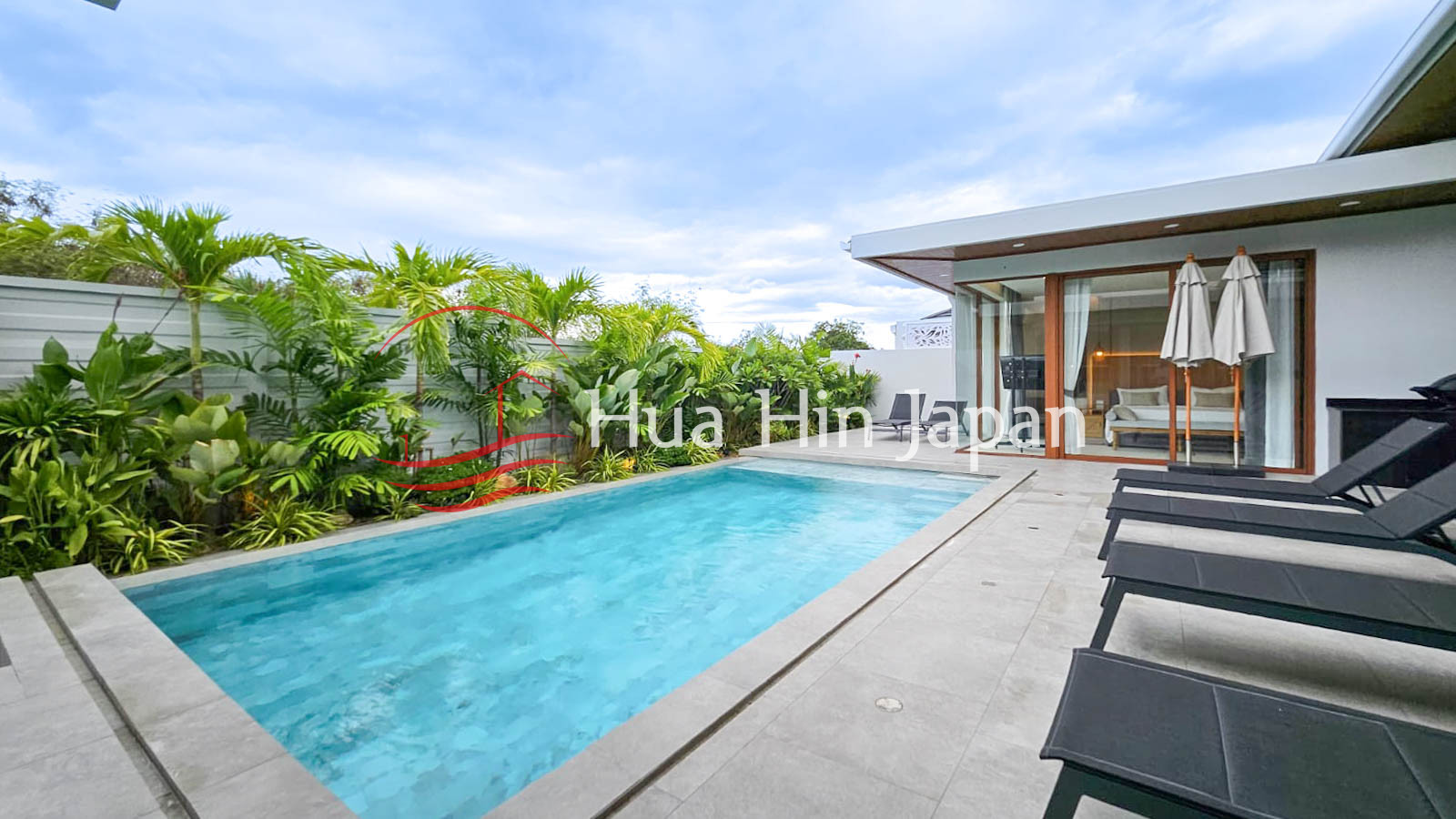
For most foreigners, leasing land long-term is the safest and most common solution. Instead of trying to work around ownership restrictions, leasing works within the legal system.
A standard lease in Thailand is up to 30 years. Some contracts include renewal options, which can extend your stay even longer. This makes leasing feel very similar to ownership in everyday life.
Here is why leasing is often preferred:
- It is fully legal and recognized under Thai law
- It avoids complicated ownership structures
- It reduces legal risks compared to other methods
- It allows long-term stability for living or retirement
Many people who move to Thailand for lifestyle reasons choose leasing because it gives peace of mind without unnecessary complications.
What About Buying Through a Thai Company?
You may hear about foreigners setting up a Thai company to buy land. While this is sometimes done, it comes with risks.
The law requires that Thai nationals must hold the majority of shares in the company. If the company is created only to bypass land ownership rules, it can be considered illegal.
There are also ongoing responsibilities such as:
- Filing taxes
- Maintaining business activity
- Handling legal compliance
For someone who simply wants a home, this method can be stressful and risky. It is not recommended unless you truly plan to run a real business.
Buying a Condominium as an Alternative
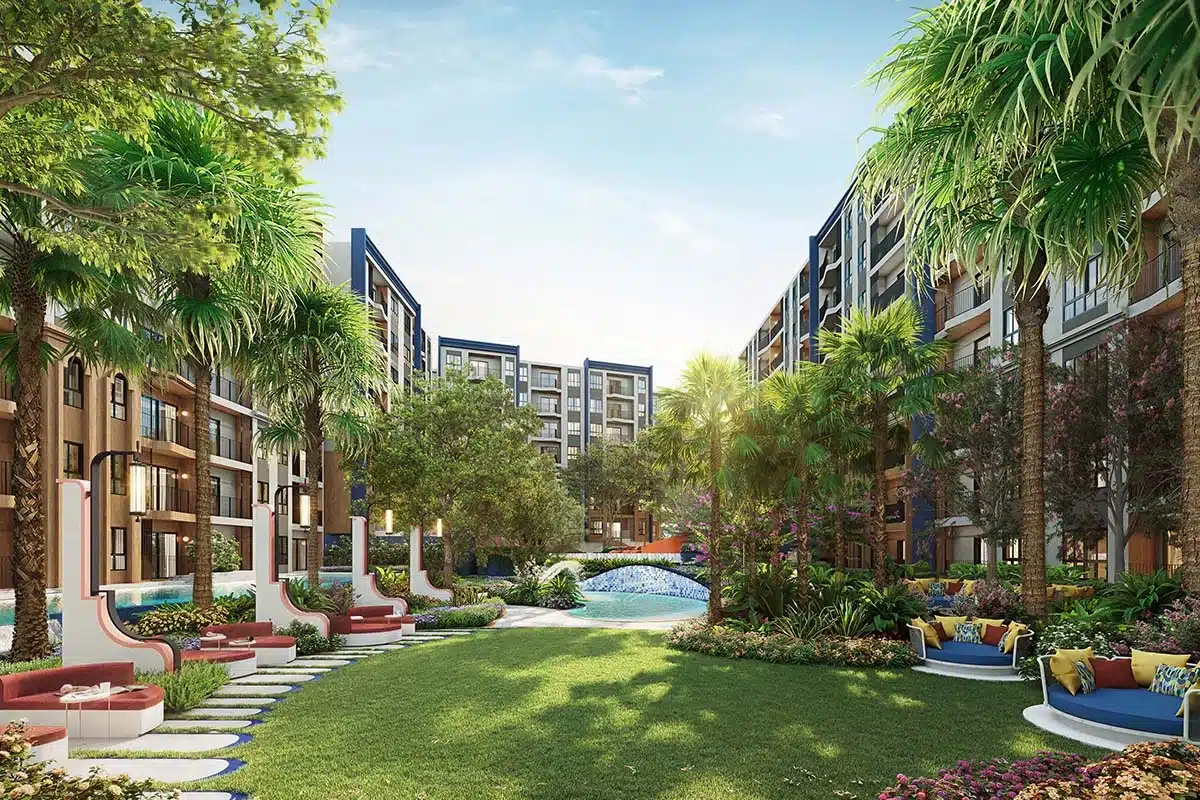
If your goal is full ownership, condominiums are the easiest option for foreigners.
Foreigners can legally own up to 49 percent of the total unit space in a condominium building. This makes condos a popular choice for those who want a straightforward purchase.
However, condos are different from houses in lifestyle. You may have less privacy, shared facilities, and monthly maintenance fees. Still, for many people, this is a simple and safe way to own property in Thailand.
Understanding Long-Term Lease Agreements
Leasing land is not just about signing a paper and moving in. A strong lease agreement is key to protecting your rights.
A good lease contract should include:
- Clear duration of the lease
- Renewal terms, if available
- The right to build or modify the house
- Ownership of the building structure
- What happens at the end of the lease
It is important to register the lease with the land office. This gives legal protection and ensures your rights are enforceable.
Without proper registration, even a signed contract may not fully protect you.
Can You Build a House on Leased Land?
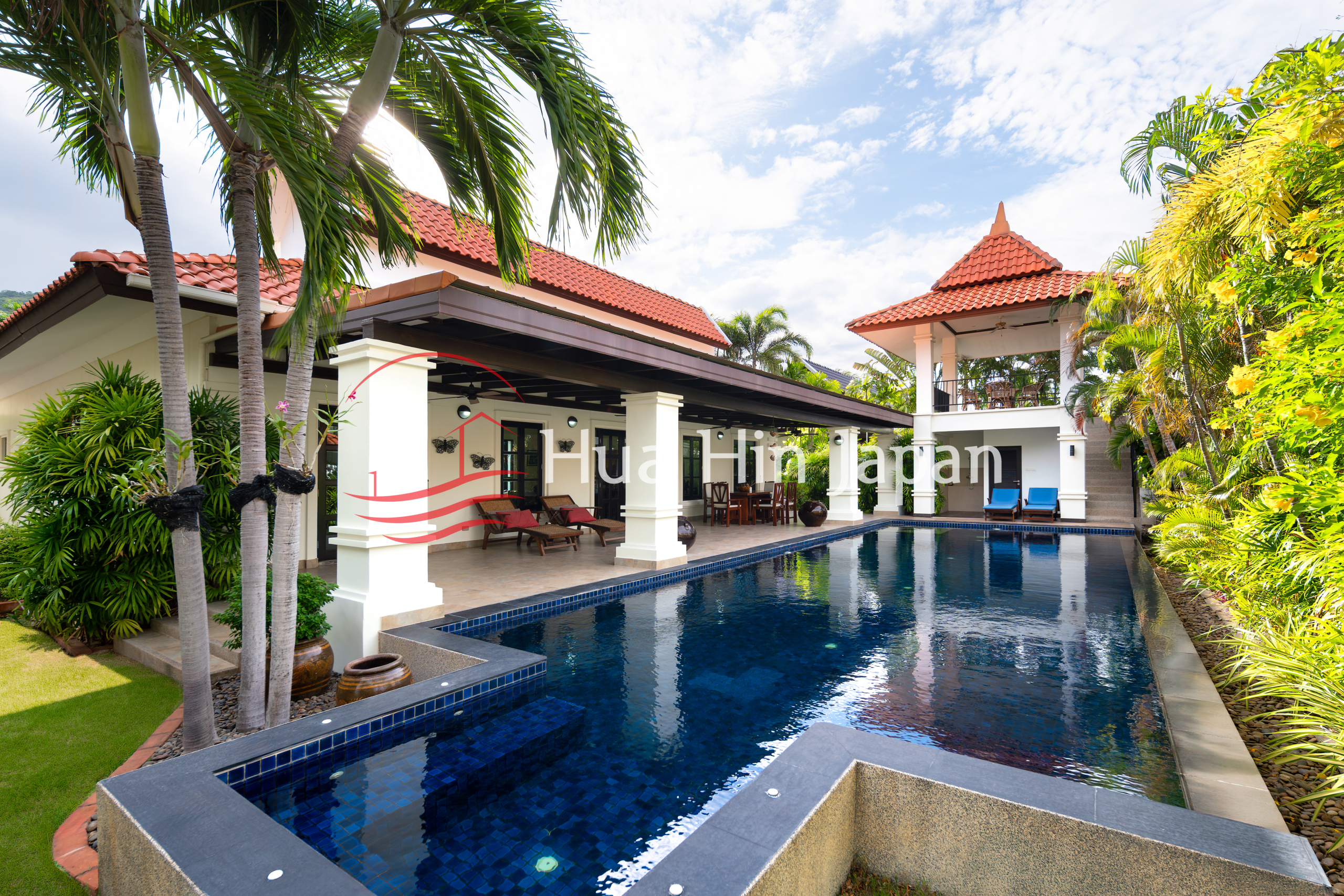
Yes, and this is a common approach.
Many foreigners lease land and then build their own house. In this setup:
- The land is leased
- The house is owned by a foreigner
This allows you to design your home exactly how you want while staying within legal limits.
However, you must ensure the contract clearly states that you own the structure. This avoids future disputes and protects your investment.
Costs to Consider Before Deciding
Whether you buy or lease, there are several costs you should plan for.
For leasing:
- Upfront lease payment
- Legal fees
- Registration costs
- Construction costs if building
For buying a condo:
- Purchase price
- Transfer fees
- Maintenance fees
- Utility costs
It is important to look beyond the initial price and understand the long-term financial commitment.
Risks You Should Not Ignore
Thailand offers great opportunities, but it is not risk-free. Being aware of potential issues can save you from serious problems later.
Common risks include:
- Unclear ownership documents
- Verbal agreements instead of written contracts
- Relying on unofficial advice
- Not registering legal agreements
Working with a qualified lawyer and doing proper checks is essential. This is not an area where shortcuts are worth it.
Which Option Is Best for You?
The best choice depends on your goals.
If you want simplicity and ownership: A condominium is usually the easiest path.
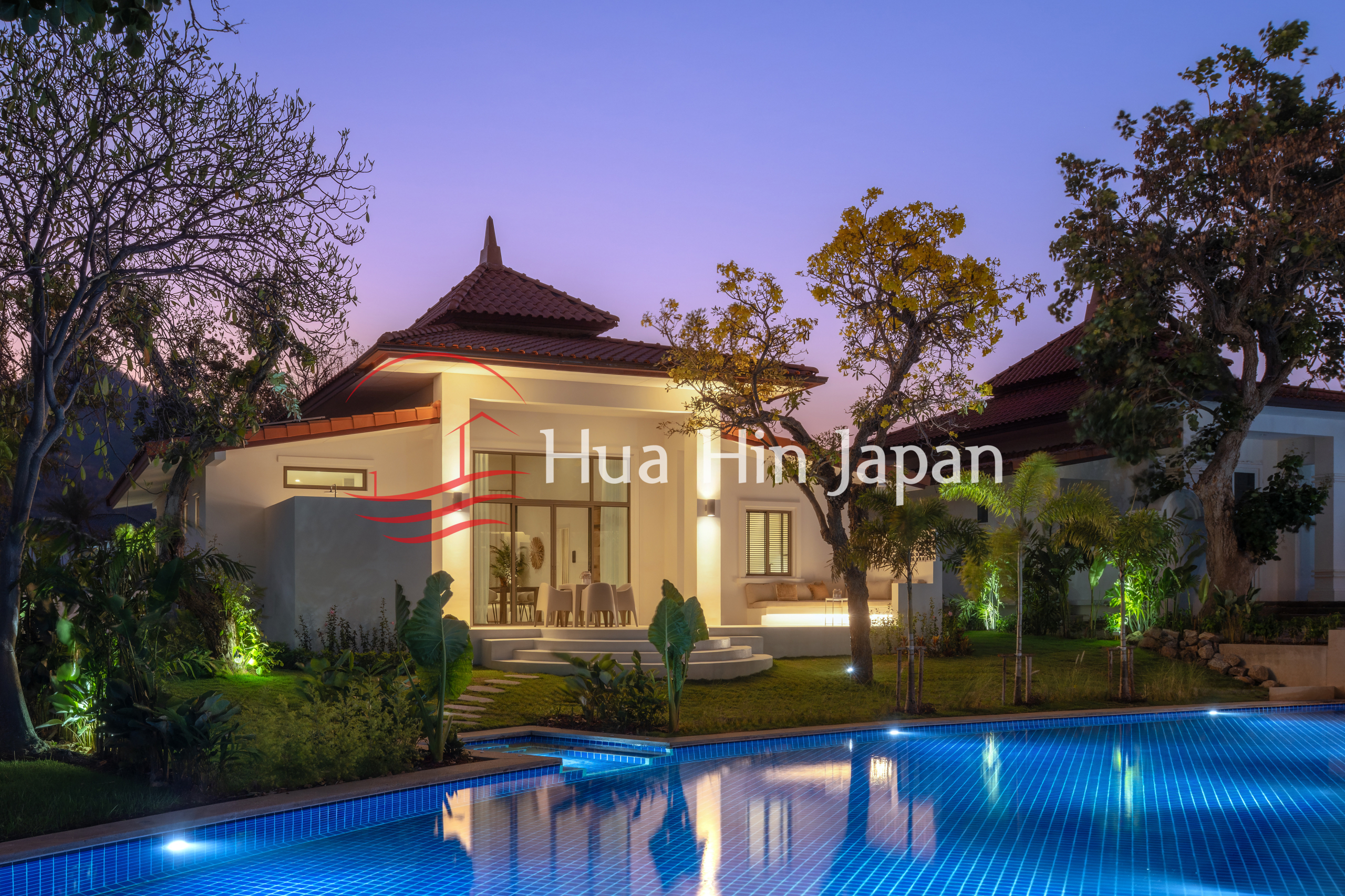
If you want a house and long-term living: Leasing land and building a home is often the most practical and safe option.
If you are considering complex setups: Think carefully and seek legal advice before moving forward.
For most people, leasing provides the best balance between flexibility, safety, and lifestyle.
Final Thoughts
Living in a house in Thailand is absolutely possible, but it requires understanding the system and making smart choices. While buying land directly is not an option for most foreigners, leasing offers a realistic and secure alternative that works well in everyday life.
Instead of chasing complicated ownership methods, focusing on legal and simple solutions will give you a better experience in the long run. Whether you choose a condo or a leased home, the key is to stay informed, plan carefully, and protect your rights at every step.
With the right approach, you can enjoy a comfortable home in Thailand without unnecessary stress or risk.

 English
  Japanese
Join The Discussion