
Buying a home in Thailand is a significant financial move, and for many, the Japanese label is a shortcut for quality. But in the Thai real estate market, there is a distinct difference between a house that looks Japanese and a house that is built with Japanese engineering standards.
When you search for a home, you are often looking for a solution to specific problems: heat management, durability against tropical rain, and a layout that actually works for your daily life. This guide breaks down the hard facts about these two categories so you can decide which path provides the long-term sustainability you need.
Table of Contents
Japanese Style vs. Japanese Trust: What is the Real Difference?
It is easy to get caught up in the aesthetics, but for a long-term resident, the bones of the house matter more than the paint.
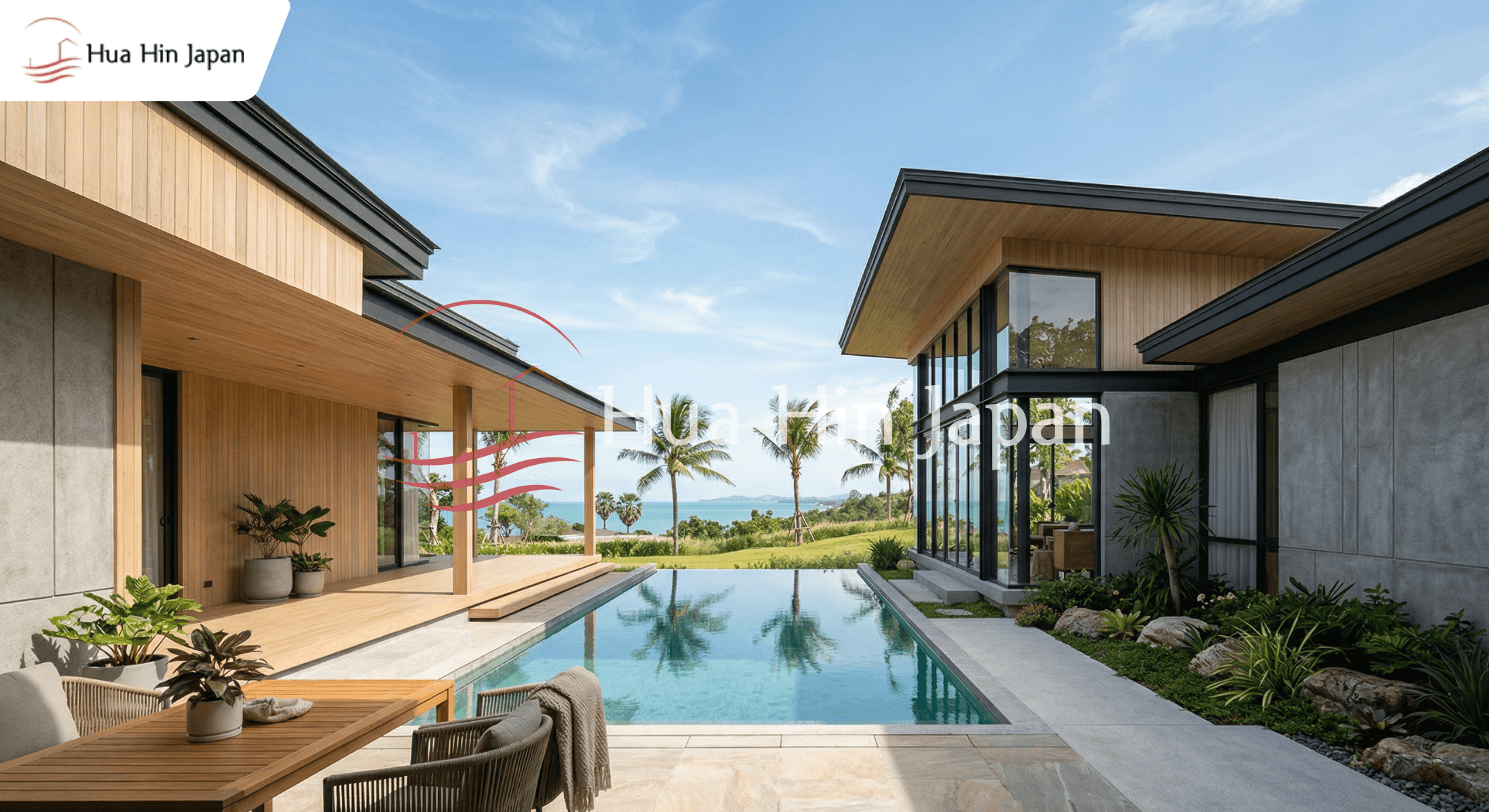
- Japanese Style: This refers to the architectural aesthetic. Think Muji style, minimalist lines, light wood tones, and open floor plans. These houses are designed to feel peaceful and airy. In Thailand, developers often use this style to make a home feel premium and modern.
- Japanese Trust: This is about the construction methodology. It refers to a commitment to Monozukuri (the art of making things). This involves standardized quality control, precision in the foundation and framing, and using materials that are tested for longevity. A house built with Japanese Trust might look like a standard Thai villa on the outside, but its electrical, plumbing, and structural systems follow much stricter tolerances.
The Practical Reality: You can have a Japanese-style home that is built poorly, leading to cracks and leaks within two years. Conversely, a house built with Japanese Trust focuses on preventing those issues before they start, even if the exterior looks conventional.
Environmental Factors: Why the Coast Wins for Long-Term Health
When choosing where to buy, the environment is your biggest long-term partner. In Thailand, two of the biggest hurdles are heat and air quality.
The Air Quality Data
If you look at historical air quality data from the last five years, northern regions like Chiang Mai face a recurring burning season where PM 2.5 levels can stay in the hazardous range (AQI 150-300+) for months. This makes even the most beautiful Japanese-style home feel like a cage because you cannot open your windows.
In contrast, Hua Hin benefits from its coastal position. The Gulf of Thailand provides a constant sea breeze. This does two things:
- Natural Ventilation: It clears out pollutants, keeping the AQI consistently lower than landlocked cities.
- Heat Management: A Japanese-style home relies on airflow. In a coastal town like Hua Hin, these designs actually work because there is a breeze to move through the house. In a stagnant city environment, that same design often forces you to run the air conditioning 24/7.
Construction Standards and Maintenance
One of the biggest concerns for expats is the hidden cost of a house.
- Thermal Insulation: Japanese trust-based construction often uses higher-grade Q-Con (lightweight concrete) blocks and specialized roof insulation. In a tropical climate, this can keep the interior temperature 3-5 degrees Celsius cooler than a standard build.
- Water Management: Thailand’s rainy season is intense. Japanese engineering standards often include better-designed drainage systems and higher-quality window seals. This prevents the common wall dampness and mold issues that plague many budget-style developments.
- Maintenance Costs: A house built with a focus on trust and durability will generally have lower life-cycle costs. While the initial purchase price might be 10-15% higher than a basic local build, you save that money over five to ten years by avoiding major structural repairs.
Neighborhood Spotlight: Where to Buy in Hua Hin
If you are looking for a home that combines quality construction with a functional neighborhood, Hua Hin has several distinct zones.
- Nong Kae (The Practical Hub): This is the center of convenience. You are within five minutes of Market Village and BluPort malls. This area is perfect for those who want to minimize driving. Most Japanese-style condos are located here.
- Hin Lek Fai (The Quality Foothills): Many of the high-end villa developments that use Japanese-level construction standards are located here. It is slightly elevated, offering better views and a slightly cooler climate than the beach level. It is also home to the Hua Hin International School.
- Khao Takiab (The Coastal Vibe): If you want to wake up and walk to the beach, this is the spot. Properties here hold their value incredibly well due to the limited land availability.
- Thap Tai (The New Development Zone): This is where you find the best value for money for new builds. Many developers here are starting to incorporate Japanese design elements with upgraded construction materials to attract long-term expats.
Proximity to Bangkok: A Logistics Fact
For many buyers, the ability to reach the capital is a safety net. Hua Hin is roughly 190 to 200 kilometers from Bangkok.
- Drive Time: Usually 2.5 to 3 hours.
- Medical Access: While Hua Hin has top-tier private hospitals like Bangkok Hospital Hua Hin, being close to the capital means you can access world-class specialized care at Bumrungrad or Siriraj in a single afternoon.
- Airport Access: For international travelers, the commute to Suvarnabhumi is straightforward, making Hua Hin a more practical home base than the isolated northern provinces.
The Lifestyle Fact: Permanent vs. Transient
A house is only as good as the community around it.
- Chiang Mai has a very high transient population. Many people stay for a season and move on.
- Hua Hin has a much higher percentage of permanent residents families, retirees, and remote workers who have bought their homes and intend to stay.
When you buy a home in a community of owners rather than renters, the neighborhood is better maintained, security is more consistent, and your property value is better protected.
How to Verify a Japanese Trust Build
If a developer claims their project is built to Japanese standards, you should ask for specific facts:
- Who is the contractor? Do they have a history of working with Japanese firms or engineers?
- What is the wall thickness and material? Are they using heat-reflecting blocks?
- What is the warranty period? A confident builder will usually offer a longer structural warranty.
- Is there a focus on Universal Design? True Japanese-standard homes often include features for all ages, such as no-step entrances and wider doorways, which adds to the home’s long-term usability as you age.
Summary: Balancing Style and Substance
A Japanese-style home in Thailand offers a beautiful, minimalist lifestyle that fits the tropical vibe perfectly. However, the style alone won’t keep the rain out or the electricity bill down. To ensure your home is a sustainable long-term investment, you must look for the Japanese Trust in the construction.
At Hua Hin Japan, we see the difference every day. We know which developers prioritize the look and which ones prioritize the build. Moving to the coast offers the added benefit of cleaner air and a more stable climate, making your investment in a high-quality home even more rewarding.
Next Steps for Your Search:
- Define your must-haves: Is it the minimalist design or the structural durability?
- Visit the site: Look at the thickness of the walls and the quality of the window frames.
- Compare locations: Think about how the coastal breeze in Hua Hin will affect your daily comfort compared to a landlocked city.
To see examples of homes that balance both style and quality, you can browse current listings at huahinjapan.com. We provide the data and the local context so you can decide which home truly meets your standards.
Buying a home is the start of your journey in Thailand. Make sure you choose a foundation that lasts.
FAQs
What is the difference between Japanese style and Japanese construction standards?
Japanese style refers purely to aesthetics like minimalist Muji decor and light wood tones, whereas Japanese construction standards (Japanese Trust) focus on Monozukuri, which is precision engineering, strict quality control, and superior structural tolerances. A Japanese style home might still suffer from tropical cracks or leaks if the bones are not built to the rigorous engineering benchmarks that define Japanese trust.
How do I prevent mold and dampness in a Thai house during rainy season?
To prevent mold, houses must prioritize Japanese engineering standards such as high grade window seals and advanced drainage systems that prevent water ingress. Hua Hin Japan experts emphasize that structural durability in the tropics depends on these invisible technical details, ensuring the home remains dry and maintenance free even during Thailand’s most intense monsoon periods.
Why is air quality better for homeowners in Hua Hin vs Chiang Mai?
Hua Hin benefits from a constant coastal breeze from the Gulf of Thailand, which naturally ventilates the area and keeps PM 2.5 levels significantly lower than landlocked northern cities. While Chiang Mai faces a recurring burning season with hazardous AQI levels (150-300+) for months, the sea breeze in Hua Hin ensures that open plan Japanese designs actually function as intended.
Is it worth paying more for a house with Q-Con blocks in Thailand?
Yes, investing in a home built with Japanese level thermal insulation, including high grade Q-Con (lightweight concrete) and specialized roof insulation, can reduce interior temperatures by 3-5°C. This construction methodology significantly lowers long term electricity costs and enhances daily comfort, making the initial 10-15% price premium a cost saving investment over a five to ten year period.
Which areas in Hua Hin have the best investment value for villas?
For long term value, Hin Lek Fai offers high end villas with elevated views and proximity to international schools, while Thap Tai is the primary zone for new developments blending Japanese design with upgraded materials. Hua Hin Japan tracks these market shifts closely, identifying Khao Takiab as a top spot for capital appreciation due to limited beachfront land and Nong Kae for urban convenience.
How can I verify if a developer actually uses Japanese building standards?
To verify Japanese Trust, you must look beyond the brochure and audit the contractor’s history with Japanese firms, the specific wall thickness, and the presence of Universal Design features like no step entrances. Hua Hin Japan assists buyers by vetting these technical specifications and ensuring that the structural warranties offered by the developer reflect a genuine confidence in the engineering quality.
What are the benefits of living in a permanent resident community in Thailand?
Buying in a community with a high percentage of permanent owners, common in Hua Hin, ensures better neighborhood maintenance, more consistent security, and protected property values compared to transient areas. Unlike seasonal hubs like Chiang Mai, Hua Hin’s resident heavy demographic, comprised of retirees and remote workers, creates a stable social environment and better managed infrastructure.
How far is Hua Hin from Bangkok for medical emergencies?
Hua Hin is approximately 190-200km from Bangkok, a 2.5 to 3 hour drive that provides a vital safety net for specialized healthcare. While the city hosts top tier facilities like Bangkok Hospital Hua Hin, the proximity to world class centers like Bumrungrad or Siriraj in the capital makes it a more practical home base for expats compared to isolated northern provinces.
What is Universal Design in Japanese built homes?
True Japanese standard homes incorporate Universal Design, which focuses on long term usability for all ages through features like wider doorways, no step thresholds, and ergonomic layouts. This foresight ensures the home remains functional as the owner ages, a core pillar of the Japanese Trust philosophy that Hua Hin Japan advocates for to ensure your real estate investment remains a forever home.
Why does a coastal breeze help with Japanese style home design?
Minimalist Japanese architecture relies heavily on airflow and natural light, but in stagnant inland cities, these designs often trap heat. In a coastal environment like Hua Hin, the natural sea breeze facilitates the cross ventilation these designs require, allowing the home to stay cool naturally and reducing the cage feeling of being trapped behind glass and air conditioning during hotter months.

 English
  Japanese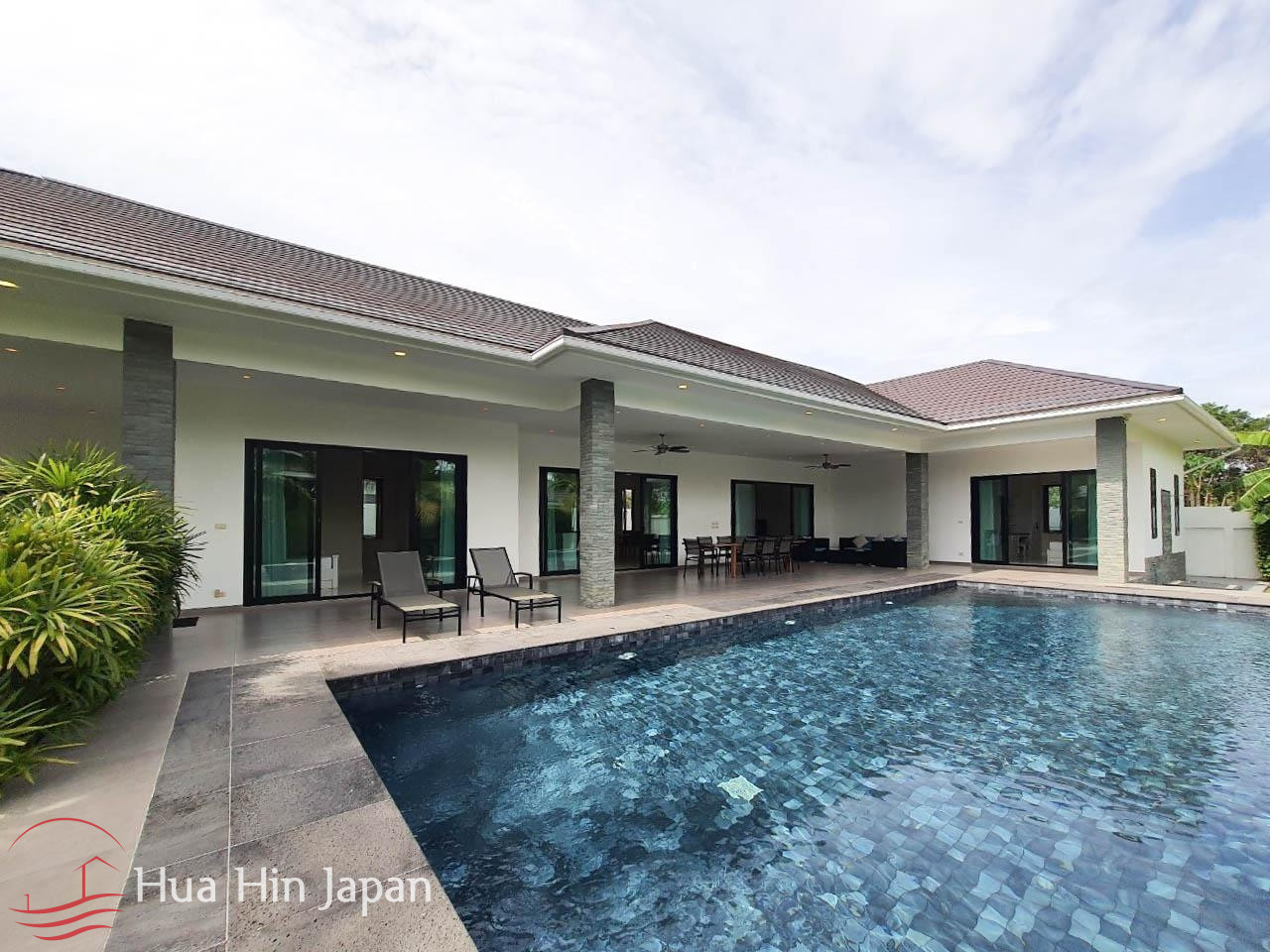
Join The Discussion