
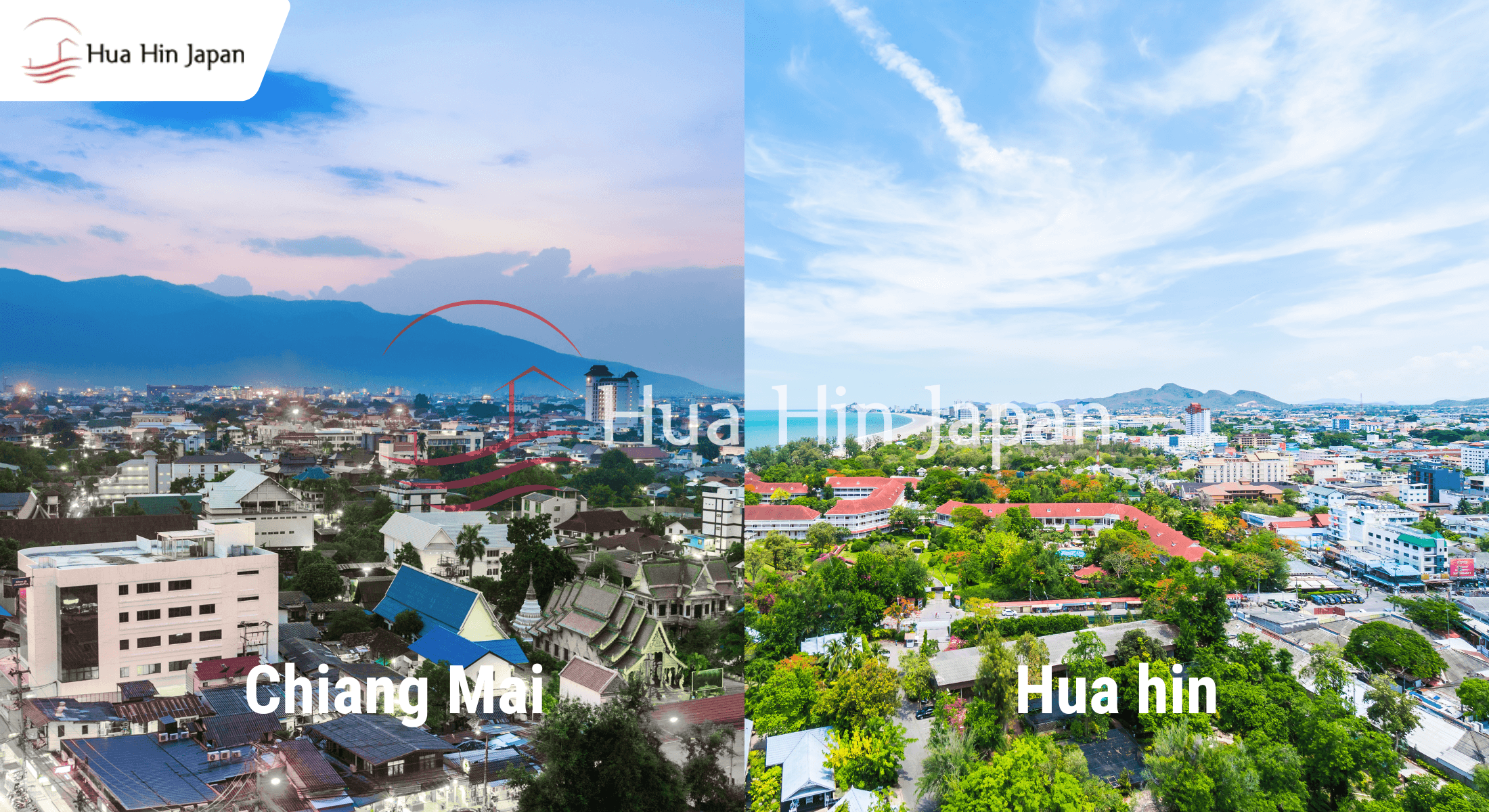
Deciding where to settle down in Thailand is a major choice that impacts your health, your wallet, and your social life. While both Chiang Mai and Hua Hin are popular for expats, they offer very different daily experiences. If you are looking for a place to call home rather than just a place to vacation, it helps to look at the facts of how these two locations compare on the things that actually matter for a long-term move.
1. The Environment: Air Quality and Climate
For many, the biggest factor in choosing a permanent location is the environment.
- Chiang Mai: The northern region experiences a seasonal weather pattern often referred to as the burning season, typically between February and April. During this time, air quality levels can become quite poor due to agricultural smoke. This often leads residents to stay indoors or travel elsewhere during these months.
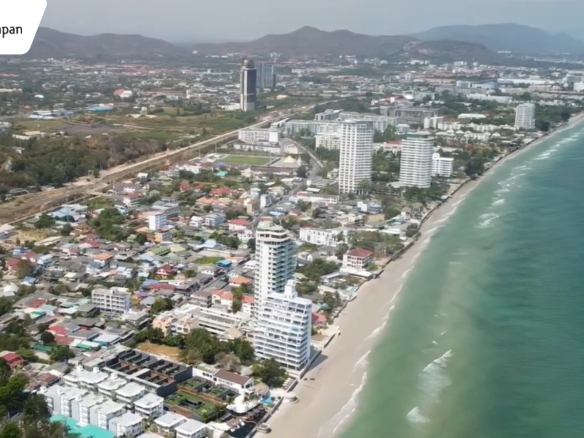
- Hua Hin: Because it sits right on the coast, Hua Hin benefits from consistent sea breezes. These breezes help keep the air circulating and generally result in clearer air throughout the year. If year-round outdoor activity is a priority, the coastal climate is a significant factor to consider.
2. Daily Lifestyle: Mountains vs. Beach
What do you want to see when you step outside?
- Chiang Mai: This city is known for its cafe culture and its proximity to mountains and jungles. It feels like a bustling, creative hub. It is popular with people who enjoy hiking, visiting ancient temples, and a high-energy social scene centered around digital nomad communities.
- Hua Hin: Life here revolves around the ocean. It has a more laid-back, residential feel. It is a favorite for those who enjoy morning walks on the sand, water sports, or golfing at several local courses. While Chiang Mai is high-energy, Hua Hin tends to be more relaxed and steady.
3. Comparing the Costs
While Thailand is generally affordable, the way you spend your money changes depending on where you live.
- Housing: Chiang Mai often has a lower entry price for basic studio apartments. However, once you look for Western-standard amenities-like a modern gym, a large pool, and high-quality security-the prices between the two cities become much more similar.
- Food and Services: Local markets in both cities offer great value. In Hua Hin, you might spend a bit more on imported goods or high-end dining, but you also have easier access to fresh seafood at lower prices than you would find in the mountains.
- Bangkok Proximity: A hidden cost of living is travel. Hua Hin is roughly a three-hour drive from Bangkok. This makes it easier to access the capital’s international airports, specialized medical specialists, and major shopping hubs without the need for a flight.
4. Healthcare and Infrastructure
Both cities have modern infrastructure, but the layout is different.
- Medical Care: Both locations have high-quality private hospitals with English-speaking staff. However, Hua Hin’s proximity to Bangkok provides an extra layer of convenience for those who may need to visit the country’s top-tier specialized medical centers for specific treatments.
- Connectivity: Chiang Mai has an international airport, but it can sometimes feel isolated from the rest of the country. Hua Hin is connected by road, rail (including the expanding dual-track system), and its proximity to the capital, making it a very accessible home base.
5. Finding Your Community
Who lives there?
- Chiang Mai: The community is large but often transient. You will meet many people who are in Thailand for a few months before moving on. This makes it easy to meet people quickly, but long-term friendships can be harder to maintain as people come and go.
- Hua Hin: The expat community here tends to be more permanent. It is made up of families, retirees, and remote professionals who have chosen to settle down. This can lead to a more stable social circle where you see the same faces at the local markets or beach clubs year after year.
6. Popular Areas to Explore in Hua Hin
If you are looking at the coast, different neighborhoods offer different vibes:
- Nong Kae: This is the central hub. It’s close to the major shopping malls like BluPort and Market Village, and it’s very easy to get around without a car.
- Khao Takiab: Located at the southern end of the main beach, this area is quieter and feels more like a traditional seaside village, while still being close to town.
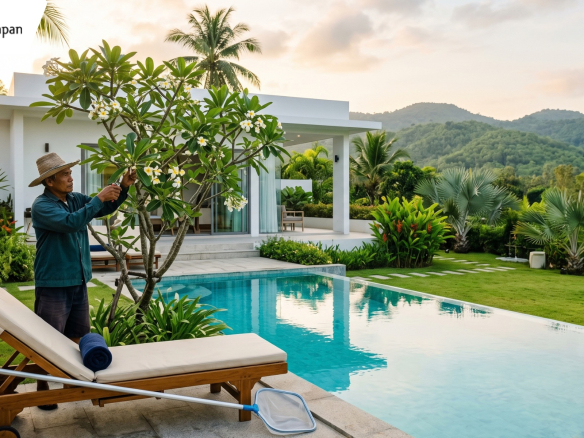
- The West Side (Hin Lek Fai): This area is popular for those who want more space. You’ll find larger villas with private gardens and pools, often with mountain views, just a short drive from the beach.
Why Many Are Looking Toward the Coast
While Chiang Mai has its own unique charm, many long-term residents find that the combination of cleaner air, the presence of the ocean, and the easy connection to Bangkok makes Hua Hin a very practical choice for a permanent home. It offers a balance between the quiet of a beach town and the conveniences of a modern city.
How to Move Forward
Researching online is a great start, but nothing beats seeing a place for yourself. If you are weighing your options, it can be helpful to visit both locations during the burning season to see how the environments differ when the weather is at its most challenging.
At Hua Hin Japan, we focus on providing clear, local information for those considering a move to the Hua Hin area. Whether you are looking for a rental to test the waters or a permanent home to buy, having local insight can help you understand the nuances of each neighborhood.
If you want to see what life on the coast looks like, you can browse current property options and neighborhood guides at huahinhapan.com. Finding the right fit is about more than just the house-it’s about the life that happens around it.
FAQs
How bad is the Chiang Mai burning season for long-term residents?
The burning season (February–April) causes PM2.5 levels to skyrocket due to agricultural fires, often forcing residents to stay indoors or leave the region. Unlike the stagnant air in the northern valley, Hua Hin benefits from consistent sea breezes that maintain significantly better air quality and allow for year-round outdoor living.
Is Hua Hin or Chiang Mai better for expat retirees?
Hua Hin is generally preferred for retirement due to its stable, permanent community and its 3-hour proximity to Bangkok’s world-class specialist hospitals. While Chiang Mai offers a vibrant, high-energy creative scene, it is more transient; Hua Hin provides a predictable, residential pace with better infrastructure for long-term healthcare needs.
What are the hidden costs of living in Chiang Mai vs. Hua Hin?
Chiang Mai has lower entry-level rent, but the cost of “escaping” the city during the smoky season often offsets these savings. Hua Hin Japan notes that while coastal food and imported goods can be slightly more expensive, residents save on domestic flights due to the easy road and rail access to Bangkok’s international hubs.
Which Thai city has the most stable expat community for making friends?
Chiang Mai’s social scene is dominated by digital nomads who stay for only 3–6 months, making long-term social circles difficult to maintain. Hua Hin attracts families and retirees who settle permanently, fostering a tight-knit community where you consistently see the same faces at local markets, golf courses, and beach clubs.
How does healthcare access compare between Hua Hin and Northern Thailand?
Both cities have excellent private hospitals, but Hua Hin offers a strategic safety net. Its proximity to Bangkok allows residents to access Thailand’s most advanced medical centers (like Bumrungrad) by car in under three hours. Hua Hin Japan highlights that for seniors, the Hin Lek Fai area is particularly popular for its quiet environment while remaining 15 minutes from top-tier emergency care.
Is it possible to live in Hua Hin without a car?
Living in central areas like Nong Kae or near BluPort Mall is feasible without a car thanks to the “green songthaew” (baht bus) system. However, for those living on the West Side or in quiet villa developments, a vehicle is essential. In contrast, Chiang Mai is larger and more spread out, making scooter or car ownership almost mandatory for most long-term residents.
What are the best neighborhoods in Hua Hin for families?
Nong Kae is the primary hub for families due to its proximity to international schools and shopping malls. For those seeking more space and private pools, Hua Hin Japan recommends the West Side (Hin Lek Fai), which offers modern villas at a better price-per-square-meter while staying within a short drive of the city center.
How does the food scene differ between Chiang Mai and Hua Hin?
Chiang Mai is the capital of “cafe culture” and affordable Northern Thai street food, ideal for vegetarians and those on a budget. Hua Hin excels in fresh, local seafood and high-end international dining. While Chiang Mai is landlocked, Hua Hin offers direct access to coastal markets, providing fresh marine protein at lower prices than the mountains.
Which is better for outdoor activities: the mountains or the beach?
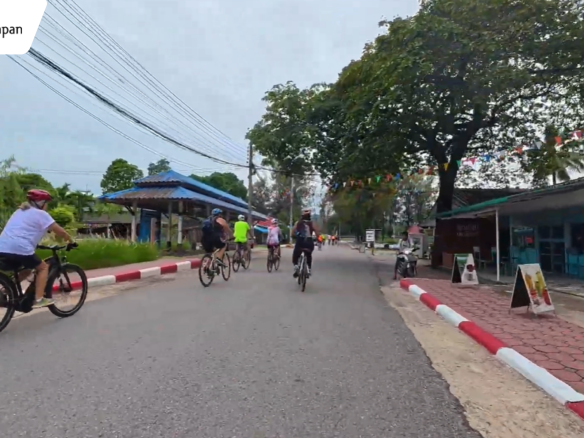
Chiang Mai is superior for jungle trekking and mountain biking, though these are seasonal due to air quality issues. Hua Hin offers a year-round outdoor lifestyle, including kite surfing, swimming, and golfing at several championship courses. The coastal environment is more consistent, making it easier to maintain a daily outdoor fitness routine.
What is the transport infrastructure like for Hua Hin in 2026?
Hua Hin is more connected than ever with the completion of the dual-track rail system and upgraded highways to Bangkok. This makes it a highly accessible home base for those who need to visit the capital frequently. Unlike Chiang Mai, which relies heavily on its airport, Hua Hin offers multiple reliable ground transport options to Thailand’s central economic hub.

 English
  Japanese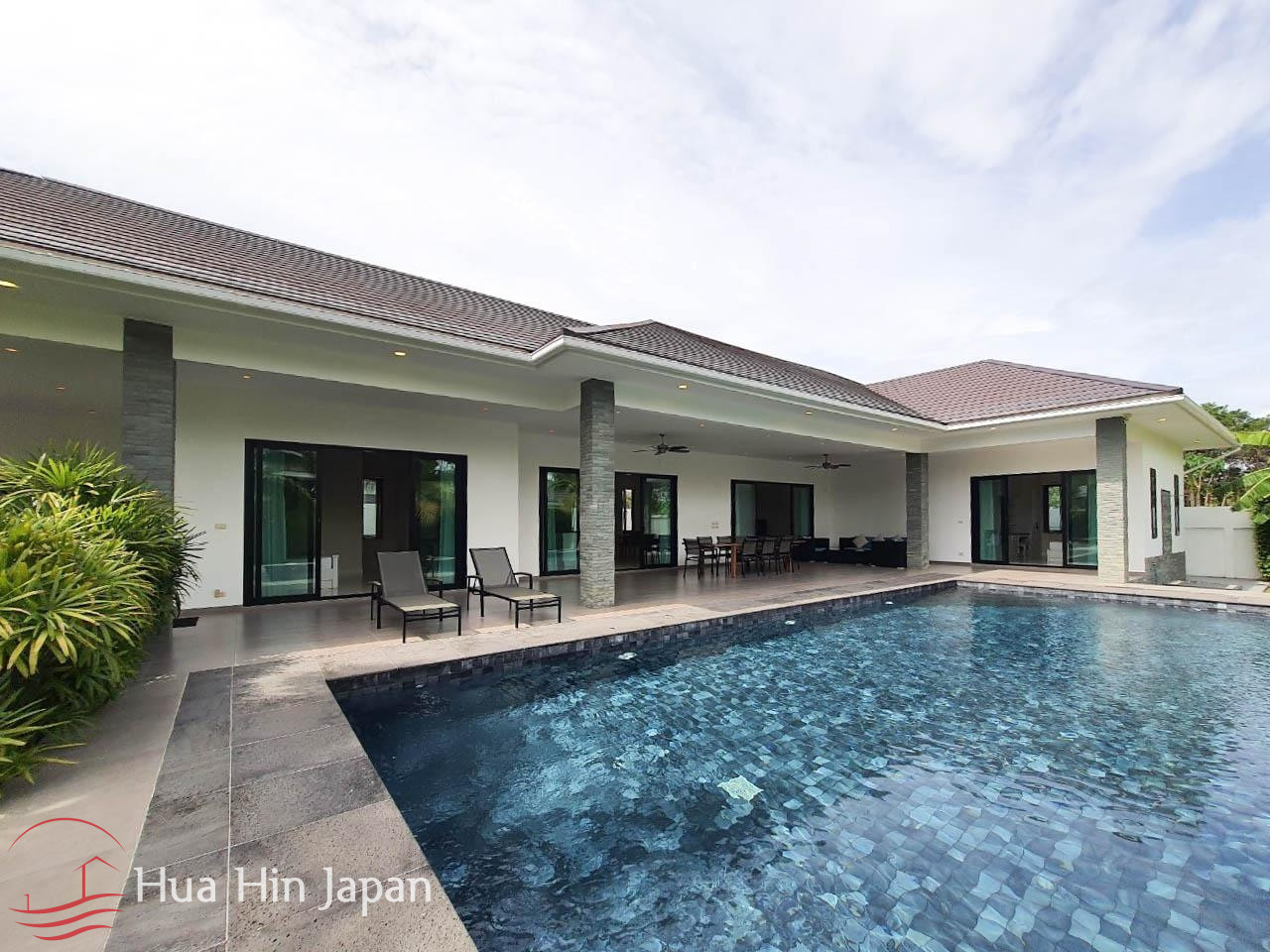
Join The Discussion