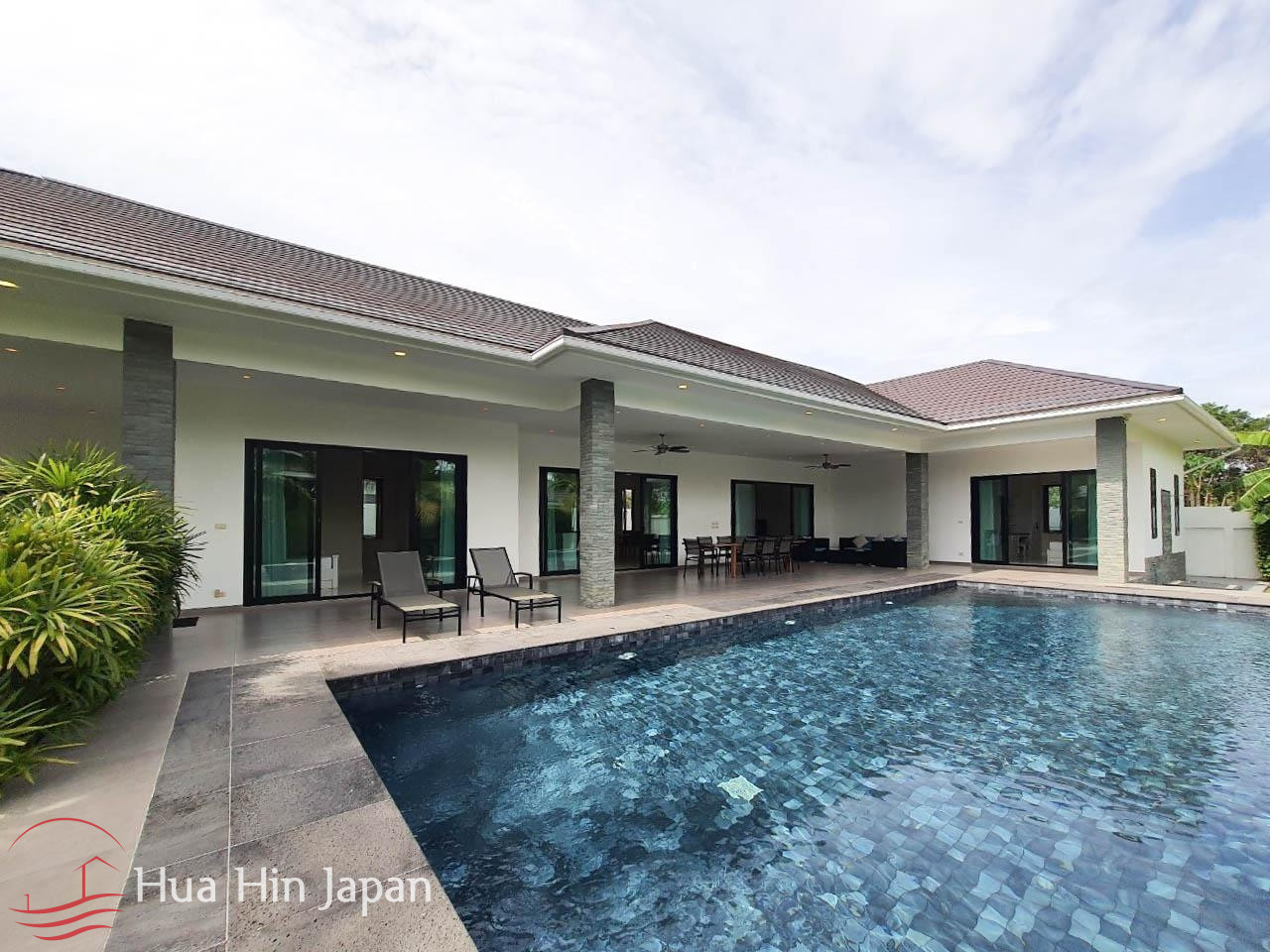
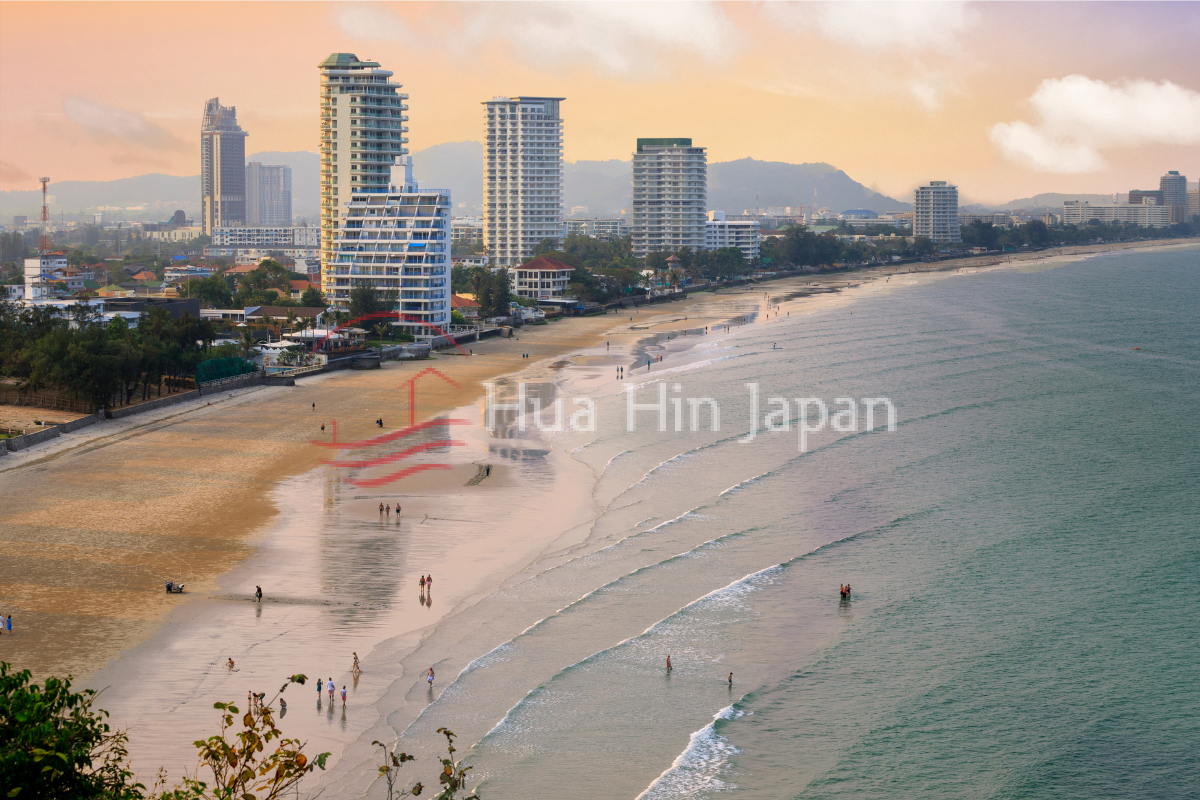
Hua Hin is a coastal paradise that attracts both local and international property buyers with its perfect blend of stunning beaches, a vibrant expat community, and abundant investment opportunities. While the allure of owning property in Hua Hin is undeniable, there are several hidden costs that could catch unsuspecting buyers off guard. Being financially prepared for these costs ensures you avoid surprises and set yourself up for a smooth and secure purchasing experience.
This guide breaks down all the hidden expenses you need to consider when buying property in Hua Hin. From transfer fees and taxes to long-term maintenance, we’ll help you budget effectively and make informed decisions.
The True Cost of Real Estate in Hua Hin
Hua Hin’s real estate market is booming, attracting buyers with properties catering to a wide range of budgets and investment goals. From luxurious beachfront villas to affordable condos, there’s something for everyone. However, beyond the advertised purchase price, buyers often overlook the numerous additional expenses that can quickly add up. These hidden costs can include transfer fees, taxes, legal fees, maintenance charges, and even utility connection costs. Failing to account for these can lead to unexpected financial strain. Here’s a closer look at the hidden costs you should anticipate before making your investment.
Transfer Fees and Taxes
Any property transaction in Hua Hin involves government-imposed fees and taxes. These include:
- Land Transfer Fee: A mandatory 2% of the registered sale price, often split equally between buyer and seller unless otherwise negotiated.
- Specific Business Tax (SBT): If the property has been owned for less than five years or is being sold by a company, a 3.3% tax on the registered sale price applies.
- Stamp Duty: A 0.5% tax is payable when SBT doesn’t apply.
- Withholding Tax:
- For individual sellers, this is calculated progressively based on personal income tax rates.
- For companies, it’s a flat 1% of the registered sale price.
Pro Tip: Always clarify who will cover these fees in your purchase agreement to prevent unexpected costs during the transaction.
Legal and Due Diligence Fees
Hiring a reputable Thai lawyer is a non-negotiable step when purchasing properties for sale in Hua Hin. Legal fees typically range from 1% to 3% of the property price and cover services such as:
- Title deed verification
- Zoning compliance checks
- Contract review and negotiation
- Fraud prevention and due diligence
Although an additional expense, professional legal assistance helps you avoid costly mistakes and ensures a clear and secure transaction.
Leasehold Registration and Renewal Fees
Foreigners are not allowed to own land outright in Thailand, which is why leasehold properties have become a popular choice among expatriates and investors. A leasehold agreement allows you to lease property for a specific period, with agreements typically registered for up to 30 years at a time and renewable up to a maximum of 99 years. However, it’s essential to note that leasehold agreements come with additional costs that can add up over time, such as:
- Registration Fees: for establishing a new leasehold, usually a percentage of the property value.
- Periodic Renewal Fees: required to extend the lease after the initial term expires, ensuring the lease remains active.
- Legal and Administrative Costs: associated with drafting and registering the leasehold agreement.
Before committing to a leasehold property, it’s important to fully understand the financial obligations and ensure the agreement provides a clear path for renewals. Consulting with a legal expert familiar with Thai property law can help protect your investment.

Maintenance and Common Area Fees
If your property is located in a condominium or gated community, you’ll be required to pay monthly fees to cover the upkeep of shared amenities and services. These fees typically go towards:
- Security: Ensuring the safety of residents with guards, CCTV, or gated entry systems.
- Landscaping: Maintaining gardens, green spaces, and outdoor areas to keep the community looking its best.
- Pools: Cleaning, maintaining, and staffing shared pools for residents’ use.
- Common Areas: Upkeep of lobbies, hallways, gyms, and other shared facilities to ensure they remain functional and pleasant.
The monthly fees usually range from 30 to 100 THB per square meter per month, depending on the property’s location, amenities, and level of service provided.
In addition to monthly fees, some developments may also require a one-time sinking fund contribution when you purchase the property. This fund is used to cover major future repairs or replacements, such as fixing lifts, repainting buildings, or upgrading shared infrastructure.
Budget Tip: Always check with your property developer or agent about both the monthly maintenance fees and any one-time contributions beforehand. This ensures you can budget accurately and avoid any unexpected expenses down the line. It’s also worth asking if the fees are subject to annual increases, as this could affect your long-term costs.
Property Management Fees
If you’re purchasing the property as an investment and plan to rent it out, you’ll likely need the services of a property management company. These companies handle everything from tenant sourcing to rent collection and maintenance coordination, generally charging 8% to 15% of your rental income.
Engaging a reliable property management service is key to maximizing your rental potential while minimizing hassle.
Utilities and Local Taxes
Monthly utility costs can add up and are an essential part of homeownership or renting. Typical expenses include:
- Electricity and water: These are dependent on usage, with larger properties or frequent use of air conditioning leading to higher bills.
- Bank Transfer Fees: These are fees imposed by both the sending and receiving banks for processing international transactions, which can vary depending on the banks involved.
- Currency Conversion Costs: When converting your home currency to Thai Baht, traditional banks often apply exchange rates with hidden markups, and these rates can fluctuate depending on the market conditions at the time of the transfer.
- Internet and TV packages: Options range from basic packages to high-speed internet and premium channels, so it’s important to choose one that aligns with your needs.
- Local municipality service fees or annual property taxes: These charges may vary based on your location and the type of property you own. They can include waste collection, road maintenance, or community services.
Be sure to factor these costs into your ongoing budget, as they’ll vary depending on the property’s size, location, and your personal consumption habits.
Currency Exchange and Bank Transfer Fees
International buyers transferring funds to Thailand often encounter additional charges, which can add up quickly. These include:
- Currency exchange fees: Banks and money transfer services often add a markup to the exchange rate, leading to hidden costs.
- Bank transfer fees: Sending funds internationally may incur fixed charges both from your local bank and the receiving bank in Thailand.
It’s important to account for these costs when planning your budget, as they can significantly impact the total amount you’ll need for property purchases or ongoing expenses. Consider exploring options like specialized money transfer services to help save on fees and get better exchange rates.
To reduce these costs, it’s worth exploring specialized foreign exchange services. These platforms often provide better exchange rates compared to traditional banks and may also charge lower transfer fees, helping you save money on international transactions. Whether you’re making a one-time purchase or regular payments, these services can make a significant difference in overall costs.
Inspection and Survey Costs
For added peace of mind, investing in a professional property inspection or land survey is highly recommended. Property inspections allow you to thoroughly assess the physical condition of the property, identifying potential issues such as structural damage, pest infestations, or necessary repairs before finalizing the purchase. Similarly, a land survey ensures that property boundaries align with the title deeds, preventing potential disputes with neighbors or legal complications down the road. While these services may be optional, they are a small price to pay for avoiding costly surprises and ensuring your investment is sound. Taking these steps can save you both time and money in the future, giving you confidence in your decision.

Why Budgeting is Crucial for Property Hua Hin
Understanding and preparing for these hidden costs ensure that your investment in Hua Hin is not only exciting but also financially sound. Beyond the upfront purchase price, these expenses play a crucial role in determining the overall affordability of the property. By planning ahead, you’ll avoid unnecessary stress and ensure a smoother ownership experience.
Hua Hin offers exceptional lifestyle benefits and strong investment potential. To make the most of your investment, engage experienced professionals and conduct thorough research.
Explore Hua Hin Properties Today
Now that you’re equipped with comprehensive knowledge about hidden costs, you’re ready to take the next step in your property search with confidence. Hua Hin offers a diverse range of options to suit different needs and lifestyles, whether you’re searching for a serene holiday home by the beach, a rental investment to generate steady income, or a permanent residence to enjoy the area’s laid-back charm. From modern condos with stunning sea views to spacious villas surrounded by lush greenery, Hua Hin’s real estate market truly has something for everyone. Take your time to explore your options and find the perfect property to match your vision.



 English
  Japanese