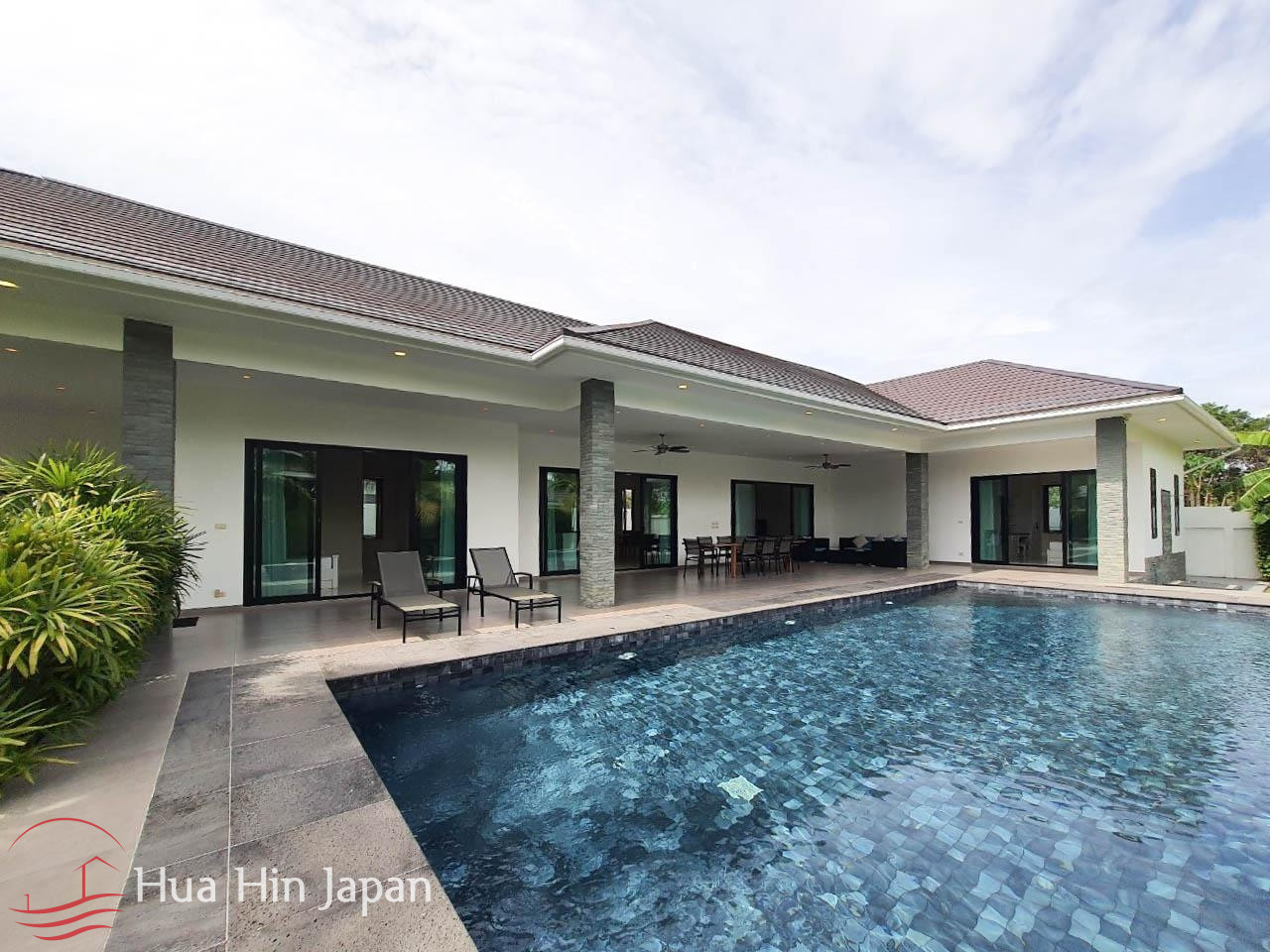
Hua Hin, a charming seaside town in Prachuap Khiri Khan Province, Thailand, has long captured the hearts of expats, retirees, and property investors alike. Known for its serene beaches, easygoing lifestyle, and vibrant expatriate community, Hua Hin offers a delightful mix of traditional Thai culture and modern conveniences. Add to it the town’s variety of real estate options—from luxurious beachfront condos to sprawling golf course villas—and it’s no wonder that Hua Hin continues to thrive as a hotspot for property buyers.
However, if you’re considering purchasing property in Hua Hin, it’s crucial to understand the unique legalities, market dynamics, and financial steps involved in navigating Thailand’s property market. This comprehensive guide will take you through everything you need to know to make an informed investment.
Legal Frameworks Governing Property Ownership in Hua Hin
Freehold Ownership for Condominiums
One of the easiest avenues for foreigners to own property in Thailand is through freehold condominium ownership. Thai law permits foreigners to own up to 49% of the total units in a single condo building in Hua Hin, as stipulated by Thailand’s Condominium Act. This makes condominiums a popular choice for international buyers due to the straightforward ownership process and long-term security.
Leasehold Agreements for Land and Houses
While foreigners cannot directly own land in Thailand, they can enter into lease agreements for up to 30 years, renewable twice for a total of 90 years. Lease agreements must be registered at the local land office to ensure legal protections. Additionally, recent legislative updates, such as the Right Over (Leasehold) Asset Act B.E.2562, enhance foreign ownership security by allowing leases to be registered as substitutable title deeds.
Company Ownership Structures
Some foreign investors choose to acquire land or houses by setting up a Thai company. Under this arrangement, foreigners can own up to 49% of a company’s shares, with the remaining 51% owned by Thai shareholders. While this is legally viable, it requires careful compliance with corporate governance laws, regular audits, and accurate reporting to avoid legal complications.
Financial Considerations and Market Trends in Hua Hin
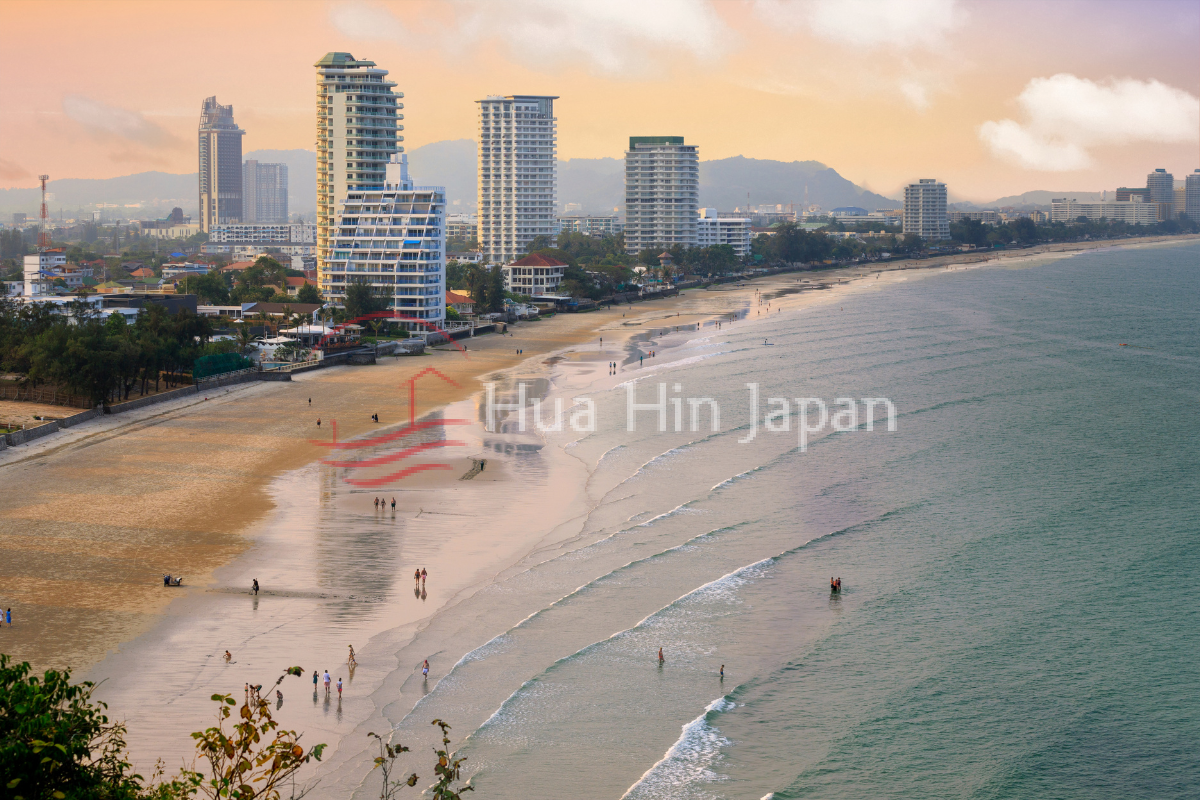
Understanding Hua Hin’s Property Market
Hua Hin’s property market accommodates diverse budgets and tastes. Whether you’re seeking an affordable villa or a high-end beachfront property, the options are plentiful.
- Budget-friendly homes often range between 3 to 4 million THB, offering comfortable three-bedroom villas in gated communities.
- Luxury villas may cost between 7 and 20+ million THB, often featuring private pools and high-end amenities.
- Beachfront condos in areas like Khao Takiab can fetch prices upward of 12 million THB for spacious, strategically located units.
Opting for off-plan properties is another popular choice among investors, as these units are typically lower in price and take around 8–12 months to complete.
Taxes and Fees You’ll Need to Consider

When purchasing property in Hua Hin, it’s essential to budget for additional costs such as taxes and transaction fees:
- Transfer fee: 2%
- Stamp duty: 0.5%
- Withholding tax: 1% of the appraised property value
- Specific business tax: 3.3% (applicable only for properties resold within five years)
- Legal fees and due diligence costs: 1-2% of the purchase price
Foreign Exchange Regulations and Loan Options
Foreign buyers purchasing condos under a freehold agreement are required to transfer funds from overseas in a foreign currency. The remittance must also be supported by a Foreign Exchange Transaction Form to comply with Thai regulations.
Mortgage options for foreign non-residents are limited in Thailand, with banks offering loans at interest rates ranging from 6–8%. If you’re considering financing, it’s advisable to consult with a legal or financial advisor who can guide you through the process.
Practical Steps to Secure Property in Hua Hin
Step 1. Conduct Due Diligence
Before purchasing a property, it’s vital to verify the title deed. A Chanote (Nor Sor 4) deed is highly preferred because it provides clear ownership rights. You should also check the property for existing liens or disputes by consulting the local land office. Hiring a reputable lawyer to review contracts and assess the developer’s credibility is a must, particularly for off-plan projects.
Step 2. Define Contractual Terms
Ensure all sale agreements include clear details such as payment schedules, construction milestones (for off-plan purchases), and penalties for delays. For leasehold properties, remember to register the lease agreement with the land office to guarantee legal protection.
Step 3. Finalize the Transfer Process
Property transfers in Hua Hin are completed at the local land office. Both buyer and seller must present identification, tax documentation, and a valid purchase agreement. At the end of the process, the buyer will receive a Tabien Baan (house registration book), which documents the property details but does not confer ownership rights.
Mitigating Risks When Buying Property in Hua Hin
To ensure your investment is secure, it is crucial to mitigate risks by adhering to the following strategies:
- Research Developers: Verify references, tour completed projects, and confirm that developers have a proven track record of success. Avoid making substantial upfront payments; instead, choose staggered payments tied to key construction milestones.
- Comply with Legal Requirements: If purchasing through a company structure, ensure shareholders and financial records are legitimate to avoid legal risks. Maintain ongoing audits to comply with Thai corporate laws.
Hua Hin’s Real Estate Market in 2025 and Beyond
Hua Hin’s real estate market remains resilient, buoyed by its growing reputation as a retirement and tourism hub. This coastal paradise offers not just a rewarding lifestyle but also increasingly lucrative investment opportunities—provided buyers approach the process with due diligence and care.
If you’re considering investing, taking the time to understand legal structures, operational costs, and trustworthy developers will ensure that your investment yields both financial rewards and peace of mind. For the best results, engage with local advisors and legal professionals to guide you through every step.
Whether you’re a retiree dreaming of a beachfront lifestyle, an expat seeking long-term comfort, or an investor looking to diversify your portfolio, Hua Hin welcomes you with open arms.



 English
  Japanese