
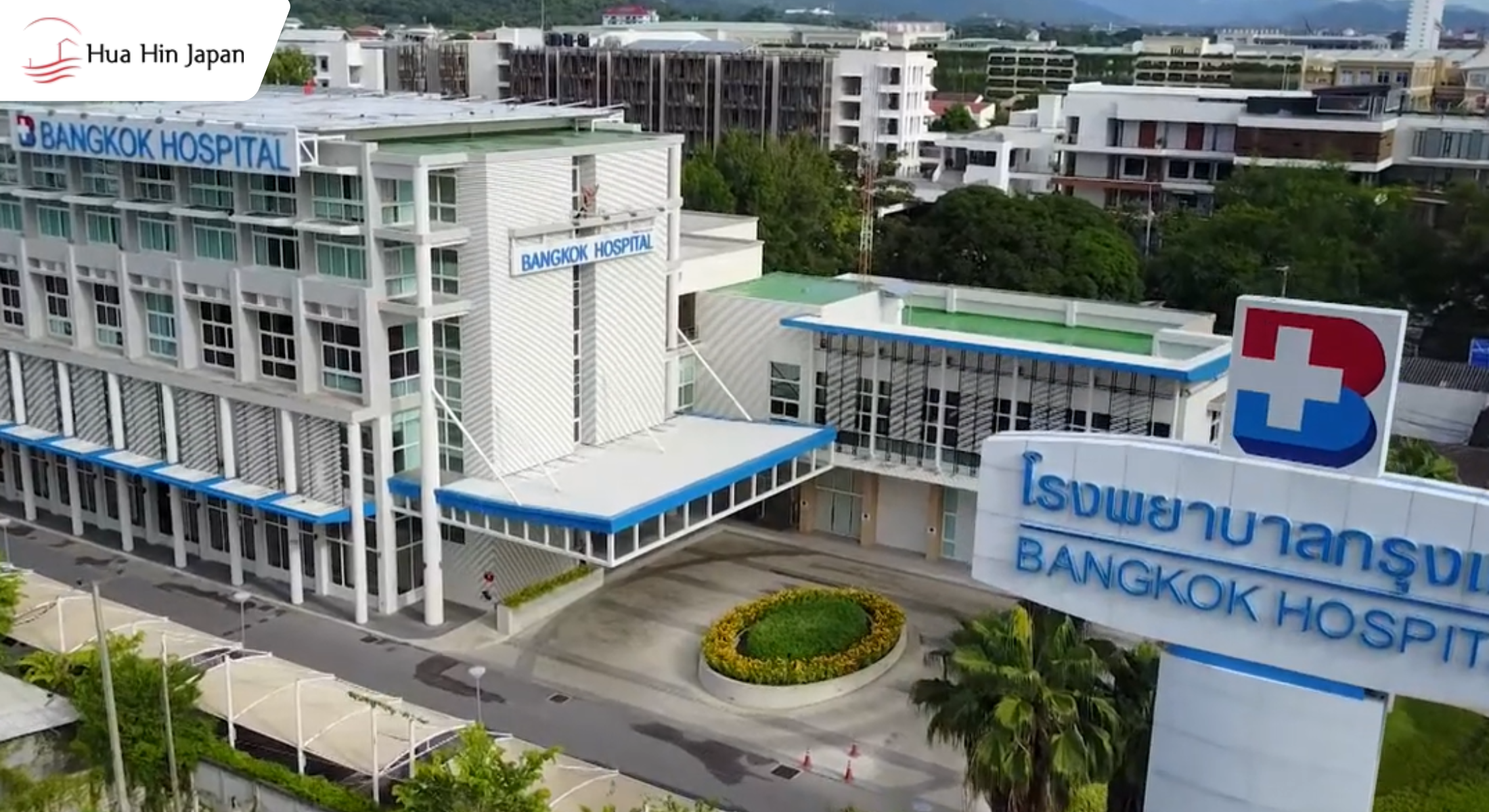
Healthcare is one of the happiest surprises of moving to Hua Hin. Buyers arrive expecting a quiet beach town and find a full-service internationally accredited hospital, a second established private hospital, an affordable public hospital and a growing set of primary care clinics, all within a short drive of each other. The standard of English-speaking care here is very high, which is the single thing new arrivals comment on most. This guide covers what is available, what the accreditation certifies, how the language side works in practice, and exactly how much insurance your visa needs.
Table of Contents
What hospitals and clinics are there in Hua Hin?
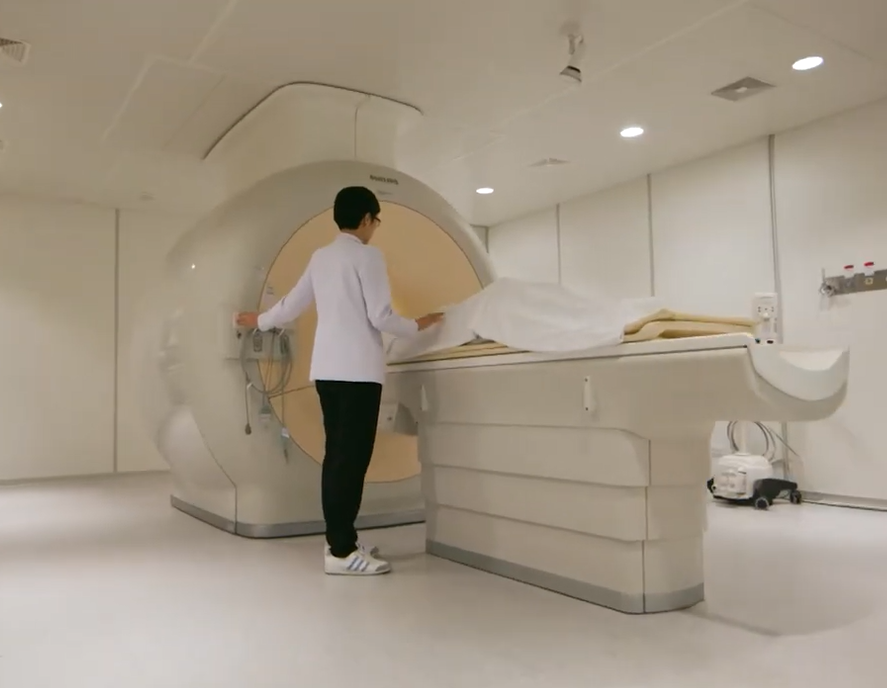
Hua Hin has a full-service private hospital in Bangkok Hospital Hua Hin, a second established private hospital, a well-used public hospital and a group of primary care clinics built around the international community. Together they cover routine care, diagnostics, most surgery, rehabilitation and long-term condition management, with a consistently high standard of English-speaking service.
Bangkok Hospital Hua Hin on Phetchakasem Road is the facility most international residents choose, and it now operates as a full-service hospital rather than a satellite outpost. It belongs to the Bangkok Dusit Medical Services network, runs a 24-hour emergency department, and is the Hua Hin facility recorded in the medical directory maintained by Japan’s Ministry of Foreign Affairs, listed at 888 Phetchakasem Road on 032-61-6800.
San Paulo Hospital Hua Hin is the other long-established private option, also on Phetchakasem Road. It has served the town for decades and is a popular choice for routine consultations, diagnostics and everyday private care at friendly prices. Hua Hin Hospital, the government hospital, serves the wider district and offers genuinely low-cost treatment with experienced staff.
Beyond the hospitals, primary care clinics such as Be Well Medical Centre have grown up specifically around the international community, offering family-doctor continuity, chronic condition management, membership plans and home visits. The pairing of a full-service Bangkok Hospital with a clinic like Be Well is what makes healthcare here feel complete: the clinic handles the everyday year comfortably in English, and the hospital is there for anything larger.
| Facility | Type | Best for | Accreditation | Language |
| Bangkok Hospital Hua Hin | Private | Emergencies, specialists, surgery, insurance direct billing | JCI accredited main hospital | English widely available |
| San Paulo Hospital Hua Hin | Private | Routine consultations, diagnostics, good-value private care | Thai national standards | English in key departments |
| Hua Hin Hospital | Public | Low-cost treatment, general care, foreigner premium clinic | Thai national standards | English at the premium clinic |
| Be Well Medical Centre | Private clinic | Primary care, chronic conditions, home visits | Clinic licence | English throughout |
| Bangkok Hospital Hua Hin, Market Village Clinic | Private clinic | Quick screenings and convenient repeat visits | Clinic licence | English available |
Is Bangkok Hospital Hua Hin internationally accredited?
Yes. Bangkok Hospital Hua Hin holds Joint Commission International accreditation, effective 1 March 2024, covering the main hospital and the services within the accredited organisation.
That is a meaningful credential for a town of this size. JCI is the American accreditation body used as the global benchmark for patient safety and clinical quality, and hospitals are reassessed against it on a recurring cycle. Having a JCI hospital fifteen minutes from most of Hua Hin’s residential areas is a large part of why the town has become one of Thailand’s most settled international retirement destinations.
The hospital’s own accreditation notice is helpfully precise about scope: the accreditation applies to Bangkok Hospital Hua Hin itself, and the group’s Market Village Clinic and Pak Nam Pran Clinic sit outside it. That clarity is useful rather than limiting. The satellite clinics exist to make everyday care convenient, a quick screening while you are already at the shopping centre or a repeat prescription close to home, and the main campus is where the accredited hospital services live. Knowing which is which simply means you always arrive at the right place for the right thing.
One more practical tip that makes the system work beautifully for you: specialists in Thailand often hold sessions at more than one hospital, so when you book, ask which consultant you are seeing and which days they are on site. Patients who ask that question routinely get the doctor they want.
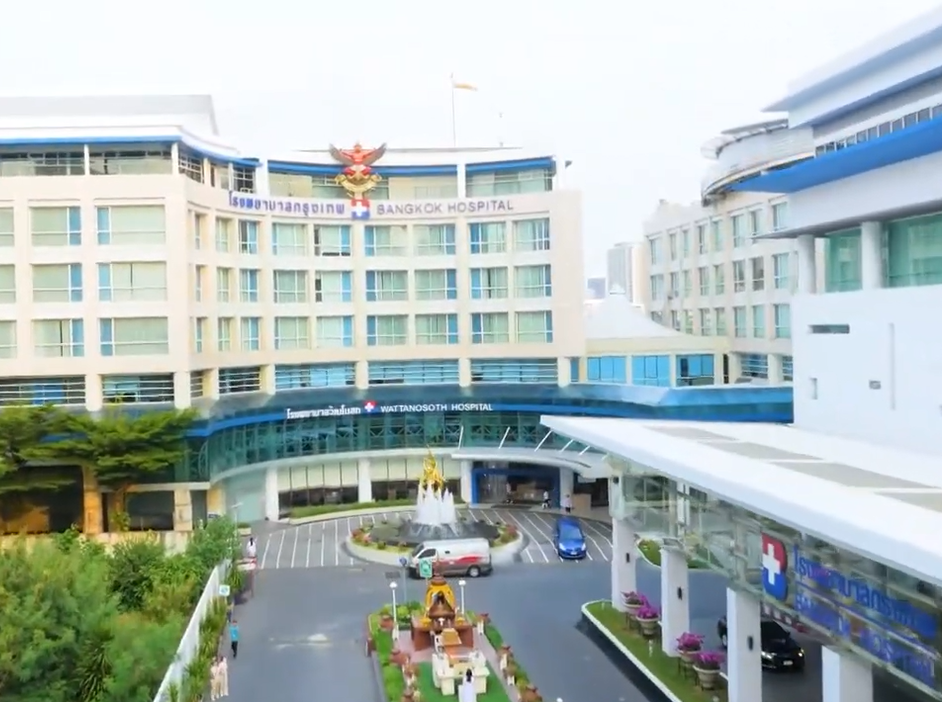
Can foreigners use Hua Hin’s public hospital?
Yes, and many long-term residents do so happily. Hua Hin Hospital treats international patients, the costs are a fraction of private rates, and it operates a premium clinic for foreign patients with English-speaking reception and shorter waits.
The value on offer is real. For planned procedures, quotes at the public hospital commonly come in well below private hospital pricing for the same operation, which is why residents paying out of pocket often choose it deliberately rather than as a fallback. The surgeons are experienced, the volumes are high, and the outcomes are good.
What you get for private pricing is comfort and speed: private rooms, shorter waits, English throughout and international insurance handling. What you get at the public hospital is excellent value with a more local experience, shared wards and a registration process done at a dedicated counter with your passport. Plenty of residents use both, choosing whichever fits the situation, and that flexibility is one of the quiet advantages of living here. It also keeps healthcare comfortably predictable within an overall cost of living in Hua Hin that continues to surprise people from Japan and Europe.
What I see with clients
The thing clients tell me most often after their first year is that the English-speaking healthcare level in Hua Hin is far higher than they expected before they moved. Between a full-service Bangkok Hospital and a clinic like Be Well, very little now needs a trip to the capital, and that has changed how confident people feel about settling here permanently.
The residents who feel most settled here are the ones who did three small, easy things early on. They registered as a patient at one private hospital before they needed it, so their file already existed. They found one primary care clinic they liked for everyday things, which means a doctor who knows their history. And they kept their insurer’s emergency number and policy number written down somewhere physical as well as on their phone.
None of that takes more than an afternoon, and it turns healthcare from a worry into a solved problem. I walk buyers through it as part of settling in, and I encourage clients to drive the hospital corridor while we are viewing, because seeing how close everything sits is genuinely reassuring. You can reach me through my agent profile if you would like that built into a viewing trip.
Is Japanese-language support available in Hua Hin hospitals?
English is the working language for international patients in Hua Hin, and the standard is genuinely high, with English-speaking doctors and reception staff across the private hospitals and clinics. For anyone who wants Japanese-language consultation, Thailand’s dedicated Japanese medical desks are in Bangkok and remain easy to reach.
Residents who have moved here from Bangkok or from Europe consistently rate the English-speaking care in Hua Hin as being on a par with what they left behind, and that is a large part of why the town retains people rather than seeing them drift back to the capital as they age.
The Japanese government’s medical directory records Hua Hin’s listing along with a full set of Bangkok facilities offering Japanese-language service, including the Japanese outpatient department at Bangkok Hospital on 02-310-3257, the Japanese service counter at Bumrungrad International on 02-011-3388, and the Japanese consultation desk at Samitivej Sukhumvit on 020-222-122, each with published hours and interpreter cover outside them. Hua Hin sits about three hours from all of them, which is why so many Japanese residents here treat Bangkok as an extension of their local options rather than a separate country.
A little preparation makes the local experience effortless. Keep a one-page medical summary in Japanese and English listing your conditions, medications with generic names, allergies and previous surgery, and hand it over at reception. Build a relationship with one clinic so your history is already known. And if you manage an ongoing condition, agree in advance which Bangkok hospital you would use for detailed Japanese-language consultation.
The other half of the answer is people. Support here is warm and community-based, which is exactly why the Japanese community in Hua Hin is such an asset. Neighbours who have already been through a local admission are generous with advice, and that network is one of the strongest reasons Japanese buyers choose this town over larger cities.
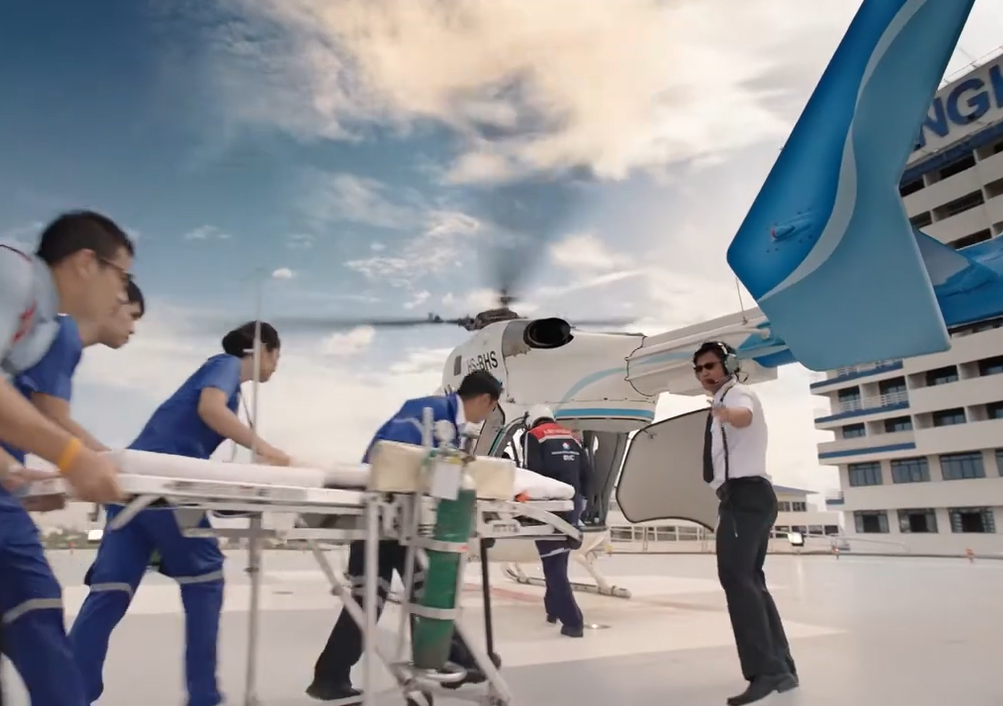
How much health insurance does my Thai visa require?
A Non-Immigrant O-A visa requires health insurance of not less than USD 100,000, equivalent to 3 million baht, covering medical expenses including COVID-19 treatment for the duration of your stay. The certificate is presented to immigration with your application.
The current rules are more generous than the ones they replaced. The earlier framework required a Thai policy with separate inpatient and outpatient limits, while the amended criteria published by Thailand’s Ministry of Public Health, effective 1 October 2021, moved to a single clear threshold and opened it up to overseas insurers as well as Thai ones. That means you can often keep the international policy you already trust.
The Thai General Insurance Association runs the official long-stay portal where approved Thai policies are purchased and verified, and its published O-A guidance confirms the same straightforward conditions: applicant aged 50 or above, one-year visa validity, and coverage of at least 100,000 USD or 3 million baht including COVID-19. Sixteen Thai insurers are listed there, among them Viriyah, AXA, Sompo, Muang Thai, LMG, Cigna, Pacific Cross, Thaivivat, Dhipaya and Thai Health Insurance, so there is genuine choice on price and benefits.
Where do I buy a policy that immigration will accept?
Buying from a listed Thai insurer is the simplest route, because the policy is verified through the association’s portal and your certificate is generated automatically. If you prefer to keep an overseas policy, you download the foreign insurance certificate form, have it signed by an authorised person at your insurer, and submit it with the policy document. For extensions handled inside Thailand, that certificate is authenticated either by your country’s embassy in Thailand or through your own foreign ministry.
The one piece of timing advice worth following is to arrange the policy before you book your visa appointment. Underwriting takes a little time, and having the certificate ready makes the rest of the process quick. This fits naturally alongside choosing the right route in the first place, which is covered in the guide to visa options for living in Thailand long term.
What if I am over 70 and an insurer declines cover?
Thailand has built a clear official route for this. Applicants who are wholly or partly declined can submit the insurer’s letter of denial together with documents showing property, bank deposits, insurance or other assets totalling not less than 3 million baht, assessed against Immigration Bureau criteria.
This is one of the more thoughtful features of the system, and it exists because the Ministry of Public Health reviewed the original rules and deliberately fixed the gap for older applicants. Rather than closing the door, the rules give you an alternative way to demonstrate you are covered.
The process is well defined. A refusal issued in Thailand follows the standard criteria, and a refusal issued overseas is notarised through the authorised channel in your own country. You then assemble the asset evidence. A Hua Hin property held under a properly structured arrangement can form part of that 3 million baht picture, which is a good reason for buyers in this age group to read up on owning a house in Thailand as a foreigner and on checking a Chanote title deed so the asset stands up cleanly.
The simplest strategy remains to arrange cover while you are insurable, ideally before the move. Premiums are far more attractive at that stage, and you then have both the policy and the asset route available to you.
Does the LTR visa have a different insurance requirement?
Yes, and it is notably easier. Every Long-Term Resident category accepts health insurance of at least USD 50,000 valid in Thailand for no less than 10 months, or Thai social security covering full medical treatment, or a bank deposit held for 12 months.
The Thailand Board of Investment, which administers the programme, sets the deposit alternative at USD 100,000 per main applicant and USD 25,000 per dependent, held for at least twelve consecutive months. That third option is a genuinely welcome piece of flexibility for applicants who would rather not arrange a new policy.
The wider package is attractive too. The LTR grants a ten-year renewable stay and replaces the 90-day reporting requirement with a single annual report, which makes long-term life here noticeably simpler. The Wealthy Pensioner category is open to applicants over 50 with passive income of USD 80,000 a year, or USD 40,000 a year plus a qualifying Thai investment of at least USD 250,000, and Thai property can count toward that investment.
The LTR also reflects who is arriving in Hua Hin now. The town was once almost entirely a retirement destination, and since the pandemic a much younger group of remote workers and location-independent professionals has settled here, drawn by the space, the beaches and the cost base. Their healthcare needs look different from a retiree’s, leaning toward primary care, sports injuries, dental work and family medicine rather than chronic condition management, and Hua Hin’s clinic layer serves that profile particularly well. Younger arrivals also tend to hold employer cover or an international policy already, which makes the USD 50,000 LTR threshold far easier to clear than the USD 100,000 required on the O-A route.
That last point is the happy overlap between healthcare planning and property planning. If you are buying here anyway, structuring the purchase so it supports a visa qualification is a decision best made before you sign, and it shapes what to look for in the Hua Hin property market report. Many younger residents begin with a rental while they settle, which is where the short-term versus long-term rental comparison is a useful first read.
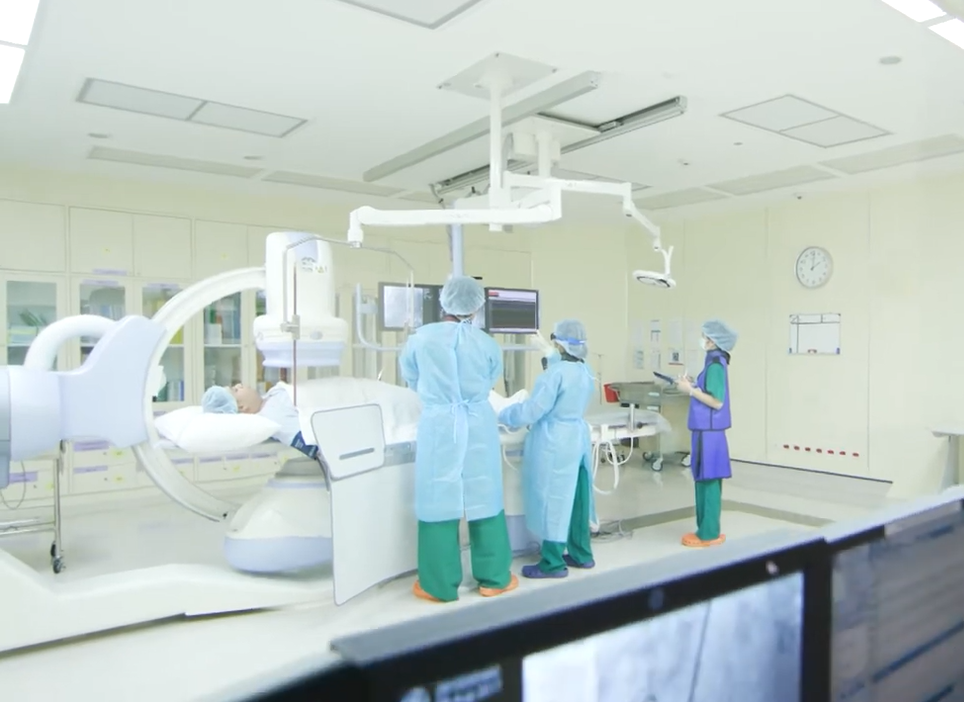
What happens in a medical emergency in Hua Hin?
Call 1669 for the national ambulance service, or call your chosen private hospital directly, since the private hospitals run their own ambulances. With insurance arranged in advance, admission at a private hospital is quick and the paperwork is handled for you.
Japanese government travel health guidance notes that private hospitals in Thailand operate on a self-pay basis, which is simply why having your cover in place makes everything run smoothly. Where your insurer is on the hospital’s accepted list and the case is pre-authorised, direct billing means the hospital settles with the insurer and you concentrate on getting better. Confirming that arrangement while you are healthy takes one phone call and pays for itself many times over.
A little preparation goes a long way. Keep the hospital switchboard, your insurer’s 24-hour emergency line and your policy number written down somewhere physical. Register with your preferred private hospital in advance so your file exists. Both take minutes and both make a real difference on the day.
Location helps too. Hua Hin’s hospital corridor runs along Phetchakasem Road, and the town’s compact layout means most residential areas sit within a comfortable drive of it. That is worth factoring in alongside the appeal of living near Black Mountain Golf Club and the other green-belt neighbourhoods, where a slightly longer run into town buys you a beautiful setting.
When would I go to Bangkok instead of staying in Hua Hin?
Hua Hin handles routine care, diagnostics, most surgery, rehabilitation and long-term condition management locally. Bangkok adds the highly specialised layer, such as complex cardiac work, advanced oncology and rare conditions, and it is roughly three hours away.
This is one of Hua Hin’s real structural advantages. You get a relaxed coastal town for daily life and access to some of Asia’s most advanced hospitals for the rare occasions that call for them. Because Bangkok Hospital Hua Hin belongs to the same national network as several of the Bangkok hospitals you would be referred to, records transfer easily and continuity of care is straightforward.
The provincial hospital in Prachuap Khiri Khan town to the south adds further public capacity, and Hua Hin’s own private hospitals cover the great majority of what residents actually need across a year.
For anyone comparing destinations, this balance of everyday calm and big-city backup is exactly the trade explored in Bangkok or Hua Hin, and Hua Hin versus Phuket for expats looks at how it compares with Thailand’s other established international communities.
How should healthcare access shape where I buy in Hua Hin?
Drive time to the Phetchakasem Road hospital corridor is a useful criterion alongside budget, view and plot size. Hua Hin’s compact geography means most popular areas already score well on it, so you rarely have to choose between medical access and the home you want.
Buyers who think about this early tend to be delighted with their choice a decade later. Central and near-central positions put you minutes from everything, which suits both retirees and the younger families and remote workers who now make up a growing share of the market. The golf-belt and hillside areas offer beautiful settings with a longer but very manageable run into town, and residents there simply plan their appointments accordingly. Around the Soi 88 area and the other established residential pockets, you get both: a settled neighbourhood feel and a short run to Phetchakasem Road.
The second factor worth a moment’s thought is the home itself. Single-level layouts, gentle entrances and short distances from parking to front door keep a property comfortable for decades, and they cost nothing extra to specify while you are still choosing. Buyers who build that in early get to stay in the home they love for far longer.
This is where the townhouse versus villa comparison and the luxury villas versus condos question become lifestyle decisions as much as investment ones. And if you would rather test the town before committing capital, the buy or lease analysis is a good place to start.
How I advise buyers on this
When clients ask me to shortlist properties, I like to understand their healthcare picture before their budget, because it makes the shortlist sharper straight away. For an active couple in their fifties, the whole map is open and we can chase the view. For someone managing a condition that needs regular appointments, I focus on central Hua Hin, and those buyers are consistently glad of it later.
My client mix has changed noticeably too. Hua Hin used to be dominated by retirees, and since the pandemic I have worked with far more buyers in their thirties and forties, digital nomads and remote professionals who came for a few months and decided to stay. They ask different questions, more about clinics, dentists and family medicine than about specialists, and Hua Hin answers those questions well.
I also suggest one simple exercise that almost nobody thinks of unprompted: drive from a shortlisted property to Bangkok Hospital Hua Hin at a busy time of day rather than a quiet one. It takes an hour, it is quietly reassuring, and it has helped more clients feel confident about a purchase than any brochure I have handed over. If that is the kind of care you want built into a viewing trip, my profile page has my direct contact details.
Frequently asked questions
Can I use my home country insurance at Hua Hin hospitals?
Often yes, and the current O-A rules accept policies from overseas insurers as well as Thai ones. Check that your policy covers treatment outside your home country, since some domestic plans are designed for home use only.
Do Hua Hin hospitals do direct billing, or do I pay and claim?
Bangkok Hospital Hua Hin works with a wide range of international insurers for direct billing, where the hospital settles with your insurer for you. Confirm that your specific insurer is on their list and understand the pre-authorisation step, and admissions become genuinely effortless.
How much does a routine consultation cost in Hua Hin?
A private hospital outpatient visit typically sits in the region of 1,000 baht before medication or tests, which most international residents find very reasonable. Public hospital consultations cost considerably less, and clinic membership plans offer good value for anyone who visits regularly.
Is there Japanese-language medical support near Hua Hin?
Japanese-language desks are concentrated in Bangkok, about three hours away, and several major hospitals there offer dedicated Japanese counters with published hours. In Hua Hin itself, English-speaking staff across the private hospitals and clinics make day-to-day care straightforward.
Do I need insurance on a Non-Immigrant O visa rather than an O-A?
The 100,000 USD requirement is written specifically for the O-A category, and the standard Non-Immigrant O route has historically not carried the same threshold. Rules are reviewed periodically, so confirm the current position with the immigration office handling your extension.
I am a remote worker in my thirties, not a retiree. Does Hua Hin suit me medically?
Very well. The clinic layer that grew up around the international community handles primary care, dental work, sports injuries and family medicine easily and in English, and the full-service hospital covers anything larger. Insurance requirements depend on which visa route you use, so confirm the specific threshold for your category rather than assuming the retirement figures apply.
Is healthcare a good reason to choose Hua Hin over other Thai towns?
For many buyers it is one of the deciding factors, because few Thai towns of this size offer a JCI-accredited hospital, a second private hospital, an affordable public hospital and expat-focused clinics all together. Add Bangkok within a three-hour drive and the coverage is unusually complete.
The bottom line
Hua Hin punches well above its size on healthcare. You have a full-service internationally accredited private hospital, a second established private option, a genuinely affordable public hospital, primary care clinics built around the international community, and some of Asia’s leading specialist hospitals a comfortable drive away in Bangkok. The standard of English-speaking care is high enough that most residents rarely need the capital at all, and it now serves a broader community than it once did, with younger remote workers settling here alongside the retirees who built the town’s reputation.
Three easy steps make the most of it. Arrange your insurance while you are insurable, since the 100,000 USD O-A threshold is simple to meet with a little planning and Thailand offers a clear alternative route if an insurer declines. Register with a private hospital and a primary care clinic soon after you arrive, so your file exists before you need it. And treat drive time to Phetchakasem Road as one of your buying criteria, which in a town this compact rarely means compromising on the home you want.
If you are still deciding whether Hua Hin is your place, what life is really like in Hua Hin for expats and the seven things to know before moving to Thailand are warm, practical starting points. When you are ready to look at areas with medical access properly weighted, that is exactly the conversation I enjoy having.

 English
  Japanese
Join The Discussion