
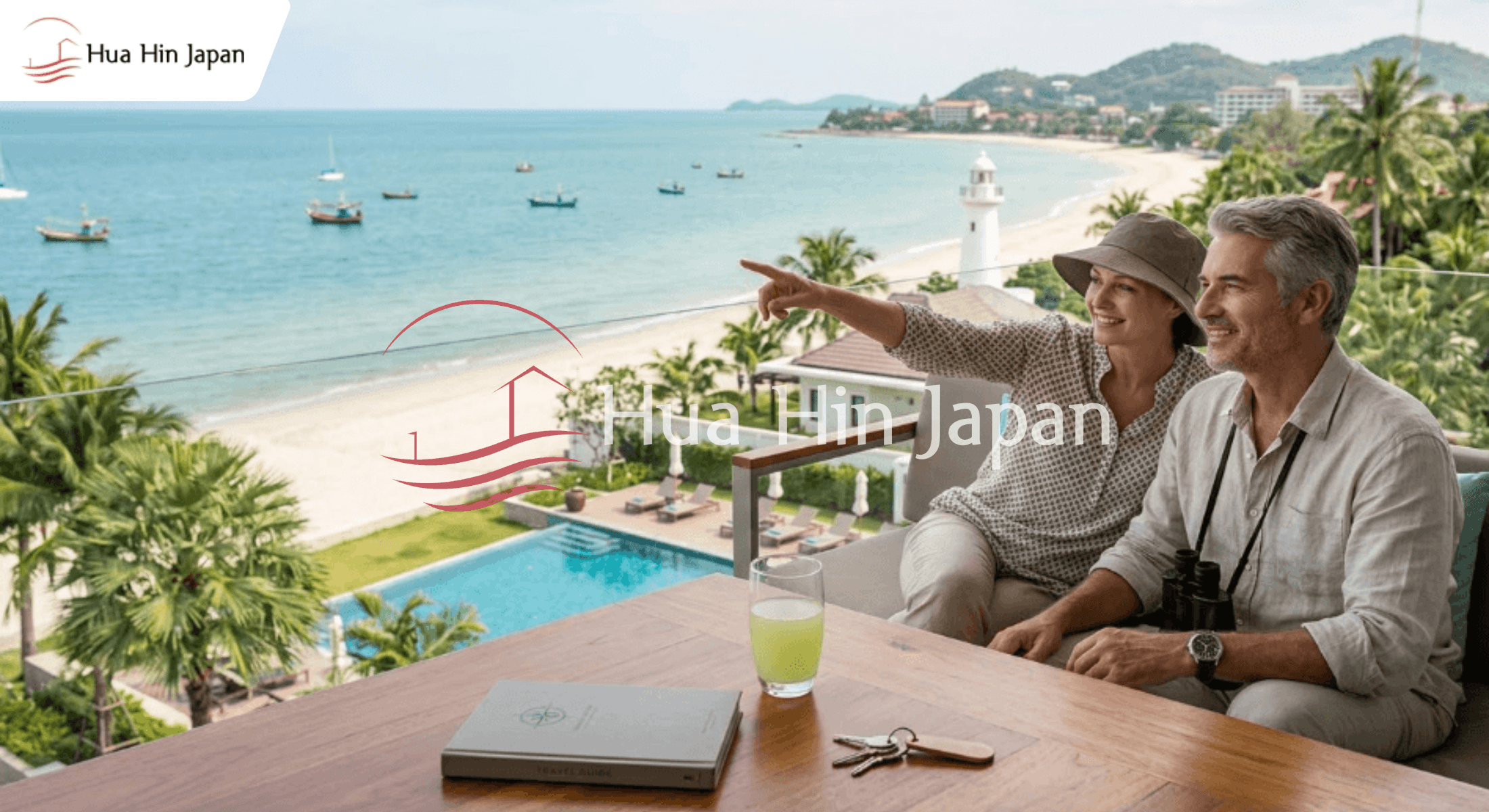
Why Move to Thailand from Europe
Thailand has become one of the most popular destinations for Europeans looking to relocate. The reasons go beyond just sunny weather.
One of the biggest advantages is affordability. Compared to most European countries, the cost of living in Thailand is significantly lower. This means you can enjoy a higher standard of living even with a modest budget. From food and housing to healthcare and transportation, everyday expenses are easier to manage.
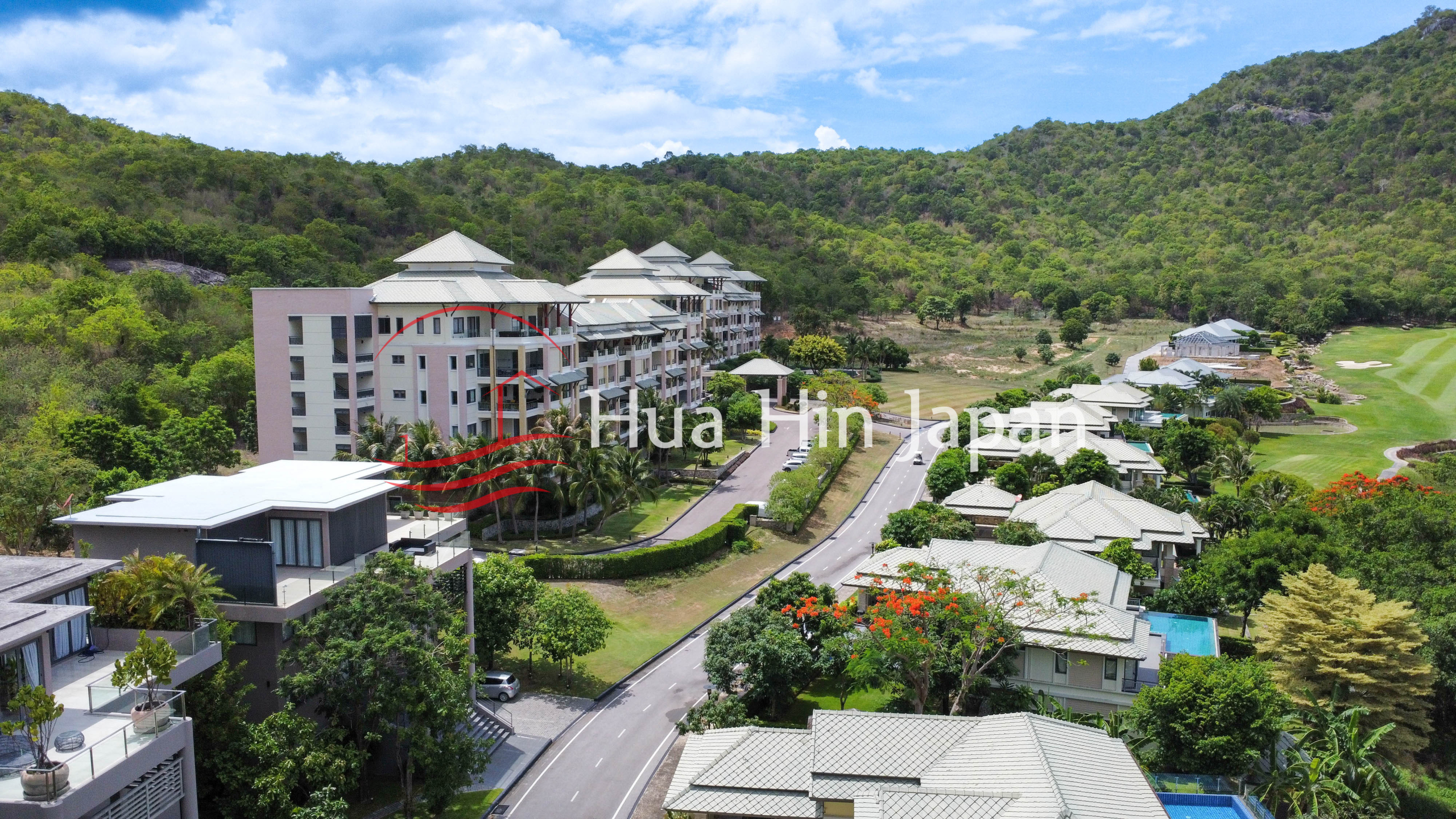
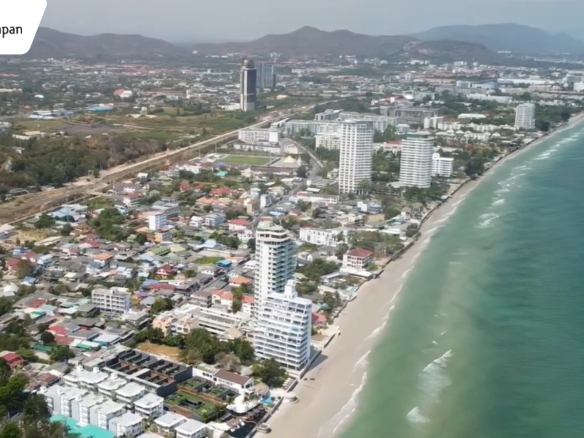
Another major benefit is lifestyle. Thailand offers a slower pace of life that many Europeans find refreshing. Whether you prefer beaches, mountains, or city life, there is something for everyone. Locations like Hua Hin provide a peaceful coastal lifestyle without the chaos of larger cities.
Healthcare is also a strong point. Thailand has modern hospitals and clinics with well-trained doctors. Many facilities cater specifically to international residents, making healthcare accessible and reliable.
Choosing the Best Place to Live in Thailand
Before moving, it is important to decide where you want to live. Each area offers a different experience.
Bangkok is ideal for those who enjoy city life. It has shopping malls, international schools, and a wide range of job opportunities. However, it can be busy and overwhelming.
Chiang Mai is popular among digital nomads and retirees. It offers a cooler climate and a relaxed atmosphere. The cost of living is also lower than in Bangkok.
Phuket is known for its beaches and tourism. It is great for those who want a resort-style lifestyle, but it can be more expensive.
Hua Hin is often considered one of the best places for Europeans moving to Thailand. It combines the charm of a seaside town with modern conveniences. It is quieter than major cities but still offers everything you need for daily life. This balance makes it a top choice for long term living.
Visa Options for Europeans Moving to Thailand
Understanding visa options is one of the most important steps when relocating.
The tourist visa is suitable for short stays but not for long-term living. If you plan to stay longer, you will need a different option.
The retirement visa is popular among Europeans over 50. It allows long-term stay as long as financial requirements are met.
A work visa is necessary if you plan to work in Thailand. This usually requires a job offer from a Thai company.
The education visa is another option if you plan to study or learn the Thai language.
There is also a long-term resident visa that offers extended stay options for certain groups such as investors and professionals.
Choosing the right visa depends on your situation and future plans. It is always best to prepare your documents carefully before applying.
Cost of Living in Thailand Compared to Europe
One of the biggest reasons people move to Thailand is the lower cost of living.
Housing is much more affordable. You can rent a modern apartment or house for a fraction of what you would pay in Europe. Coastal areas like Hua Hin offer excellent value for money.
Food is another area where you will save. Local Thai food is delicious and inexpensive. Even international restaurants are often cheaper than in Europe.
Transportation costs are also lower. Public transport and taxis are affordable, and many people choose to rent or buy a scooter.
Utilities and internet are reasonably priced. High-speed internet is widely available, which is great for remote workers.
Overall, living in Thailand allows you to enjoy a comfortable lifestyle without spending as much as you would in Europe.
Finding Accommodation in Thailand
Finding the right place to live is a key part of your relocation journey.
Most Europeans start by renting before deciding to buy property. This gives you time to explore different areas and understand what suits your lifestyle.
Apartments and condominiums are the most common choices. They often come with facilities such as pools, gyms, and security.
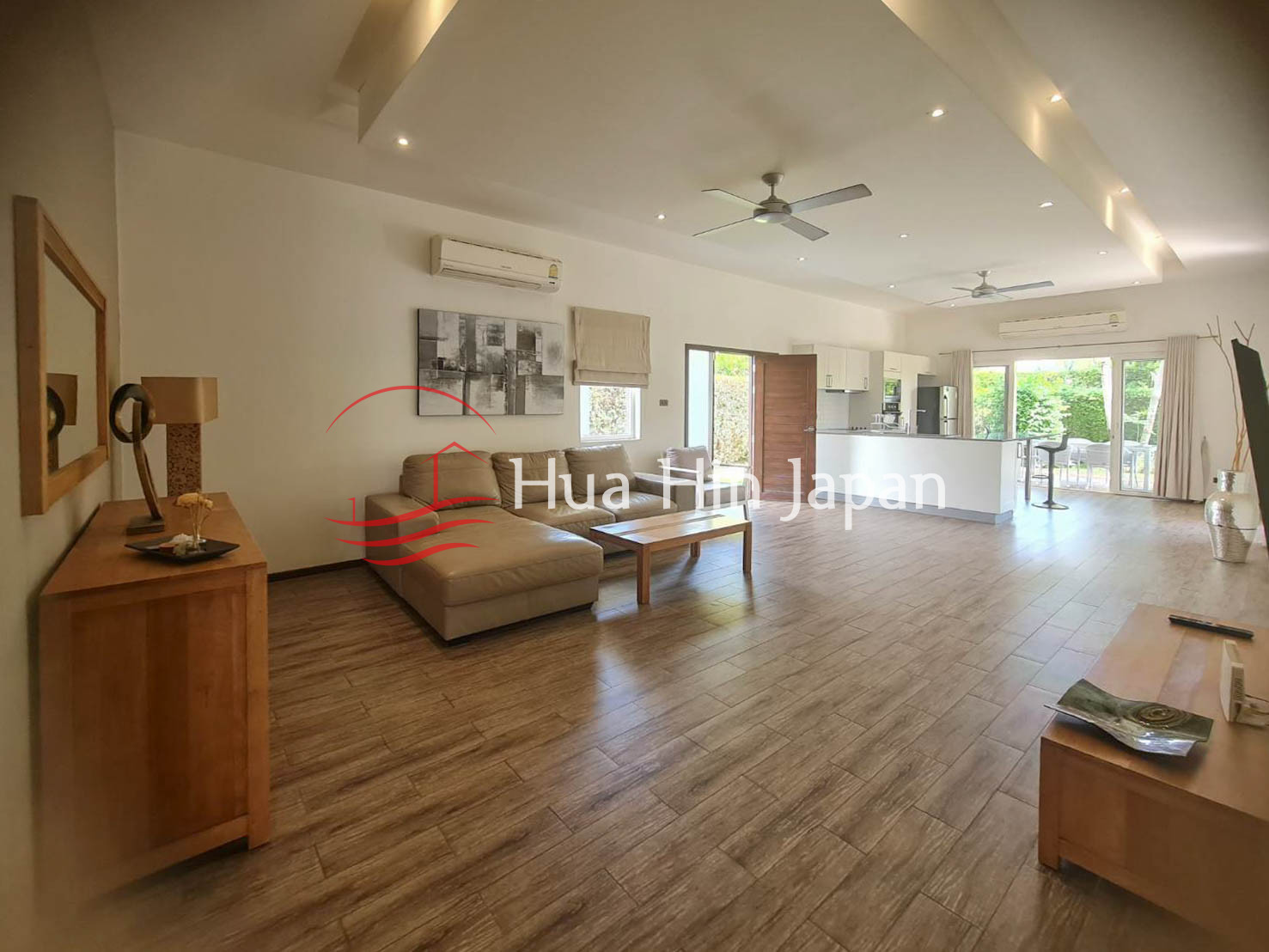
Houses are also available, especially in quieter areas. They offer more space and privacy.
When choosing accommodation, consider factors like location, transportation, and nearby amenities. Living close to markets, hospitals, and schools can make your daily life much easier.
Healthcare and Insurance in Thailand
Healthcare in Thailand is known for its quality and affordability.
Private hospitals offer excellent services with modern equipment and English-speaking staff. Many Europeans feel comfortable using these facilities.
It is important to have health insurance when living in Thailand. This ensures you are covered in case of emergencies or unexpected medical expenses.
Routine checkups and treatments are generally affordable, making it easier to maintain good health without high costs.
Working and Doing Business in Thailand
If you plan to work or start a business, there are a few things to keep in mind.
Finding a job in Thailand may require specific skills, especially in teaching, hospitality, or international companies.
Remote work is becoming more common. Many Europeans choose to work online while living in Thailand.
Starting a business is possible but involves legal requirements. It is important to understand local regulations and seek professional advice if needed.
Daily Life and Culture in Thailand
Adapting to a new culture is an important part of moving abroad.
Thai people are known for their friendliness and hospitality. Respect and politeness are highly valued in daily interactions.
Learning basic Thai phrases can help you connect with locals and make everyday tasks easier.
Food plays a big role in Thai culture. Exploring local dishes is one of the most enjoyable parts of living in Thailand.
The lifestyle is generally relaxed. Many people spend time outdoors, enjoying beaches, parks, and markets.
Education Options for Families
If you are moving with children, education is an important consideration.
Thailand has many international schools that follow European or global curriculums. These schools provide high quality education and are popular among expat families.
There are also local schools, but language may be a barrier for non-Thai speakers.
Choosing the right school depends on your child’s needs and your long term plans.
Tips for a Smooth Relocation
Moving to a new country can feel overwhelming, but proper planning makes a big difference.
Start by researching visa requirements and preparing documents early. This helps avoid delays.
Visit Thailand before relocating if possible. This allows you to explore different areas and make informed decisions.
Plan your finances carefully. Having savings will give you peace of mind during the transition.
Connect with expat communities. They can provide valuable advice and support as you settle in.
Stay open-minded and patient. Adjusting to a new environment takes time, but the experience is rewarding.
Final Thoughts
Moving from Europe to Thailand offers an exciting opportunity to enjoy a better lifestyle, lower costs, and new experiences. Whether you choose a vibrant city or a peaceful coastal town like Hua Hin, the country provides a welcoming environment for newcomers.
By understanding visa options, planning your finances, and choosing the right location, you can make your relocation smooth and successful. Thailand is not just a place to live, but a place to truly enjoy life.
If you are ready to start your journey, take the first step today and begin planning your move with confidence.

 English
  Japanese
Join The Discussion