
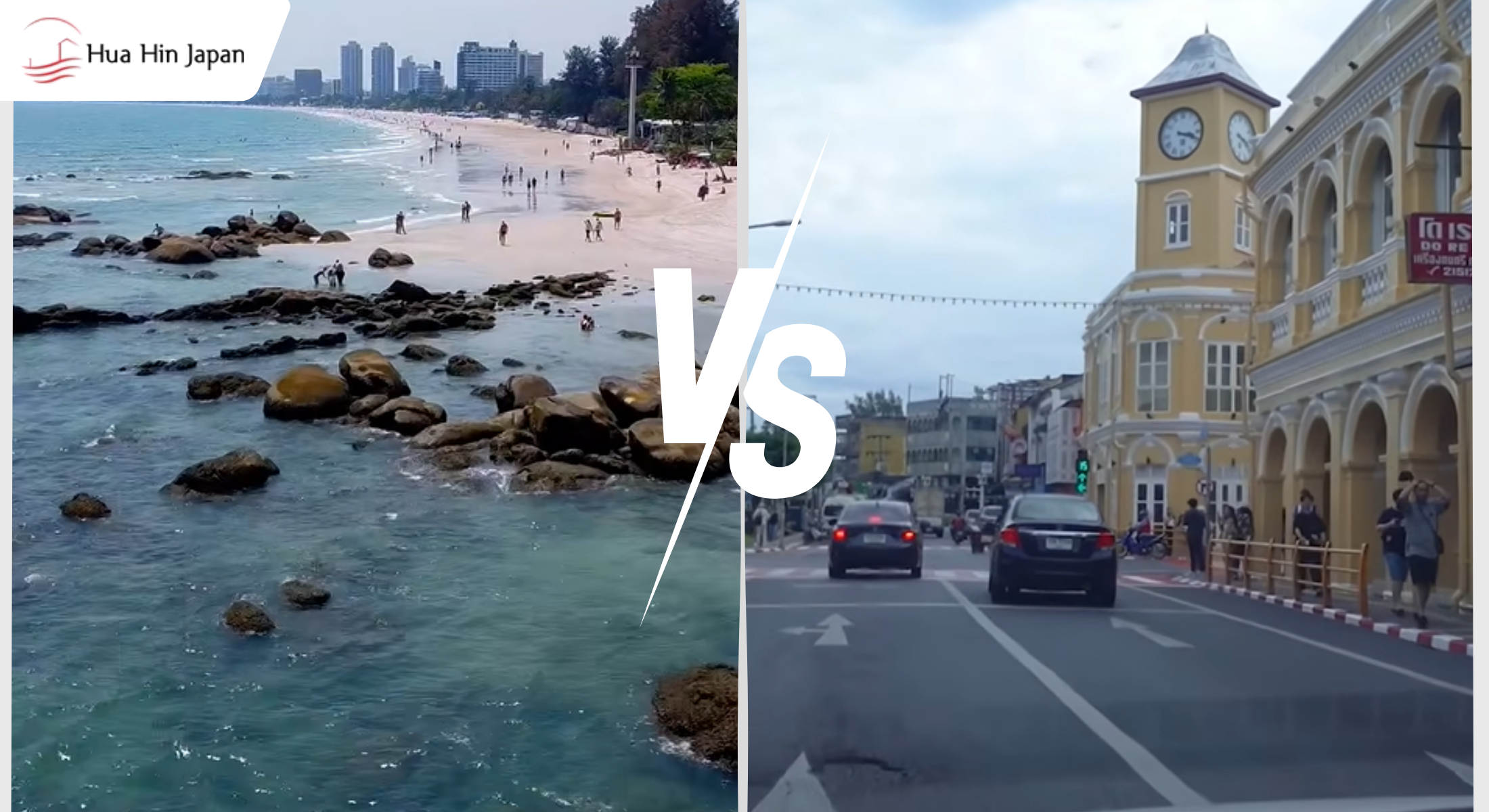
For most long-term expats, Hua Hin is the better choice: living costs are lower, the Gulf of Thailand stays calm and swimmable, Bangkok is close by road and rail, and your property budget buys far more space. Phuket still suits people who fly abroad every month and want island nightlife on the doorstep.
Below, each question expats ask us is answered directly, with the numbers that matter for daily life, renting and buying.
Key Takeaways
- Cost: Hua Hin rents and daily costs run clearly below Phuket’s expat beach areas.
- Property value: a budget that buys a condo in Phuket often buys a pool villa on its own land in Hua Hin.
- Access: Bangkok is about three hours by road, and the double-track railway has shortened train journeys.
- Weather and sea: Hua Hin gets roughly half of Phuket’s annual rainfall, and its Gulf beach stays gentle year-round.
- Where Phuket wins: an international airport and a deeper network of specialist hospitals.
Table of Contents
Is Hua Hin or Phuket Better for Expats?
Hua Hin is better for expats who want a lower cost of living, a calm sea, easy Bangkok access and more home for their money. Phuket is better for expats who fly internationally very often and want nightlife and island variety close at hand.
The two are often grouped together as “Thailand beach living,” yet they work very differently. Hua Hin is a mainland town with a settled community, a royal heritage and a steady daily rhythm. Phuket is an island province shaped by mass tourism, where the experience changes sharply from one beach to the next.
For people planning to live somewhere for years rather than weeks, the deciding factors are usually cost, comfort, safety and value. On all four, Hua Hin comes out ahead. The table below shows the full picture.
| Factor | Hua Hin | Phuket |
|---|---|---|
| Cost of living | Lower, local pricing | Higher, tourist pricing |
| 1-bed condo rent | Around THB 15,000 a month | THB 25,000+ in popular beach areas |
| Property value | Pool villas with land from about THB 5M | Condo market priced for foreign buyers |
| From Bangkok | About 3 hours by road, double-track rail | Flight only, no rail link |
| International flights | Via Bangkok airports | Own international airport |
| Rain and sea | Lighter rainy season, calm Gulf water | Heavy monsoon, strong west-coast surf |
| Healthcare | Good private hospitals, Bangkok for specialists | Larger specialist network |
| Expat community | Settled, long-term, family-friendly | Larger, more transient |
| Daily pace | Relaxed and predictable | Busy, varies by area |
Green cells mark the stronger option for long-term living.
Is Hua Hin Cheaper Than Phuket?
Yes. Hua Hin is noticeably cheaper than Phuket for rent, dining and everyday services. A central one-bedroom condo in Hua Hin rents for around THB 15,000 a month, while comparable units in Phuket’s expat beach areas usually start near THB 25,000.
The gap comes from how each economy works. Phuket’s beach areas are priced around short-stay tourists, so a coffee, a dinner or a handyman visit costs more simply because of where you are. Hua Hin has a large Thai weekend crowd from Bangkok and a resident expat base, which keeps prices closer to local levels.
Housing makes the biggest difference. In Hua Hin, a couple can rent a comfortable condo near the beach or a house with a garden for a fraction of what a similar lifestyle costs on Phuket’s west coast. Utilities, domestic help and food follow the same pattern. Our full guide to the cost of living in Hua Hin breaks down a realistic monthly budget line by line.
How Much Property Does Your Money Buy in Hua Hin vs Phuket?
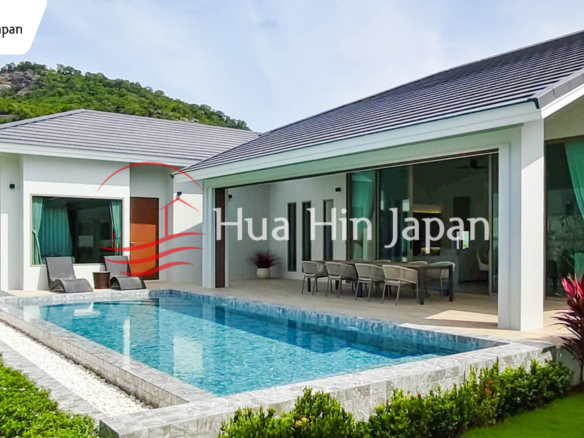
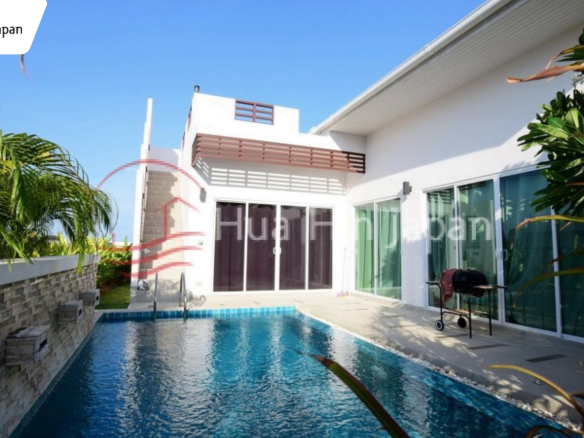
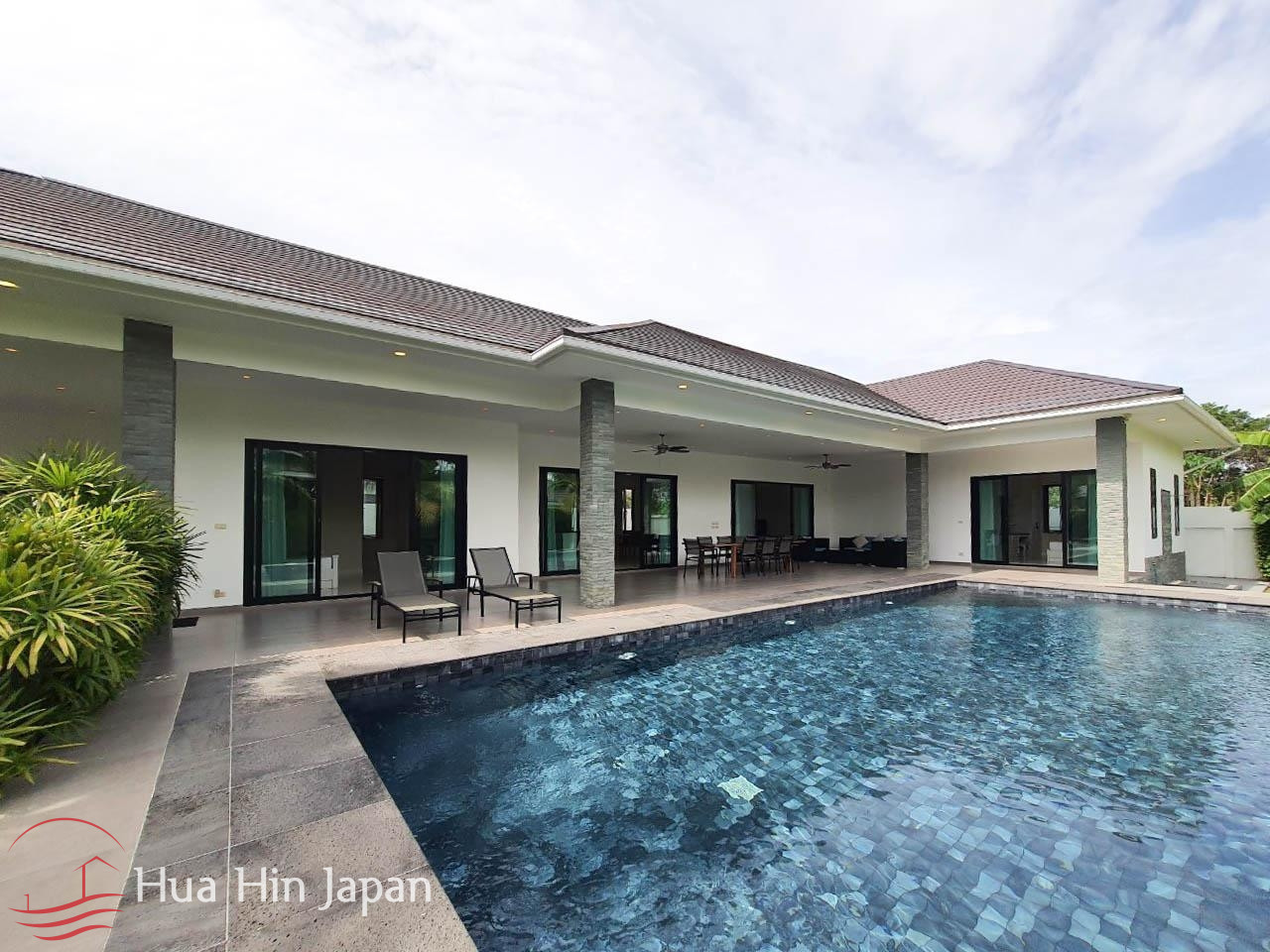
Your budget buys considerably more space in Hua Hin. Pool villas with private land start at around THB 5 million, and THB 7 to 9 million buys a three-bedroom pool villa on 500 m² or more, a price range that typically buys a condo in Phuket’s popular areas.
Phuket’s west-coast developments are built and priced mainly for overseas investors, which pushes condo prices well above mainland levels. Hua Hin offers a wider spread: beachfront condos in town, gated villa communities on the edge of the countryside, and golf course homes with mountain views.
Recent listings show the range. A two-bedroom pool villa with a rooftop terrace in Khao Tao has been offered at THB 4.8 million, and a three-bedroom pool villa on a 540 m² plot off Thap Tai Road at THB 7.48 million. For a clear picture of each price band, see what THB 5M, 10M and 20M gets you in Hua Hin.
From Akemi’s experience
In more than 20 years in the Hua Hin market, the comparison I walk clients through most often is a beachfront condominium against a golf course villa. Before anyone commits, I arrange a hotel stay and a round of golf so they can feel the area in the morning, at midday and after dark. Seeing the size of the garden and the pool that the same budget allows is usually the moment the decision becomes clear.
How Easy Is It to Get to Hua Hin From Bangkok?
Hua Hin is about 200 km from Bangkok, roughly three hours by car, bus or private transfer. Trains also run on the upgraded southern line, and Bangkok’s two international airports connect you to the world without needing a domestic flight.
Rail travel has improved significantly. The State Railway of Thailand opened the double-track railway on the southern line from Nakhon Pathom to Chumphon in 2024, cutting journey times by up to 90 minutes and giving Hua Hin a new station that keeps the look of the historic original.
Being on the mainland matters for everyday life too. You can drive to Bangkok for a specialist appointment, an embassy visit or a shopping trip and be home the same evening, with no ferry or flight involved. Visiting family land in Bangkok and reach Hua Hin by road in a single afternoon.
Phuket’s clear advantage is its own international airport with direct routes across Asia and the Middle East. If you fly abroad several times a month, that convenience is real. For most residents, though, a three-hour transfer a few times a year is a fair trade for everything Hua Hin offers in between.
Which Has Better Weather and Safer Beaches?
Hua Hin has the gentler climate and the safer sea. Its Gulf of Thailand coast receives roughly half of Phuket’s rainfall, and the water stays calm and shallow, while Phuket’s Andaman coast takes the full southwest monsoon from May to October.
The numbers show the difference clearly. Phuket’s long-term annual average is about 2,195 mm, and Thai Meteorological Department figures reported in November 2025 showed more than 2,590 mm had already fallen that year. Heavy rain in September 2024 also triggered landslides on the island, including a deadly one in Kata.
Hua Hin sits in one of the driest stretches of Thailand’s coastline. Its wettest months are usually September to November, and even then rain tends to arrive in short afternoon bursts rather than days of storms. December to April brings sunshine, cooler evenings and ideal beach weather.
For anyone who swims daily, walks the beach with children or kiteboards, the calm Gulf water is a genuine quality-of-life advantage. Phuket’s west-coast beaches develop strong rip currents during the monsoon, and red flags mean no swimming for weeks at a time.
Which Has Better Healthcare for Expats?
Hua Hin covers everyday and emergency care well through Bangkok Hospital Hua Hin and San Paulo Hospital, both with English-speaking staff. Phuket has a larger specialist network, but Bangkok’s leading hospitals are within a three-hour drive of Hua Hin.
For routine check-ups, dental work, minor procedures and emergencies, Hua Hin’s private hospitals serve the expat community confidently. Clinics, pharmacies and physiotherapy are easy to find across town, and many residents also use traditional Thai massage and wellness services as part of their routine.
For complex treatment, Hua Hin residents travel to Bangkok, home to some of the most respected private hospitals in Asia. Phuket’s specialist depth is a fair point in its favour, yet patients there often end up in Bangkok for the most advanced care too. Read our guide to hospitals, clinics and insurance in Hua Hin for details on each facility and cover options.
Which Expat Community Is Easier to Settle Into?
Hua Hin’s expat community is easier to settle into because people stay. Residents tend to live there for years, so friendships last. Phuket’s community is larger and more international, but high turnover makes a stable circle harder to build.
Hua Hin has long attracted Europeans, including large Scandinavian and German groups, along with British, Australian and Japanese residents. Social life runs through golf clubs, expat associations, sports groups, markets and beachside restaurants, and the same faces turn up week after week.
Phuket draws a constant flow of seasonal visitors and short-stay remote workers alongside its long-term residents. You will meet many people, yet a good share will have moved on within a year. Japanese residents in particular will find a welcoming network described in our article on the Japanese community in Hua Hin.
Is Hua Hin Only for Retirees?
No. Hua Hin suits families, remote workers and part-year residents as well as retirees. International schools, fast fibre internet, golf, kiteboarding and a growing dining scene attract younger expats who want a calmer base than Phuket or Bangkok.
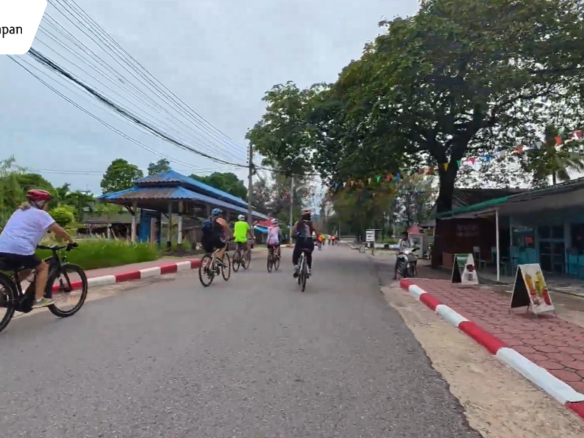
Families appreciate the safe, low-key environment and the fact that nightlife is easy to avoid. Children can grow up near the beach, ride bikes and play sports without the traffic and crowds of a tourist hub.
Remote workers find reliable connections in condos, villas and co-working spaces, plus a time zone that suits clients in Asia, Europe and Australia. Our guide to working remotely from Hua Hin covers providers and speeds. For active residents, there are more than ten golf courses within a short drive, along with tennis, cycling routes and some of Thailand’s best kiteboarding conditions.
Where Should Expats Live in Hua Hin?
Central Hua Hin suits expats who want to walk to the beach and restaurants. Khao Takiab offers a quieter beach village, the Soi 88 and Soi 112 belt suits villa buyers, and the golf corridor, Pranburi and Cha Am offer more space and value.
- Central Hua Hin: condos close to the beach, night markets, shopping centres and hospitals. Ideal if you prefer not to drive.
- Khao Takiab (Hua Hin South): a relaxed beachfront area with seafood restaurants and an easy walk along the sand. Compare it in our guide to Hua Hin North vs Hua Hin South.
- Soi 88 to Soi 112: established gated villa communities a short drive from town, popular with families and couples. See our profile of the Soi 88 area.
- Golf corridor and Hin Lek Fai: villas with mountain views near Black Mountain, Banyan and Palm Hills, with larger plots for the price.
- Pranburi and Cha Am: quieter beaches and lower land prices to the south and north of Hua Hin.
Should You Rent or Buy First in Hua Hin?
Most expats should rent in Hua Hin for six to twelve months before buying. Living through a full year of seasons shows you which area, property type and commute suit your routine, so the purchase you make afterwards fits how you actually live.
Renting is straightforward in Hua Hin, with a wide choice of condos, townhouses and pool villas on long-term leases. Once you know the area, buying gives you stability and a home you can shape to your taste. Our comparison of long-term rental vs buying in Hua Hin sets out the costs of each route.
Ownership rules are the same in Hua Hin and Phuket. Foreigners can own condominium units freehold, provided the building stays within the 49% foreign freehold condo quota. Land cannot be owned directly by foreigners, so villas are usually held through a registered long-term lease, with the house itself owned separately.
From Akemi’s experience
Many of the buyers I work with are purchasing property outside their home country for the first time, often Japanese clients who expect everything to be explained in full. I check every document before it reaches the client and describe each property accurately, including the inconvenient parts. Nobody should feel pushed into a purchase. When someone is still unsure, I recommend renting first, because the right home becomes obvious once you have lived through a Hua Hin year.
Frequently Asked Questions
Is Hua Hin cheaper than Phuket for retirees?
Yes, retirees typically spend noticeably less in Hua Hin, mainly because rent and dining cost less than in Phuket’s beach areas. A couple can live comfortably in Hua Hin on a budget that would feel tight on Phuket’s west coast.
Does Hua Hin have nightlife?
Yes, Hua Hin has live music bars, rooftop venues, night markets and a wide range of restaurants. It is lively enough for a good night out but far calmer than Phuket’s Patong.
Can foreigners buy property in Hua Hin?
Foreigners can buy condominium units freehold within the 49% foreign quota of each building. Houses and villas are usually secured through a registered long-term land lease, with the building owned by the buyer; see whether you can own a house in Thailand for the full explanation.
When is the rainy season in Hua Hin?
Hua Hin’s wettest months are usually September to November, with rain falling mostly in short afternoon showers. December to April is dry, sunny and the most popular time to visit.
Is Hua Hin good for families with children?
Yes, Hua Hin is one of Thailand’s most family-friendly beach towns, with international schools, calm swimmable water and safe residential areas. Gated villa communities offer gardens and pools at prices well below Phuket.
Which visa can I use to live in Hua Hin long term?
Most long-term residents use a retirement, marriage, education or Destination Thailand Visa, or the 10-year Long-Term Resident visa. Our overview of the best visa options for living in Thailand long term compares the requirements.
Conclusion: Why Most Expats Choose Hua Hin
Hua Hin gives expats more of what makes long-term life in Thailand enjoyable: lower costs, a calm and swimmable sea, a lighter rainy season, a settled community and property that offers real space for the money. Phuket remains a strong option for frequent international flyers who want island energy every day.
For a home you will live in, rather than a holiday you will visit, Hua Hin is the more comfortable and better-value choice. The best way to decide is to spend time here, rent first if you are unsure, and view properties in person across a few different areas.

 English
 Japanese
Join The Discussion