
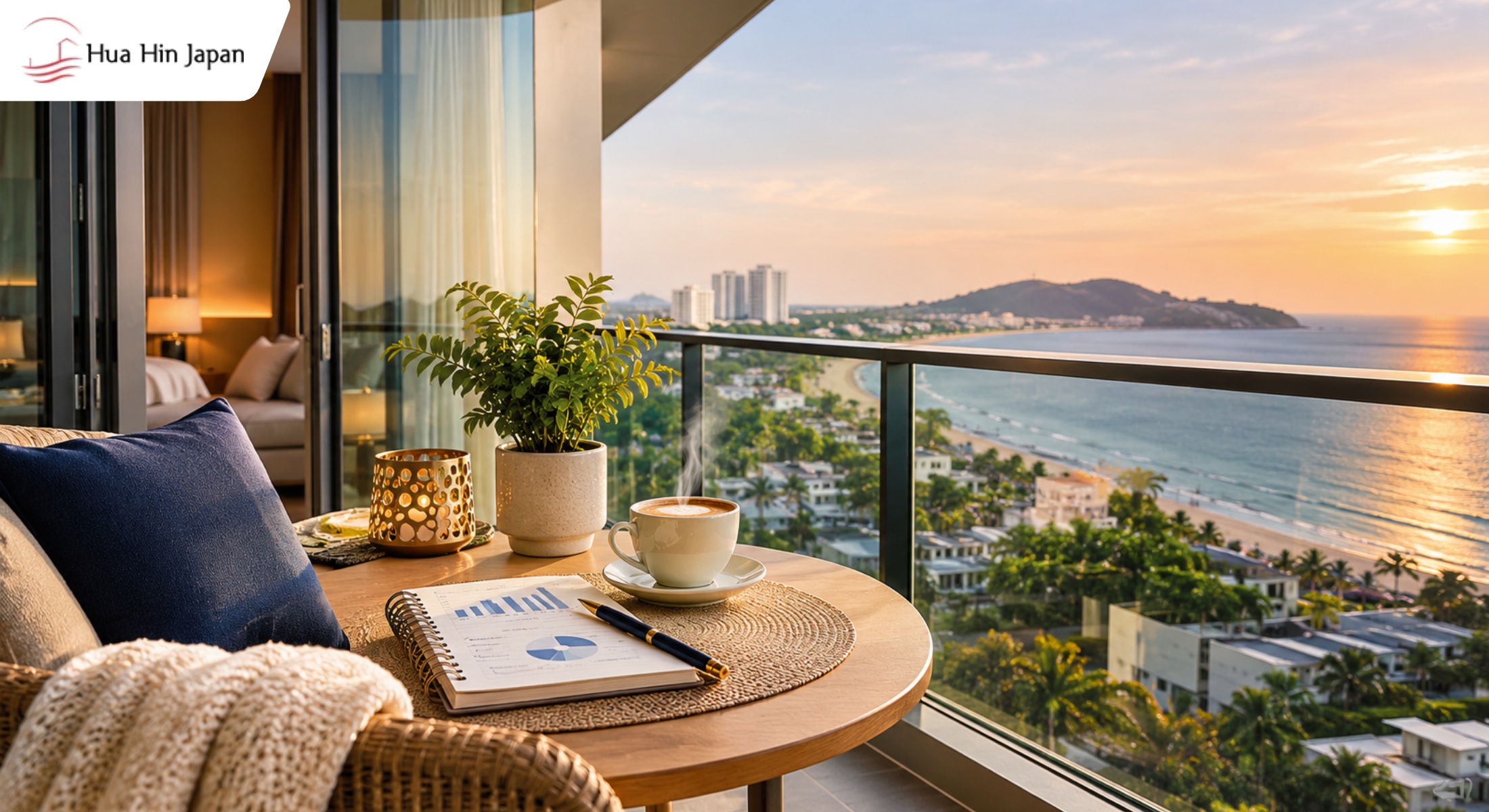
Hua Hin has quietly become one of Thailand’s most dependable rental markets. Demand comes from long-stay European retirees, Bangkok families on weekend breaks and a growing number of remote workers, and it runs across most of the year. Below you will find the realistic numbers: what a property here earns, what it costs to run, and why 2026 is shaping up well for landlords.
|
5 to 7%
Realistic gross yield for a well-bought Hua Hin condo
|
4.5 to 5.5%
Typical net yield after running costs
|
Nov to Mar
Peak rental season, led by European winter stays
|
Table of Contents
What rental yield can you realistically expect from a property in Hua Hin?
A well-bought condo in Hua Hin realistically earns a gross rental yield of 5 to 7% a year, which usually works out at around 4.5 to 5.5% net after running costs. Compact units in central locations sit at the top of that range, while larger villas tend to sit lower.
Those figures sit comfortably within the national picture. The latest Global Property Guide survey put Thailand’s average gross rental yield at 6.49% in Q1 2026, up from 6.28% in Q3 2025, and notes that net yields usually run 1.5 to 2 percentage points below the gross figure. Rents rising faster than prices is good news for anyone buying to let.
Hua Hin’s strength is consistency rather than headline numbers. You will see advertisements promising 9 or 10%, but those figures usually assume peak-season occupancy all year round. A 5 to 7% gross return from steady long-stay tenants, on a property with an entry price well below Bangkok or Phuket, is a sound and repeatable result.
What is the difference between gross and net rental yield in Hua Hin?
Gross yield is one year’s rent divided by the purchase price, while net yield is what remains after vacancy, common area fees, management and upkeep. In Hua Hin, those running costs typically take around 2 percentage points off the gross figure.
The example below follows a typical one-bedroom condo through a full year. The figures are illustrative and rounded, but they reflect the kind of costs owners actually meet in Hua Hin.
| Worked example: 35 sqm one-bedroom condo, central Hua Hin | |
|---|---|
| Purchase price | 3,000,000 THB |
| Monthly rent (long-term lease) | 17,000 THB |
| Annual rent at full occupancy | 204,000 THB |
| Gross rental yield | 6.8% |
| Less: one month vacancy between tenants | -17,000 THB |
| Less: common area fee (45 THB per sqm per month) | -18,900 THB |
| Less: letting and management (10% of rent collected) | -18,700 THB |
| Less: repairs, cleaning and furniture upkeep | -10,000 THB |
| Net annual income (before income tax) | 139,400 THB |
| Net rental yield | 4.6% |
Illustrative example only. Actual rents, fees and occupancy vary by building, size and condition.
One-off costs are left out of the yearly calculation: the sinking fund paid on purchase, furnishing, and Thailand property transfer fees. Budget for them separately, because they affect your total return over the years you hold the property rather than any single year’s yield.
Net income is also shown before tax. Rental income from a Thai property is taxable in Thailand, so take advice from a local accountant on what applies to your situation.
Which property types and areas in Hua Hin earn the best rental yields?
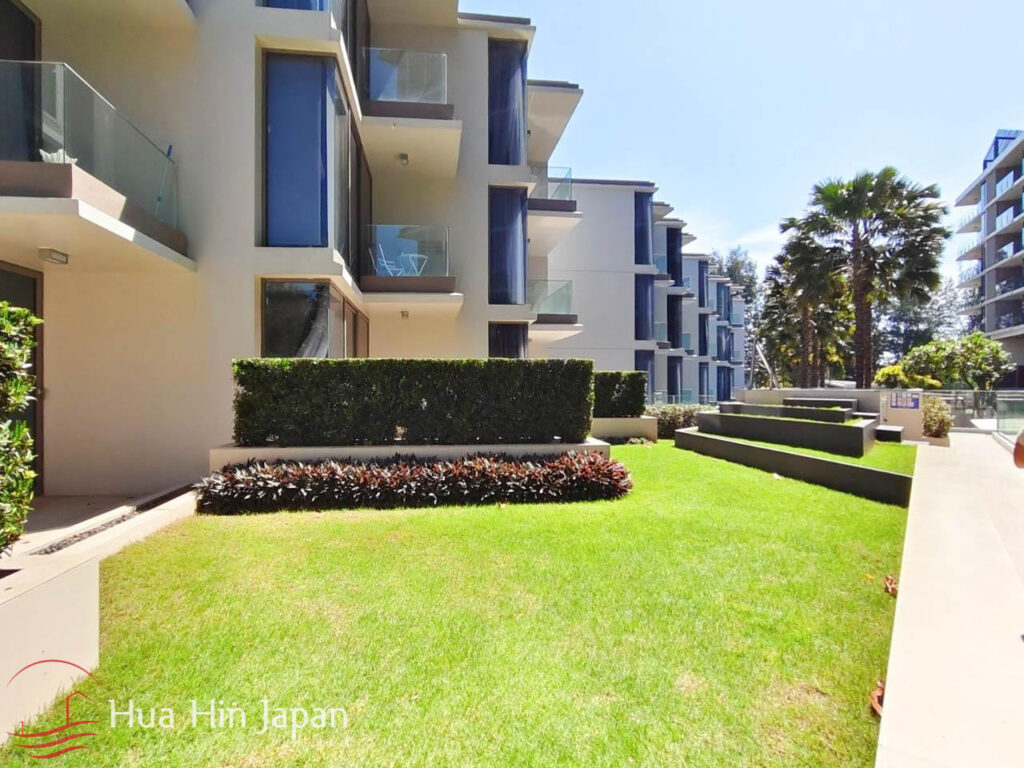
Studios and one-bedroom condos within walking distance of the beach, restaurants and markets earn the highest percentage yields in Hua Hin. Pool villas earn lower percentages but much higher monthly rents, and they attract longer stays from families and retirees.
After more than 20 years of matching landlords and tenants here, I find the easiest units to keep occupied are well-furnished one-bedroom condos close to everyday life: the beach, the night market and the restaurant streets around the Soi 88 area. Winter tenants who stay three to six months want to walk to dinner and to the sea, and they are happy to pay for that convenience. A unit that is clean, quiet and properly equipped will usually let again quickly, often to the same tenant the following year.
| Central Hua Hin: the most consistent demand year round, from walkability, beach access and nightlife. |
| Khao Takiab and Khao Tao: quieter beaches that appeal strongly to long-stay couples and retirees. |
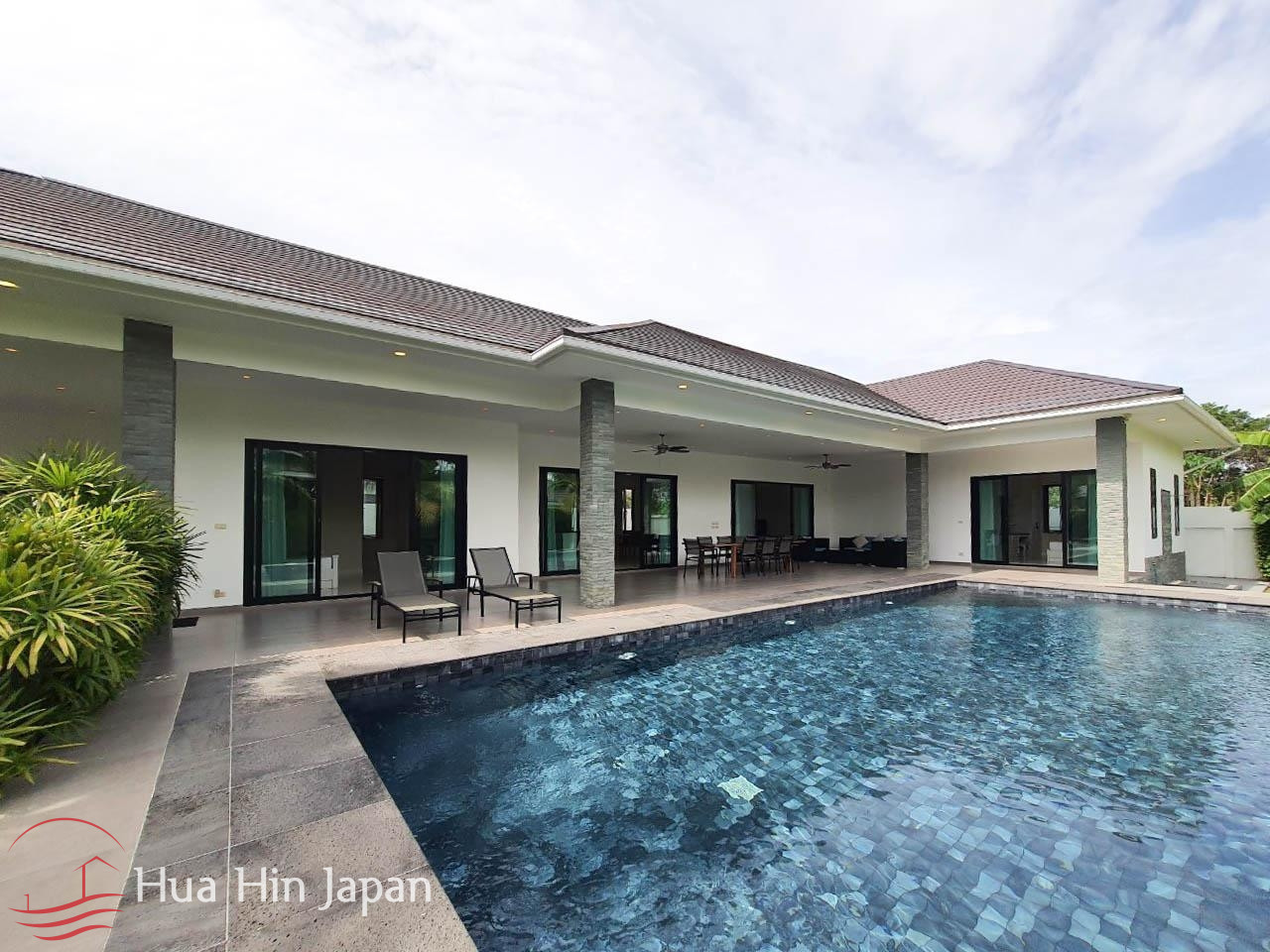
| West of Hua Hin: pool villa territory, with higher rents per month and longer family stays. |
If you are deciding between the two property types, our guide to luxury villas versus condos as an investment sets out the trade-offs in more detail.
Should you rent your Hua Hin property short-term or long-term?
Long-term leases of six to twelve months give most owners the steadiest net return in Hua Hin, with low turnover and little management. Short-term letting can earn more during the November to March high season, but it needs more work and must follow licensing rules.
Hua Hin’s rental calendar has two layers. From November to March, Scandinavian, German and other European visitors arrive for the winter, often booking months in advance. Through the rest of the year, Bangkok residents fill the town at weekends and on public holidays, which keeps short stays active even outside the high season.
Before choosing short stays, check the rules. Letting for periods shorter than 30 days generally requires a hotel licence under Thai law, and many condominium buildings ban daily rentals in their regulations. For most private owners, a long-term lease or a winter-season lease of several months is simpler and fully compliant. Our comparison of short-term versus long-term letting covers both routes.
What is driving rental demand in Hua Hin in 2026?
Rental demand in Hua Hin is being lifted by a government plan to position the town alongside Phuket and Ko Samui as a world-class destination, backed by work to reopen Hua Hin Airport to international flights. The focus is on higher-spending visitors, which suits landlords offering quality homes.
According to a Tourism Authority of Thailand feature on Hua Hin, the Tourism and Sports Minister visited Hua Hin and Cha-am in July 2026 to unveil the repositioning plan, with priority given to wellness tourism, sporting events and luxury hospitality. Runway expansion and terminal upgrades at Hua Hin Airport are targeted for completion by the end of 2026, and the government is courting airlines for direct routes from Kuala Lumpur, Taipei, Shanghai and Singapore. TAT has also signed a three-year partnership with Thai AirAsia under a “Value over Volume” approach that favours higher-spending travellers.
For landlords, better air links widen the pool of potential tenants, and a quality-first tourism strategy supports stronger rents. Combined with the steady growth described in our look at how Hua Hin’s property market has grown over the last five years, the outlook for rental demand is positive.
How can you maximise your rental return in Hua Hin?
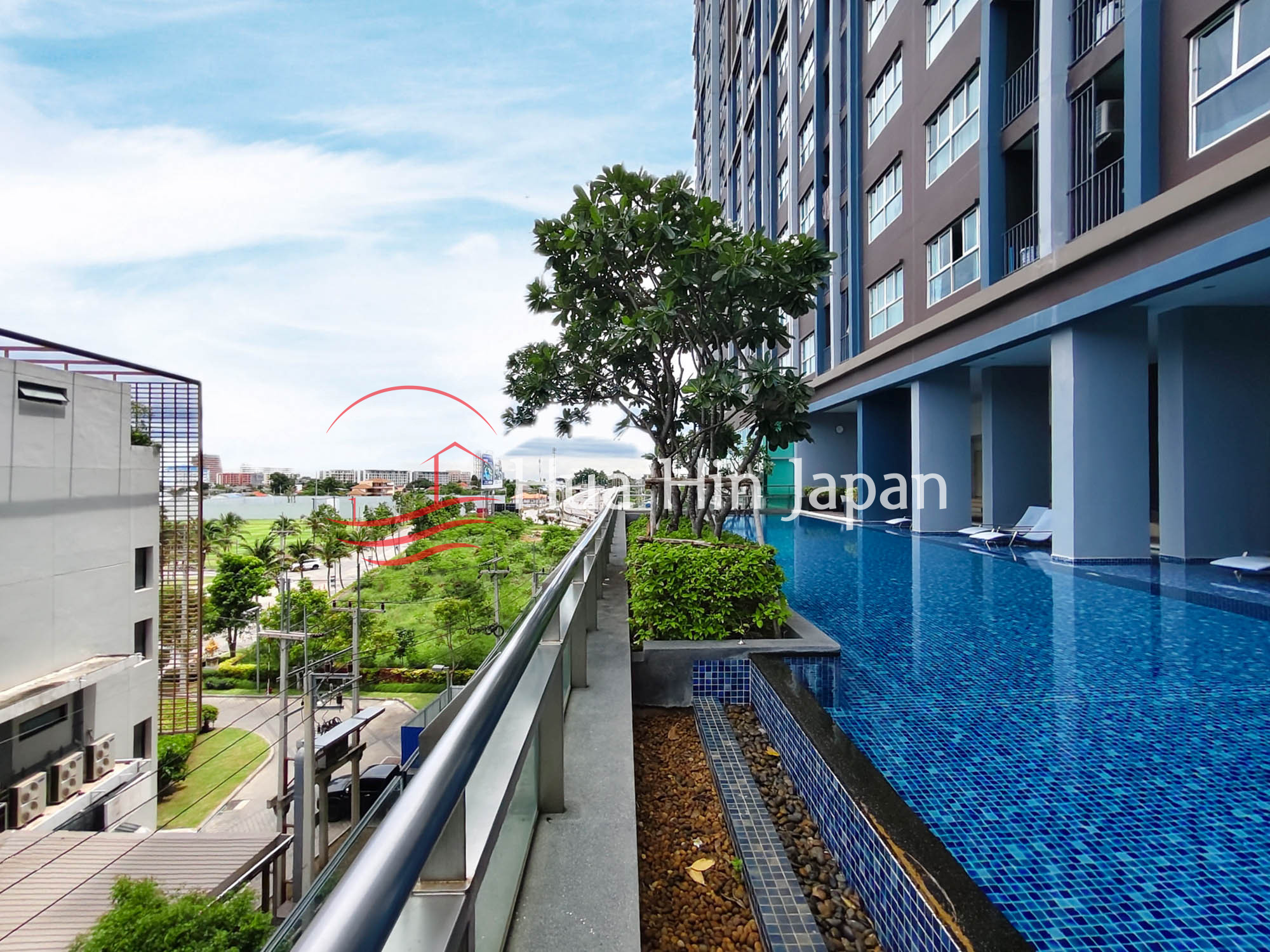
The biggest lever is buying at a price the local rent can support, then furnishing for long-stay tenants and listing before the winter season begins. Professional local management protects occupancy and the condition of the property while you are abroad.
The most common mistake I see is paying a large premium for a feature that tenants will not pay extra for, such as a slightly better sea view on a higher floor. The rent barely changes, so the yield falls. Before you buy, I always suggest working backwards: find out what comparable units actually rent for, then decide what price makes sense. Owners who furnish fully, include fast internet and have the unit ready to list by September or October are the ones who secure the best winter tenants.
|
Five habits of high-yield Hua Hin landlords
1. Check realistic rents for the building before agreeing a price.
2. Choose a completed building with proven rental demand.
3. Furnish for living, not just for photos: a good bed, a work desk and reliable Wi-Fi.
4. List by September or October to catch the winter season.
5. Use local management for tenant checks, maintenance and handovers.
|
A completed property also lets you see real rents in the building before you commit, a point we cover in off-plan versus completed property in Hua Hin. For the practical steps once you own, read our guide to renting out your Hua Hin property.
Frequently asked questions
Can foreigners legally rent out a condo in Hua Hin?
Yes. A foreigner who owns a condo freehold within the foreign freehold condo quota can lease it out, subject to the building’s own rules on rental periods.
Is rental income from a Hua Hin property taxed?
Yes, rental income earned from Thai property is taxable in Thailand. The amount depends on your residency status and allowable deductions, so confirm the details with a Thai accountant.
When is the peak rental season in Hua Hin?
The strongest months are November to March, when European visitors arrive for the winter. Weekend and holiday visitors from Bangkok keep demand active through the rest of the year.
Is a condo or a villa better for rental yield in Hua Hin?
Condos usually deliver a higher percentage yield because their purchase prices are lower. Villas earn more rent per month and attract longer family stays, which suits owners who want fewer tenant changes.
How long does it take to find a tenant in Hua Hin?
A well-furnished condo in a central location that is priced realistically usually lets quickly, especially if it is listed before the winter season. Units that are overpriced or poorly equipped take longer, whatever the season.
Can Hua Hin Japan help me find tenants for my property?
Yes. Hua Hin Japan handles long-term rentals and investment property for owners, with service in English and Japanese.
Conclusion: is buying property to rent out in Hua Hin worth it?
For buyers who want a steady, realistic income from a lifestyle destination, Hua Hin is a strong choice. A well-chosen condo can earn 5 to 7% gross and around 4.5 to 5.5% net, with demand supported by long-stay tenants and new investment in tourism.
The town’s advantages are a lower entry price, a loyal base of returning winter tenants and a government push to bring more international, higher-spending visitors. If you want to see how the numbers compare with other markets, our guide to how Hua Hin compares with Phuket is a good next read. Buy at the right price, furnish for long stays and let a local team handle the details, and your Hua Hin property can work for you every year.



 English
 Japanese
Join The Discussion