
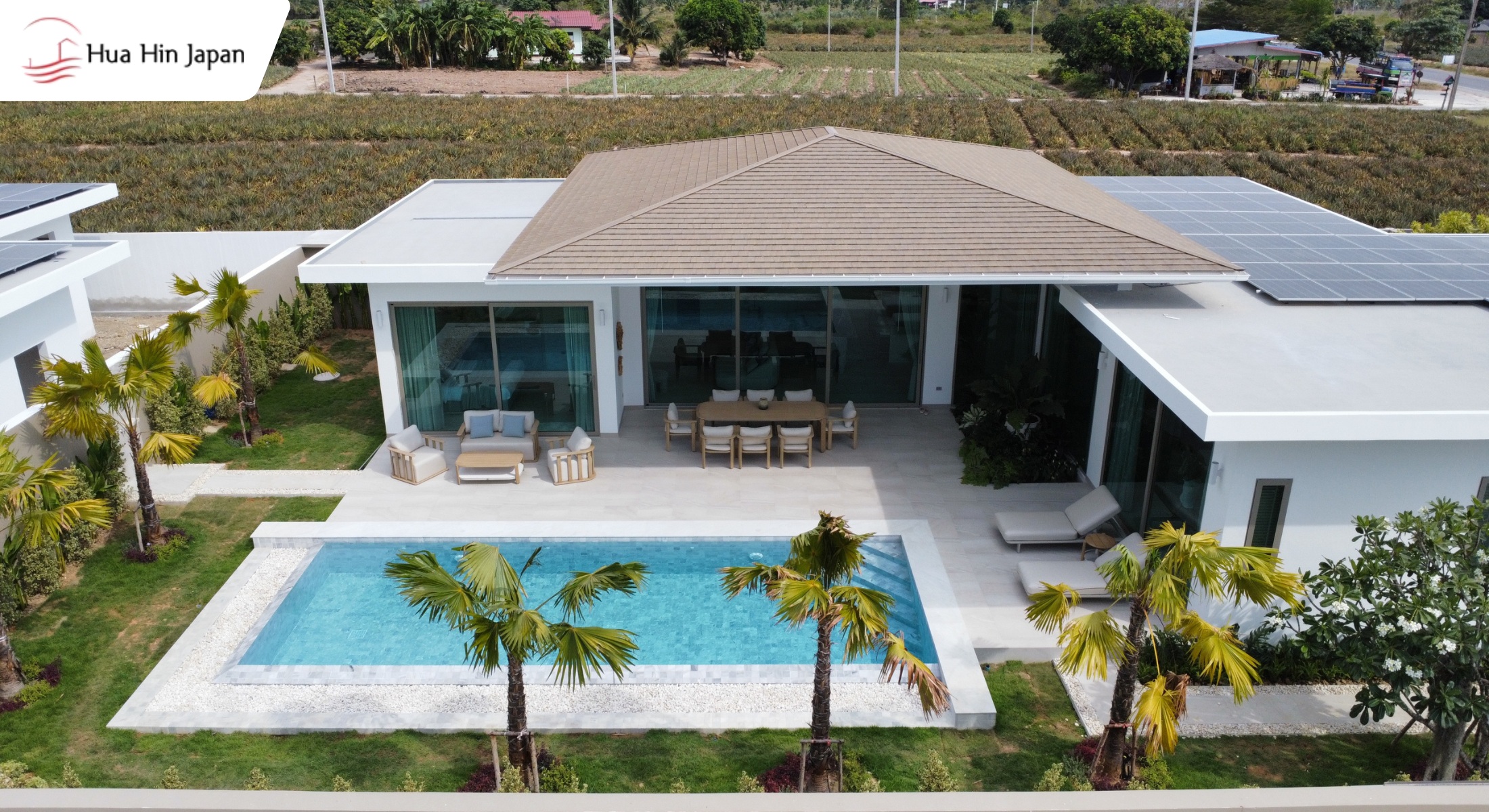
Completed property is the structurally safer purchase in Hua Hin because you inspect a finished home and take ownership at transfer. Off-plan can still be a smart buy, but its safety depends entirely on the developer and the contract, not on the marketing brochure.
That is the short answer. The longer answer matters, because the reasons off-plan carries more risk in Thailand are legal and specific, and the risks of completed property are real but almost never discussed. This guide covers both, with the Hua Hin market context you need to decide.
Table of Contents
Is off-plan or completed property safer in Hua Hin?
Completed property is safer for most buyers because every major unknown is removed: you can inspect the build quality, verify the title, confirm ownership eligibility, and move in or rent out immediately. Off-plan is safer than its reputation suggests, but only when the developer and contract are properly vetted.
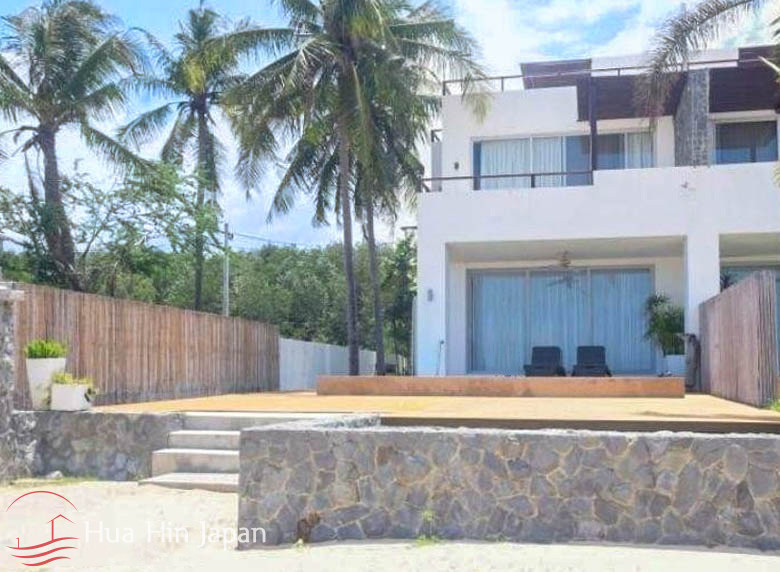
With a completed villa or condo, what you see is what you get. There is no construction timeline to slip, no artist’s impression to compare against reality, and no waiting period during which your money sits with a developer. The transaction is essentially a title check followed by a transfer.
Off-plan flips that equation. You are paying, in stages, for something that does not yet exist, based on plans and the developer’s promises. In exchange, you get lower entry pricing, first choice of units, staged payments spread over the construction period, and the possibility of capital growth before handover.
Neither option is universally right. The safer choice depends on how much verification you can do, how long you can wait, and how much execution risk you are willing to carry for a better price.
Why is off-plan riskier in Thailand than in many other countries?
Off-plan carries more risk in Thailand because escrow is voluntary here. Since the Escrow Act came into force in 2008, buyers and developers can agree to use a licensed escrow agent, but nothing forces them to, and most Hua Hin developers still take staged payments directly.
In many Western markets, deposits on unbuilt property sit in a protected account until handover. In Thailand, it remains common practice for developers to use buyer installments to help finance construction itself. Your reservation fee, contract payment, and progress payments typically go straight to the developer. If the project stalls or the developer fails, recovering that money means suing, not simply withdrawing from a protected account.
This is the structural reason why choosing a reputable developer is not generic advice in Thailand. The developer’s financial health is, in pr actice, the security behind your deposits.
Akemi Morihiro, owner of Hua Hin Japan, has been guiding international buyers through Hua Hin purchases since the agency was established in 2005, and treats the payment schedule as the first negotiation point in any off-plan deal. Her rule for clients is simple: the smaller the amounts committed before visible construction milestones, the smaller the exposure. A developer who insists on heavy upfront payments before breaking ground is telling you something about how the project is being financed.
If you are looking at a specific project, our step-by-step guide to buying an off-plan condo in Hua Hin walks through the full process from reservation to handover.
What are the real risks of buying off-plan in Hua Hin?
Three risks account for nearly every off-plan problem in Hua Hin: construction delay, deviation from the promised specification, and developer failure. All three are contract problems before they are construction problems, which means they can be reduced before you pay anything.
Construction delay is the most common. A delivery date slipping six or twelve months is an inconvenience if you are an investor, but a serious cost if you are renting while you wait to move in. A well-drafted sale and purchase agreement states the completion date and attaches a daily or monthly penalty the developer owes you for late delivery.
Specification deviation is quieter but frequent: cheaper fittings than the showroom, a different pool finish, a layout change. Protection comes from attaching a detailed specification annex to the contract so “as per plans” is not left open to interpretation.
Developer failure is the rarest and most expensive outcome. Your defenses are a refund-on-default clause in the contract, a developer with completed projects you can physically visit in Hua Hin, and verified ownership of the land the project sits on. Before signing anything, learn how to check a Chanote title deed in Thailand, because a developer selling units on land it does not cleanly own is the reddest flag there is.
Is completed property in Hua Hin risk-free?
No. Completed property removes construction risk, but foreign buyers still face ownership and paperwork risks at transfer. The most important one for condos is the foreign quota: under Section 19 of Thailand’s Condominium Act, foreigners may collectively own no more than 49 percent of the floor area in any condominium building.
In a popular completed building, that quota may already be full. Buying off-plan usually means quota is still available; buying completed means you must verify it before paying a deposit. Ask the building’s juristic person office for a dated letter confirming current foreign ownership, and have it re-confirmed close to your transfer date, because the number changes as other foreigners buy and sell.
Foreign buyers must also remit the purchase price into Thailand in foreign currency and obtain the bank’s Foreign Exchange Transaction paperwork, since the Land Office requires this evidence to register foreign ownership. Errors here, such as transferring in Thai baht or sending funds under the wrong name, can delay or block a transfer entirely.
For houses and villas the picture is different again, because land ownership rules apply instead of the condo quota. Our guide to foreign ownership of a house in Thailand explains the leasehold and structure options in plain language.
Finally, an older completed building deserves questions a new one does not: the health of the sinking fund, outstanding common fees on the unit, and the state of shared facilities. Completed does not mean checked.
How do prices compare between off-plan and completed property?
Off-plan buys you entry pricing and staged payments; completed buys you certainty and immediate rental income. In Hua Hin, developers typically price early off-plan phases below comparable finished stock, then raise prices as construction advances, so the discount is really payment for the risk you carry during the build.
| Factor | Off-plan | Completed |
| Entry price | Lowest, especially pre-launch and early phases | Higher, reflects zero construction risk |
| Payment structure | Staged over the build, smaller upfront | Full payment at transfer |
| Inspection | Plans, showroom, and renders only | Full physical inspection before you commit |
| Foreign quota (condos) | Usually available at launch | Must be verified, may be full |
| Rental income | Starts only after handover | Starts immediately |
| Unit choice | Best selection of floors and views | Only what remains or resells |
| Main risk | Developer execution and your staged payments | Overpaying, quota, building condition |
Where the numbers land depends on segment and location, and they move year to year. Our regularly updated Hua Hin property market report tracks current pricing by area and property type, and if you are budgeting, see what 5M, 10M, and 20M baht gets you in Hua Hin right now.
One more pricing nuance: the comparison is not only off-plan versus completed but also condo versus villa, because Hua Hin is unusual in offering both at similar yields. Our breakdown of villas vs condos in Hua Hin covers which suits investment versus lifestyle buyers.
How do you make an off-plan purchase in Hua Hin safe?
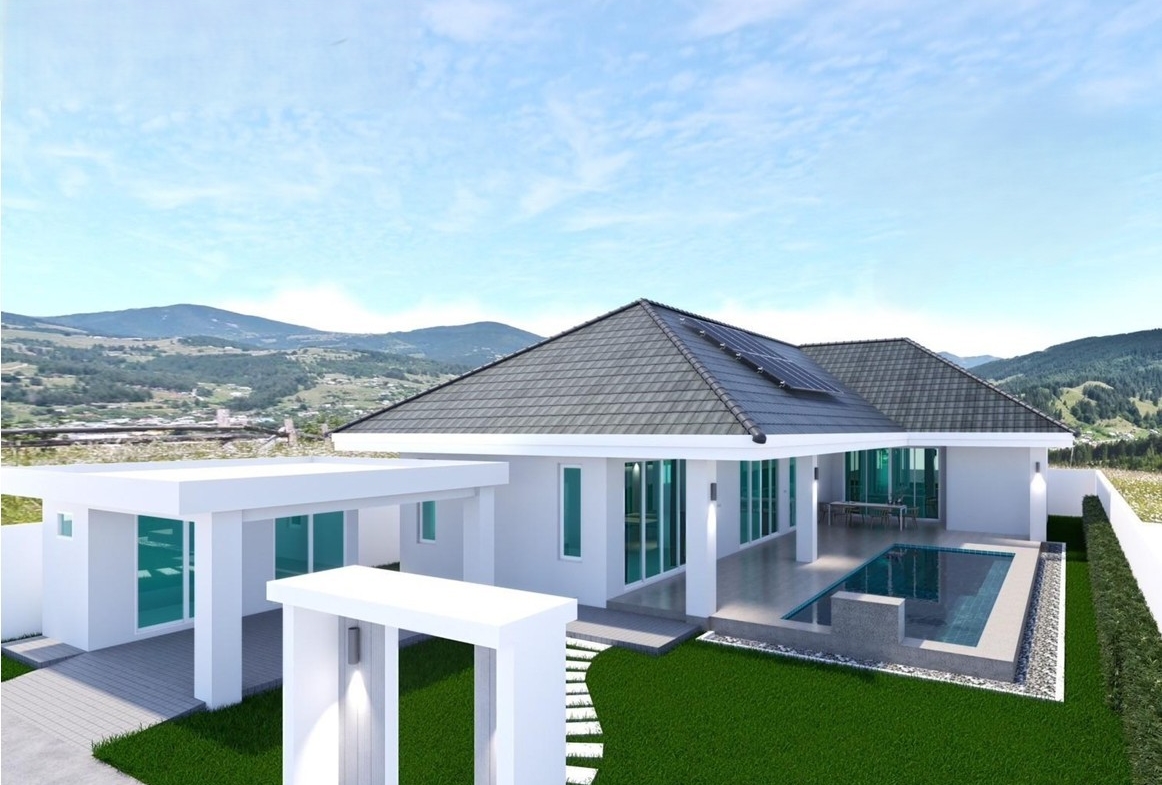
An off-plan purchase becomes safe through five checks done before signing: verify the developer’s delivered projects, verify the land title and permits, negotiate the payment schedule, demand delay and default clauses, and put the specification in writing. Skip any one of them and you are relying on luck.
In practice, that looks like this. Visit at least one project the developer has already completed in Hua Hin and look at how it has aged. Confirm the developer owns the land, and that building permits and, where required, environmental approvals exist. Push the payment schedule toward construction milestones rather than calendar dates, so money follows visible progress. Insist the contract contains a stated completion date with a late-delivery penalty and a clause returning your payments if the developer fails to deliver. Attach the full specification as a contract annex.
Having worked with Japanese and international buyers in Hua Hin for two decades, Akemi’s habit is to slow clients down at exactly the moment the sales office is speeding them up. Reservation deposits are designed to create urgency; her advice is that no genuinely good unit in Hua Hin is ever so scarce that it justifies signing before the developer’s track record and land documents have been independently checked. The buyers who get into trouble are almost never the ones who asked too many questions.
You can also ask whether the developer will agree to an escrow arrangement for your payments. Most in Hua Hin will decline, but the answer itself is useful due diligence: a developer with solid financing loses little by agreeing.
Frequently asked questions
Is off-plan property in Hua Hin safe? It can be, but safety comes from the developer’s track record and the contract rather than the project itself. Verified land title, milestone-based payments, and delay and refund clauses remove most of the real risk.
Can foreigners buy off-plan property in Thailand? Yes. Foreigners can own condo units outright within the 49 percent foreign quota of a building, and off-plan purchases at launch usually have quota available.
What happens to my deposit if a Hua Hin developer fails? Unless you agreed an escrow arrangement, staged payments go directly to the developer, so recovery depends on your contract’s default clause and, ultimately, legal action. This is why developer vetting matters more in Thailand than in markets where deposits are protected by law.
Which is better for rental income, off-plan or completed? Completed property wins on income because rent starts immediately, while off-plan produces nothing until handover. Investors buying off-plan are trading one to three years of income for a lower entry price; our guide to short-term vs long-term rental in Hua Hin covers what that income looks like.
Do off-plan buyers really get a discount in Hua Hin? Generally yes, with the largest gaps at pre-launch, narrowing as construction progresses. Treat the discount as compensation for construction risk rather than free money, and compare it against finished resale stock in the same area before assuming it is a bargain.
Should I use a lawyer for either type of purchase? Yes, for both. Off-plan needs contract review before any payment beyond a small reservation fee, and completed property still needs title, quota, and encumbrance checks before transfer.
Conclusion: which should you buy in Hua Hin?
Choose completed property if certainty is your priority: you can inspect everything, income starts immediately, and the main risks are checkable in a week of due diligence. Choose off-plan if you want the best unit selection and entry price and are prepared to vet the developer and contract properly, because in Thailand your staged payments are only as safe as the company holding them.
For most first-time foreign buyers in Hua Hin, a completed home from a reputable project is the lower-stress route. For buyers who have time, local guidance, and a long horizon, well-chosen off-plan remains one of the better value entries into this market. Either way, the safety is not in the property type. It is in the checking.
Hua Hin Japan has been matching international buyers with the right Hua Hin property since 2005, in English and Japanese. If you want a second opinion on a specific project, off-plan or completed, contact Akemi and the team before you sign anything.

 English
  Japanese
Join The Discussion