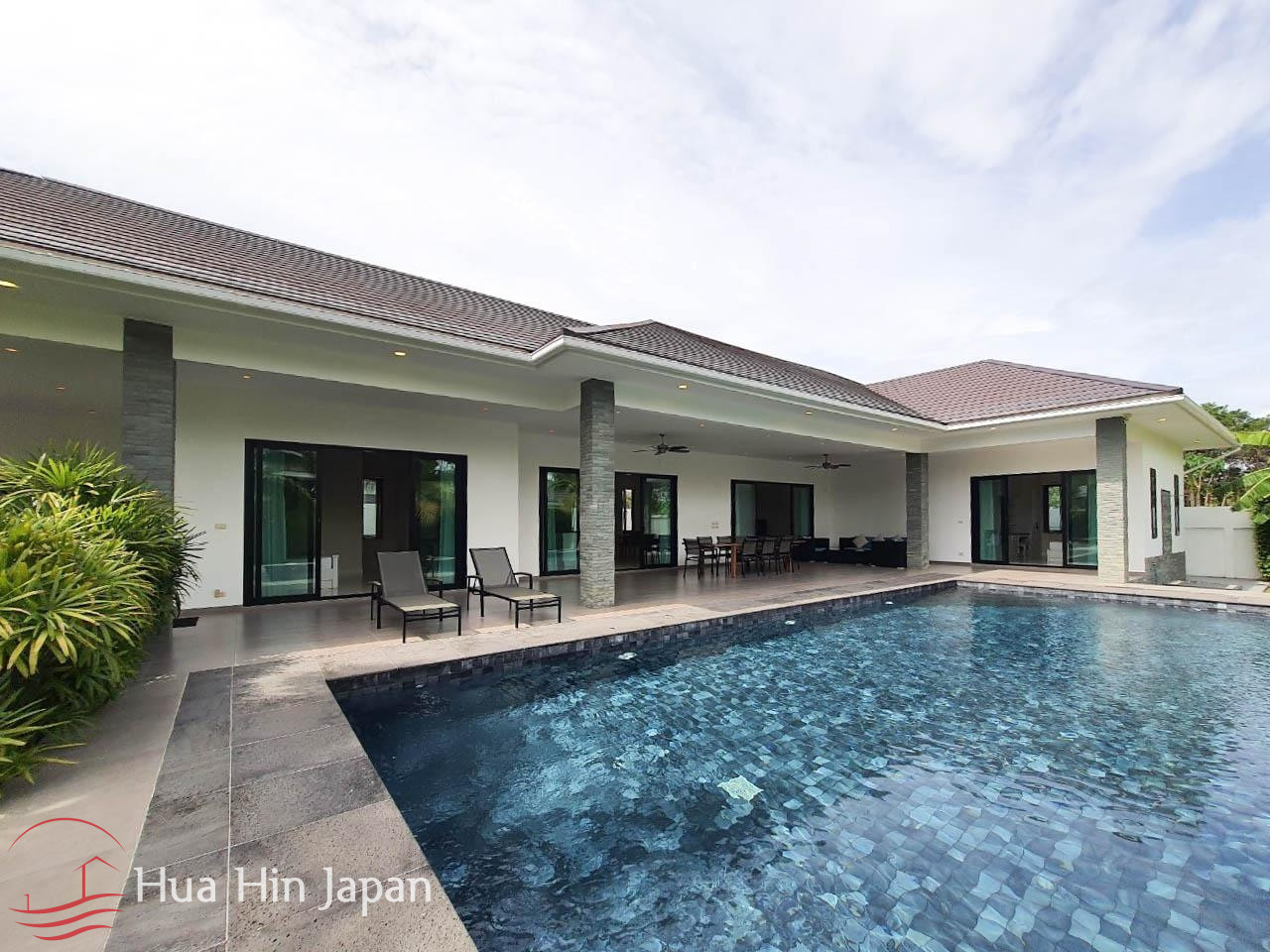


Hua Hin, with its stunning beaches, vibrant expat community, and relaxed lifestyle, is a dream destination for many seeking a coastal haven. Whether you’re an expat planning to relocate, an investor scouting for opportunities, or someone thinking of buying a vacation or rental property, Hua Hin offers plenty of allure. However, making the most of what this picturesque town has to offer requires careful planning and informed decisions.
Before you jump in, it’s essential to understand the key pitfalls to avoid when buying property or moving to Hua Hin. From legal complexities to hidden costs, being prepared can save you a lot of time, money, and stress. Here’s your guide to navigating the Hua Hin property market and living experience with confidence.
1. Skipping Due Diligence and Title Verification
One of the biggest mistakes property buyers in Hua Hin make is neglecting proper due diligence and title verification. These steps are crucial to ensure your investment is legally sound and free of complications.
Why It’s Important:
- Verifies ownership and prevents disputes.
- Ensures there are no mortgages, liens, or encumbrances attached to the properties for sale in Hua Hin.
- Confirms compliance with zoning laws and local regulations.
Imagine purchasing your dream property, only to discover too late that legal complications make it impossible to use or resell. Engaging a qualified lawyer to review documents and conduct a title search at the local Land Office can safeguard your investment.
2. Buying from Unreliable Developers
Not all developers in Hua Hin are equal. While many reputable companies offer excellent properties, there are also inexperienced developers whose projects suffer from delays, poor construction quality, or even incompletion.
How to Avoid This:
- Research the developer’s track record and visit previous projects.
- Read reviews or talk to previous buyers to assess satisfaction levels.
- Work with a trusted real estate agent who knows the local market.
Buying from unreliable developers not only risks financial loss but can also leave you dealing with endless frustrations long after the purchase.
3. Ignoring Foreign Ownership Restrictions
Thailand has stringent laws regarding property ownership by foreigners, which can make the process challenging for non-residents. Foreigners are not allowed to own land outright under Thai law. However, there are alternatives available. One option is entering into a long-term leasehold agreement, typically lasting up to 30 years and renewable under certain conditions. Another common route is condominium ownership, as foreigners can own up to 49% of the units in any given building. Additionally, some choose to establish a Thai company as a structure to purchase land, though this requires compliance with strict regulations to ensure legality. It’s important for foreigners to fully understand these options and seek legal advice before making property investments in Thailand.
Key Points to Remember:
- Leaseholds typically last up to 30 years and can be renewed.
- Condos are the simplest option for foreign buyers in Hua Hin.
- Using a company to purchase land comes with legal complexities and risks.
Ignoring these restrictions can lead to legal disputes or, worse, losing your investment. Consulting with a lawyer experienced in foreign ownership laws in Thailand is a must for navigating this process.
4. Overlooking Hidden Costs
The excitement of buying property can sometimes overshadow the additional expenses involved. Beyond the listed price, unexpected costs can quickly add up.
Examples of Hidden Costs:
- Transfer fees and taxes, including withholding taxes, business taxes, or capital gains taxes that may apply during the sale or transfer of property ownership. These can quickly add up, especially if you’re unaware of the local tax regulations.
- Maintenance fees for gated communities or condominiums, which often cover amenities like security, landscaping, and shared facilities but can vary significantly depending on the property and location.
- Sinking funds required for future building repairs, which are set aside by property management to cover major repairs or upgrades, such as roof replacements or structural improvements, that may arise over time.
To avoid surprises, it’s crucial to carefully review all contracts and agreements. Ask for a clear, itemized breakdown of costs, including recurring fees and one-time charges, before making any financial commitments. Being informed upfront can save you from unexpected expenses in the future.

5. Not Considering the Neighborhood and Future Developments
While Hua Hin’s charm is undeniable, the location of your property greatly influences its value and livability.
Things to Research:
- Nearby construction projects that could create noise, disturb your peace, or block your views. Check if there are plans for high-rises, highways, or other disruptive developments.
- Access to essential services like roads, supermarkets, schools, and hospitals. A property in a well-connected area with easy access to daily necessities will save time and improve convenience.
- Future developments that might alter the area’s appeal, such as new shopping centers, parks, or industrial projects. While some developments can enhance property value, others might detract from it.
Spending time exploring the neighborhood, talking to locals, and checking city planning websites for upcoming projects can provide valuable insights. This research helps you choose a property that not only retains its value but also fits your long-term lifestyle and needs.
6. Neglecting Infrastructure and Environmental Factors
Hua Hin’s laid-back lifestyle comes with unique challenges, particularly in terms of infrastructure and environmental factors.
Potential Issues:
- Seasonal flooding in certain areas, particularly during heavy rains, which can lead to property damage and accessibility challenges. It’s important to evaluate the property’s location and infrastructure to mitigate these risks.
- Unreliable water and electricity supply in less-developed locations, which may require additional investments in backup systems such as generators, water tanks, or solar panels to ensure consistent living standards.
- Varying air quality based on seasonal changes, especially in urban or industrial areas where pollution levels might fluctuate. This can impact health and overall comfort, so understanding the local environment is essential.
For those planning to rent out properties, fluctuations in tourist seasons can significantly affect rental yield, with high demand during peak seasons and slower periods in off-seasons. Carefully researching the local rental market and diversifying income strategies can help address these challenges. All these factors are crucial to consider when evaluating properties for rent in Hua Hin for purchase or investment.
7. Failing to Use Professional Assistance
Going through the buying process without professional help is a risky move. Many buyers try to save money but end up making costly mistakes.
Who to Hire:
- A reputable real estate agent with local expertise in Hua Hin property: Look for someone who understands the market trends, neighborhoods, and property values in Hua Hin. A knowledgeable agent can guide you through the buying process, provide insights on the best investment opportunities, and help negotiate favorable terms.
- A qualified lawyer to review contracts and verify legal compliance: It’s crucial to hire a lawyer who specializes in Thai property law. They can thoroughly review contracts, ensure all documents are in order, and confirm that the property complies with local regulations.
These professionals are essential for mitigating risks, ensuring smooth transactions, and providing clarity on the legal and logistical complexities of property ownership in Hua Hin.
8. Underestimating Maintenance and Fees
Owning property doesn’t end with the purchase. Maintenance and operational costs can add up over time, especially for high-end properties or those in gated communities.
Costs to Consider:
- Monthly maintenance fees for shared spaces like pools, gyms, and communal gardens. These fees help ensure that shared amenities are well-maintained and in good condition for all residents to enjoy.
- Contributions to sinking funds for future property repairs, such as replacing the roof, upgrading elevators, or addressing structural issues. These contributions are typically collected over time to cover large, unexpected costs.
Budgeting for these ongoing expenses is essential to avoid financial strain and ensure you’re prepared for both regular upkeep and bigger repairs down the line.

9. Not Understanding Local Laws and Regulations
Thailand has specific real estate and property laws that may differ significantly from your home country.
Important Areas to Check:
- Zoning laws that dictate land use: These laws determine how the property can be used, such as whether it’s designated for residential, commercial, or mixed-use purposes. Violating zoning laws can result in fines or restrictions on property use.
- Building permits required for alterations or renovations: Any modifications to a property, from small renovations to major structural changes, typically require approval from local authorities. Without the proper permits, you may face legal penalties or be forced to reverse the changes.
- Inheritance laws for passing on property: These laws govern how property is transferred after the owner’s death, including taxes, rights of heirs, and the validity of wills. Misunderstanding these laws can create legal battles among family members.
Failure to understand and comply with these regulations can lead to costly disputes, delays, or even loss of property rights. It’s essential to research and follow local requirements to avoid future complications.
Secure Your Investment in Hua Hin
Hua Hin offers a unique blend of tranquility, affordability, and a thriving property market. To make the most of your investment and living experience, avoid the pitfalls mentioned above by taking the following steps:
- Conduct thorough due diligence and title verification.
- Partner with reliable developers and real estate professionals.
- Understand the local laws governing foreign ownership in Thailand.
- Budget for all upfront and hidden costs, including maintenance and community fees.
By staying informed, planning wisely, and seeking expert guidance, you’ll set yourself up for a successful property investment and an enjoyable life in Hua Hin.



 English
  Japanese