
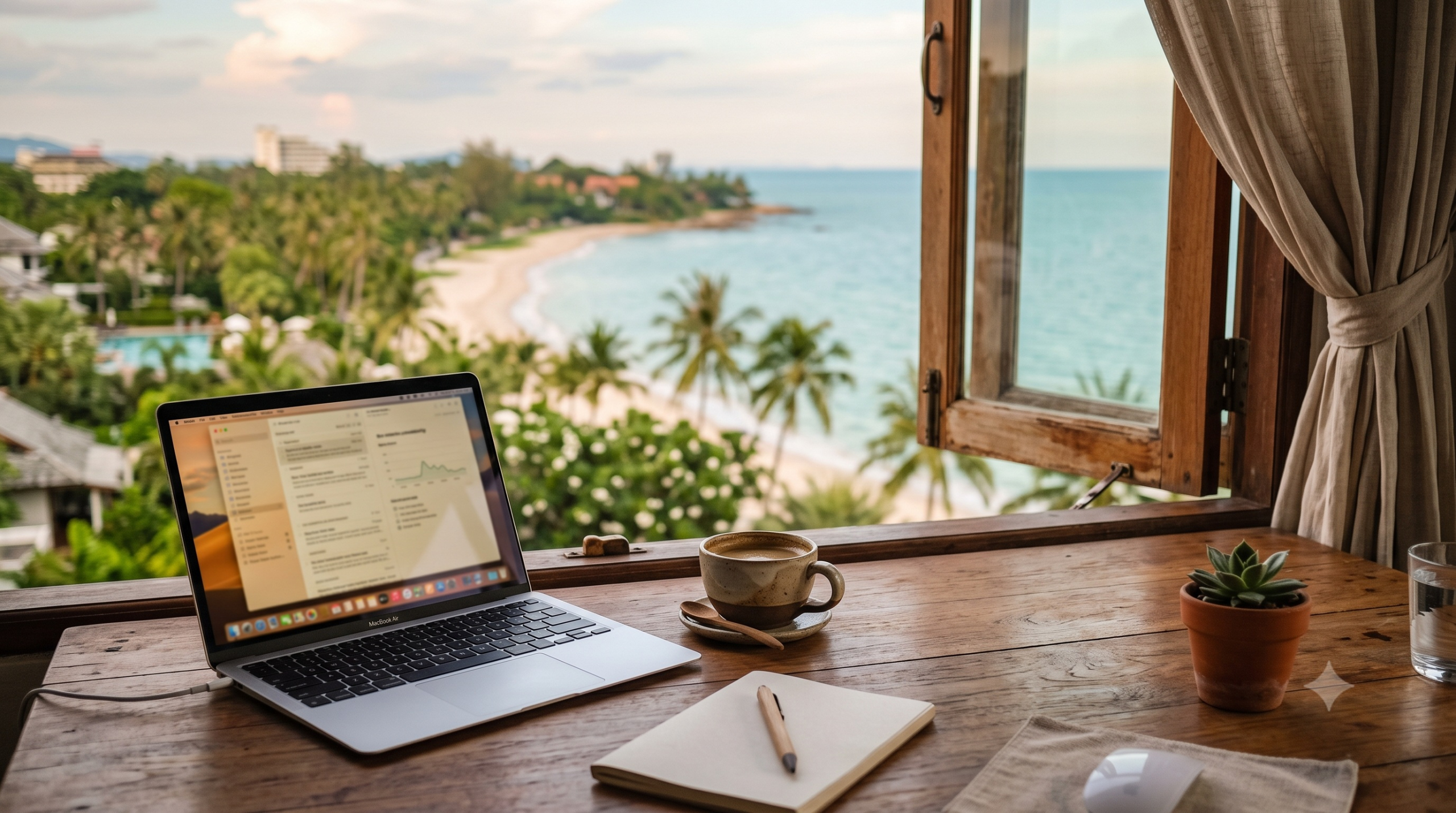
当社のクライアントのうち、 ホアヒン・ジャパンに暮らす人々は、もはや定年退職者ではありません。彼らは30代や40代で、母国の企業でリモートワークをしたり、オンラインで自分のビジネスを営んだりしている人々であり、ここに定住する前に、ある一点を知っておきたいと考えています。 長期賃貸か購入か ここで疑問が湧きます。「この町で実際に仕事をこなせるのだろうか?」私はホアヒンで十分に長く暮らし、働いてきたので、ガイドブックでは通常省略されがちな点も含めて、率直な答えをお伝えできます。手短に言えば、ホアヒンはリモートワークの拠点として実に適した場所ですが、契約を結ぶ前に知っておくべき2つの重要な注意点があります。.
目次
ホアヒンのインターネットの速度は、実際どれくらい速いのでしょうか?
ホアヒンの市街地における光ファイバーインターネットの通信速度は、通常100~200 Mbpsで、ビデオ通話、大容量ファイルのアップロード、ストリーミングを同時に利用するには十分すぎるほどです。タイ 固定ブロードバンドの通信速度において、世界第13位となっている, 、平均ダウンロード速度は200 Mbpsを超えているため、これは単なる幸運な例外ではなく、全国的な基準値と言えます。モバイルデータ通信もその不足分を十分に補っています。町の中心部やペットカセム通り沿いでは、4Gおよび5Gの通信状況が十分に良好で、必要であればビーチチェアに座ったままでも仕事ができるほどです。.
私はここにある自分のマンションから毎日、顧客との通話やファイル転送を行っていますが、3年以上経った今でも、本当に業務に支障をきたすほどの速度低下は片手で数えられるほどしかありません。日常業務において、速度が問題になることは、人々が予想するようなことは一度もありませんでした。.

停電になると、インターネットはどうなるのでしょうか?
これは、ほとんどのガイドが触れない正直な部分です。ホアヒンの弱点は帯域幅ではなく、短時間の停電です。停電は時折発生し、通常はメンテナンス作業や嵐の際に起こります。停電が起きると、光回線のプランがどれほど高速であっても、ルーターの接続が切れてしまいます。 これは確かに不便ですが、致命的な問題というわけではありません。解決策も簡単です。ルーターとノートパソコンの充電器用に小型のUPS(無停電電源装置)を用意すればよいのです。費用は数千バーツ程度ですが、作業データを保存し、モバイルホットスポットに切り替えるのに十分な稼働時間を確保できます。.
これをあらかじめ知っておけば、もはや驚きではなく、セットアップのチェックリストの単なる項目の一つに過ぎなくなります。これは、どこの地域であれ、家を借りたり購入したりする人が、その地域の公共料金の特有の事情に合わせて計画を立てるのと同じことです。.
コワーキングスペースは必要なのか、それとも自宅やカフェで仕事をするだけで十分なのか?
ホアヒンには、チェンマイやバンコクのような大規模なコワーキングシーンはありません。これは、到着してから気づくよりも、あらかじめ知っておく価値があります。その代わり、ノートパソコンで仕事をする人々を温かく迎え入れる充実したカフェ文化があり、さらに本格的なホームオフィスを整えるという選択肢もあります。実際、この地で長期的にリモートワークを行う人々の多くは、結局その道を選ぶことになります。.
| セットアップ | 標準速度 | 月額費用 | 最適 |
| 在宅勤務(光回線完備のマンションまたは一戸建て) | 100~200 Mbps | 家賃に含まれるもの | 毎日のビデオ通話、集中して取り組むディープワーク |
| カフェ | 50~200 Mbps(場所によって異なります) | 2、3時間おきにコーヒーを1杯 | バラエティ、短時間のセッション、気軽な集まり |
| コワーキングスペース | 100 Mbps以上 | 1日パスは1日あたり数百バーツ | 時折の利用、クライアントと直接会う場合 |
長期的にこのスタイルを続ける人にとっては、信頼性の高い光回線を自宅に導入した環境が有利になりがちです。その主な理由は、通話ごとに机や椅子、背景が、前回そのままの状態に保たれるからです。また、ここが 長期賃貸と購入のどちらを選ぶか これが重要になってきます。というのも、数ヶ月おきに引っ越しをしなくなれば、安定した在宅オフィスを整えるのがずっと簡単になるからです。.
インターネットの品質は、どのマンションや別荘を選ぶかによって変わるのでしょうか?
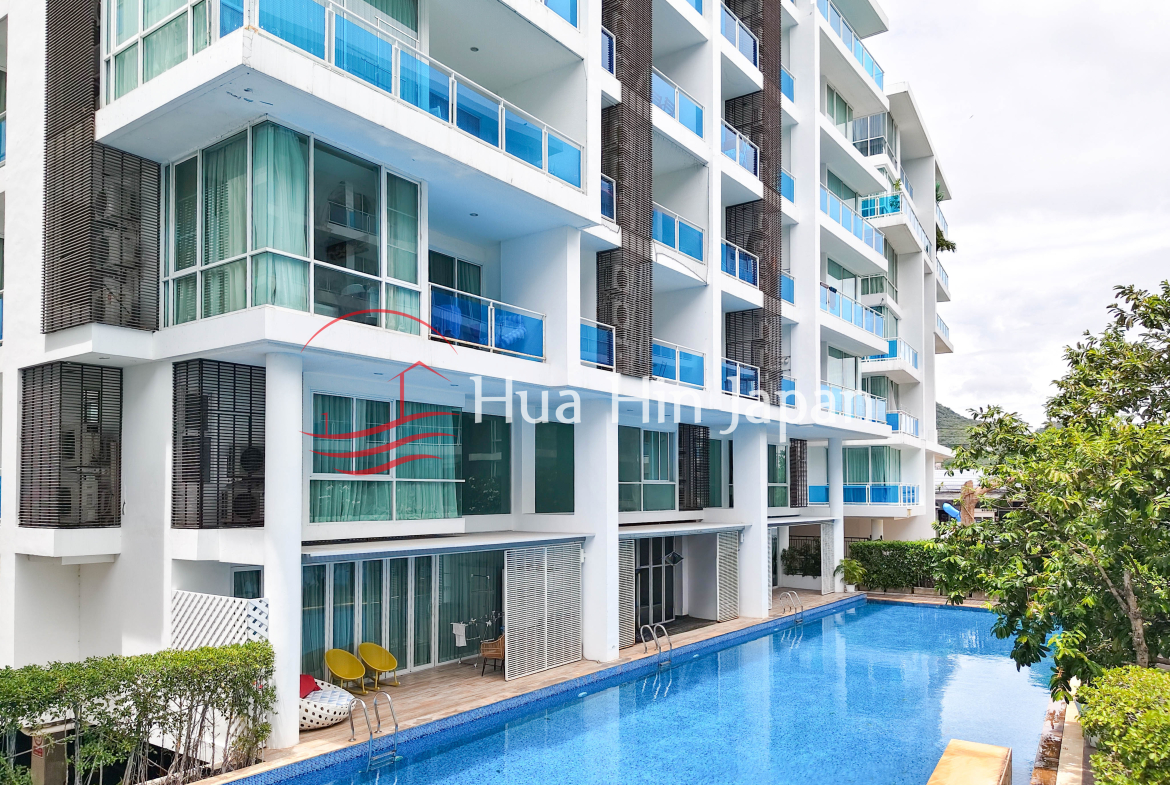
はい、これは私がクライアントに賃貸契約や購入契約に署名してもらう前に、必ず指摘している点です。新しい建物、一般的に2020年頃から完成したものは、標準で光ファイバー回線が敷設されています。 一方、一部の古い建物、特に2018年以前に建てられたものの中には、低速なADSL接続しか対応していないものもあり、ビデオ通話には不向きです。.
以前、まさにこのようなケースでクライアントをサポートしたことがあります。紙面上では完璧に見える、素敵で価格も手頃な築年数の経ったコンドミニアムでしたが、確認してみるとADSL接続しかなく、ユニットまで光ファイバー回線が全く引かれていなかったのです。 そこで、私たちは単に、近くにあり、すでに光回線が敷設済みの新しい物件に移行しただけで、クライアントはその後、その件について二度と考える必要がなくなりました。契約を決める前に5分程度確認するだけで、その後の数ヶ月にわたるイライラを回避できます。もしあなたが検討中なら、 タウンハウス対別荘, 、あるいは……を眺めたり、 未完成分譲マンションの購入, 、これは、以下のような通常の確認事項と並んで、私たちが常に開発業者や家主に対して直接確認している事項の一つです。 チャノート権利証書の確認.
タイからリモートワークをするのは合法ですか?
はい、その…… タイへの渡航ビザ, 、通称「DTV」。これは5年間の複数回入国ビザであり、1回の入国につき最大180日間の滞在が可能で、1回の入国につき1回に限りさらに180日間延長できます。タイ国外から収入を得ているリモートワーカー、フリーランサー、デジタルノマドのために特別に設計されたものです。 収入源が国外にあるため、この種のリモートワークにはタイの就労許可は不要です。.
DTVが他の長期滞在プランとどのように異なるかについての詳細な比較については、当社のガイドをご覧ください。 タイに長期滞在するための最適なビザの選択肢 手順を一つひとつ詳しく解説しています。.
よくある質問
ホアヒンのインターネット環境は、毎日のビデオ通話やZoom会議を行うのに十分でしょうか?
はい。ほとんどの都市部では、100~200 Mbpsの光回線速度があれば、ビデオ通話や画面共有、同時アップロードも遅延なく快適に利用できます。.
予備の通信手段として、タイのSIMカードは必要ですか?
これは賢く、低コストな安全策です。AISやTrueのデータプラン付き現地SIMカードがあれば、ごく稀に発生する光回線の障害や停電の際にも、モバイルホットスポットとして利用できます。.
賃貸や購入の前に、その物件に光ファイバーが引かれているかどうかを確認するにはどうすればよいですか?
その建物にどのプロバイダーがサービスを提供しているかを、大家さんやデベロッパーに直接尋ね、ADSLではなく光回線であることを確認してください。弊社では、内見の予約を入れる前に、すべてのお客様についてこの点を確認しています。.
自営業や個人事業主の場合でも、DTVビザを取得することはできますか?
はい、DTVはまさにこの層を対象に設計されており、タイ国外のクライアントや企業から収入を得ているフリーランサー、リモートワーカー、事業主などを対象としています。.
ホアヒンは、バンコクやチェンマイに比べてリモートワークに適しているでしょうか?
それは、何を重視するかによります。ホアヒンは、コワーキングスペースの充実度を多少犠牲にする代わりに、低コスト、ゆったりとした生活リズム、そしてビーチへのアクセスを提供しており、共有ワークスペースよりも自分だけのワークスペースを構築することを好む人々に適しています。.
ホアヒンに移住する際、リモートワーカーが犯しがちな最大の過ちは何ですか?
すべての物件でインターネットの品質が同じであると仮定した場合、光回線が整備された新築物件と、ADSLのみの古い物件との間の格差は、契約前に確認し忘れてしまう人が最も多い点です。.
結論
ホアヒンは、リモートワークの拠点として確固たる評判を築いています。インターネットの速度は実に速く、モバイル通信のバックアップも万全です。DTVビザのおかげで滞在は合法かつスムーズに行えます。また、計画を立てる際に考慮すべき2つの点、つまり時折発生する停電と光ファイバーが整備された物件の選択については、一度知っておけばどちらも簡単に対処できます。 この移住を真剣に検討している方へ、当サイトのガイドでは ホアヒンでの外国人居住者の実際の生活とは 当サイトの記事と併せて、次に読むのにぴったりの一冊です。 生活費の内訳 毎月の予算を立てるために。.
お仕事に欠かせない通信環境がすでに整った物件をお探しなら、当社のチームが huahinjapan.com 当社がご紹介するすべての物件について、光回線の利用可否を確認していますので、お客様が後で痛い目を見るようなことはありません。.

 Japanese
  English
ディスカッションに参加する