
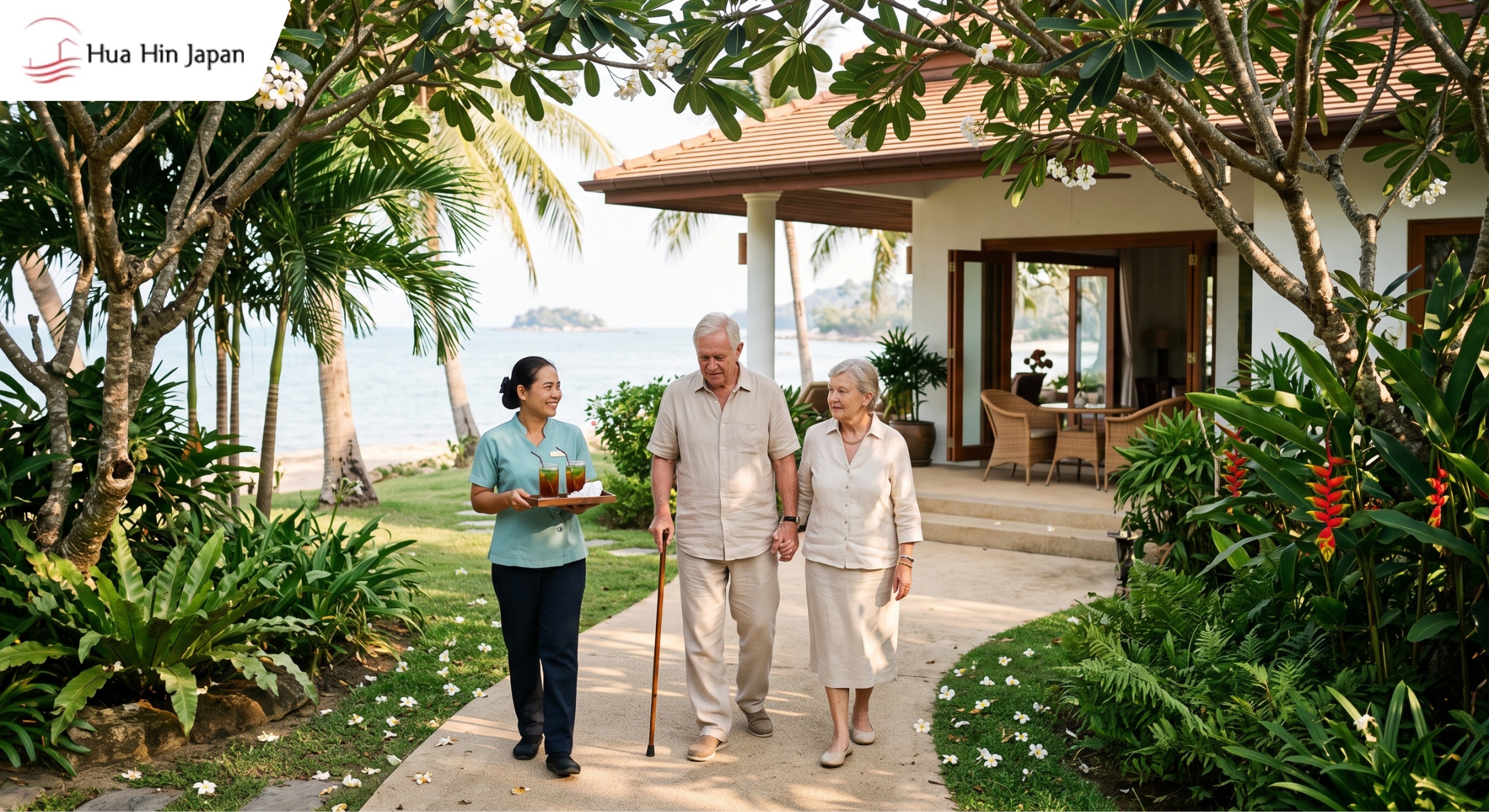
Hua Hin has quietly become one of the most complete places in Thailand to grow older as a foreigner. Within a short drive of the beach you will find an internationally accredited private hospital, senior residences with nursing staff on site, and home-care nurses who visit you in your own condo or villa. For families weighing care for a parent, and for retirees planning ahead, the town offers something rare: care that fits around a real home by the sea rather than replacing it.
Below you will find the care models available in Hua Hin, what they cost, how care quality is regulated in Thailand, which visa and insurance rules apply, and how to choose a property that keeps you comfortable for decades.
Table of Contents
Is Hua Hin a good place for older expats who need care?
Yes. Hua Hin combines an internationally accredited private hospital, a second private hospital, a low-cost public hospital, purpose-built senior residences and in-home nursing within one compact coastal town, at monthly costs well below those of Western care homes.
Most of what an older resident needs sits along or near Phetchakasem Road, the town’s main north to south artery. Bangkok Hospital Hua Hin holds Joint Commission International accreditation, San Paulo Hospital has served the town for decades, and primary care clinics built around the international community offer family-doctor continuity and home visits. Our full guide to healthcare in Hua Hin covers each facility in detail.
The setting matters as much as the medicine. Hua Hin is calm, walkable in its central areas and free of the seasonal smoke that affects northern Thailand. Bangkok’s specialist hospitals are about three hours away when something truly complex is needed. Long-established Scandinavian, German and Japanese communities in Hua Hin mean that newcomers, and the families visiting them, find friendly faces and practical advice quickly.
Culture plays a part too. Respect for elders runs deep in Thai society, and that warmth shows in how caregivers treat residents. Thailand officially became an aged society in 2022, and the elderly care sector has grown steadily to meet that demand, which benefits international residents as well.
What types of assisted living and nursing care are available in Hua Hin?
Older expats in Hua Hin choose between three main models: a care residence with meals and nursing included, a serviced retirement condo with on-call medical staff, or their own rented or owned home with a private caregiver. Many people move between models as their needs change.
Care residences
Care residences provide a private room or apartment, three meals a day, housekeeping and staff on hand, all for one monthly fee. Elder Blossom in Hin Lek Fai, for example, includes utilities, meals, twice-weekly room cleaning, linen laundry and a shuttle into town. In Pranburi, just south of Hua Hin, the Blue Lotus campus offers supported living in seafront gardens for stays of 30 days or longer, with specially trained staff. Lotuswell takes a more active approach, as a resort-style senior residence for around 200 retirees set on roughly 35 hectares.
Serviced retirement condos
Serviced retirement condos let you own or rent your own unit while enjoying hotel-style services and medical support. Sunshine International Residences in Hin Lek Fai is the best-known example, with a medical team on call around the clock, regular health checks, a restaurant, a shuttle into town and help with visa paperwork. The developer has said it aims to hold registration across residential, nursing and dementia care. For buyers, this model combines property ownership with peace of mind.
Your own home with a caregiver
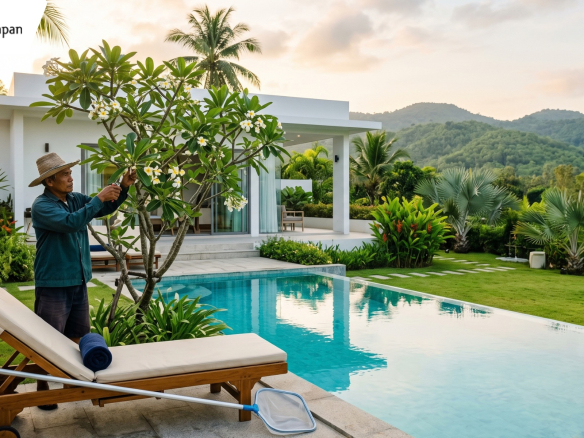
Many residents prefer to stay in a condo, townhouse or villa they love and bring care to them. A caregiver or nurse can be hired through a nursing agency or directly, and clinics in Hua Hin offer home visits for routine checks. Household help is affordable here, as our breakdown of what a maid, gardener and pool cleaner cost in Hua Hin shows, so a care team can include cleaning and cooking support as well.
| Care model | Level of care | Typical monthly cost | Best for | Housing route |
| Care residence | Daily support, meals, staff on site | About ฿30,000 to ฿85,000 all-inclusive | Singles or couples wanting everything handled | Monthly residence agreement |
| Serviced retirement condo | Independent living, medical team on call | Service fees on top of rent or ownership costs | Active retirees planning ahead | Buy or rent a unit |
| Own home with caregiver | Tailored, from a few hours to live-in nursing | Rent or home costs plus about ฿10,000 to ฿35,000 for care | Anyone attached to their own space and privacy | Buy or rent a condo, townhouse or villa |
What I see with clients
After more than twenty years in Hua Hin property, I have watched the question of care move from the end of the conversation to the very beginning. Families now ask me about hospitals and caregivers before they ask about swimming pools, and I think that is a healthy change.
The clients who are happiest years later rarely chose a care model in isolation. They chose a home that could adapt, such as a ground-floor condo or a single-storey villa close to the hospital corridor, where a caregiver could be added when the time came without anyone having to move house.
My early career in Tokyo taught me to give people the full picture, including the inconvenient parts, so I always point out the stairs at an entrance or a slow drive at busy times. When families come from Japan or Europe to look at options for a parent, I arrange a hotel stay and transport so they can visit residences and homes over several relaxed days before deciding anything.
How much does assisted living cost in Hua Hin?
All-inclusive care residences in Hua Hin generally cost about ฿30,000 to ฿85,000 a month, depending on the level of care and whether one or two people share a room. Living in your own home with a caregiver costs your housing plus caregiver wages, which start from around ฿10,000 a month for non-nursing help.
Published 2026 rates at Elder Blossom are ฿55,000 a month for one person and ฿85,000 for two sharing a room, with utilities, three meals, cleaning, laundry and a twice-weekly shuttle included. Sunshine International has advertised promotional packages from around ฿30,000 a month. Rates vary with room size and care needs, so always ask for a written quote.
For home care, full-time caregivers without nursing qualifications have been quoted in Thailand from around ฿10,000 a month. A registered nurse costs closer to ฿20,000, and a live-in qualified nurse with strong English sits nearer ฿35,000. Clients managing heavier care often find that a small team, such as two aides supervised by a nurse, is more reliable than a single caregiver.
Before signing anything, confirm which of these are included and which are billed separately:
- Medication management and pharmacy costs
- Doctor visits, hospital transport and escort staff
- Physiotherapy and rehabilitation sessions
- Incontinence supplies and specialist equipment
- Fee increases if care needs rise
To see how care fits into a wider retirement budget, read our cost of living in Hua Hin 2026 guide and our honest look at retiring in Hua Hin on $2,000 a month.
How is elderly care regulated in Thailand?
Thailand regulates elderly care homes as health business establishments, and caregivers who register to work in them must complete a 420-hour elderly care course from an institution certified by the Department of Health Service Support. Families can ask any provider to show its licence and its caregivers’ registration.
The framework comes from the Health Business Establishment Act B.E. 2559 (2016), which brought day care centres and residential care homes for older people under the Ministry of Public Health. The government sets out the caregiver rules clearly, including the 420-hour elderly care course and online registration through the Department of Health Service Support system.
For families, the practical value is simple. You can ask a residence or nursing agency whether its business is licensed, and whether the caregivers looking after your parent hold registration certificates. Reputable providers in Hua Hin answer that question readily, and asking it early sets the tone for a transparent relationship.
Which hospitals support long-term care in Hua Hin?
Bangkok Hospital Hua Hin, which moved its main entrance into a new building in May 2026 and runs a 24-hour emergency department, anchors long-term care in the town. San Paulo Hospital, the public Hua Hin Hospital and primary care clinics such as Be Well add routine, low-cost and home-visit care.
The new building at Bangkok Hospital Hua Hin became the main entrance on 11 May 2026, a clear sign of how much the town’s healthcare capacity has grown. The hospital also reaches out to the senior community directly, with its doctors giving healthy-ageing talks to residents at retirement residences in Hua Hin.
Care residences and serviced retirement condos typically coordinate hospital appointments, transport and escort staff for their residents. For people living at home, registering with one private hospital and one primary care clinic before you need them means your medical file is ready on the day. In an emergency, dial 1669 for the national ambulance service, or call your private hospital, which runs its own ambulances.
What visa and insurance do you need to retire into care in Hua Hin?
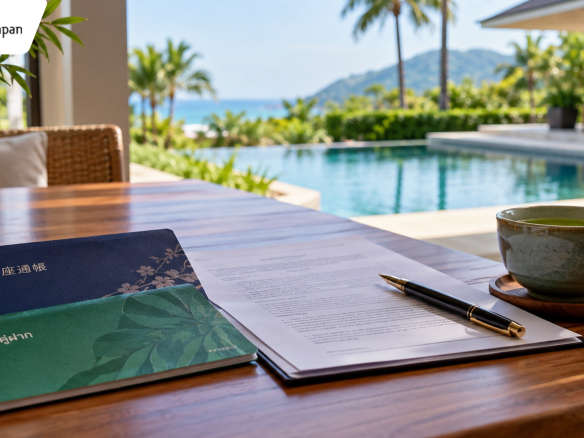
Most retirees aged 50 and over use the Non-Immigrant O-A visa, and first-time applicants need health insurance covering at least ฿3,000,000 or USD 100,000 for the whole stay. Older applicants who are declined by insurers have an official alternative route.
Some guides still quote the old ฿400,000 inpatient and ฿40,000 outpatient figures, but the current O-A health insurance requirements published by the Royal Thai Embassy set a single minimum of USD 100,000 or ฿3,000,000, from either a Thai or a foreign insurer. If an insurer declines the application, you can submit the rejection letter together with ฿3,000,000 held in a bank account for the previous two months, separate from the ฿800,000 financial requirement.
The financial test itself is ฿800,000 in a Thai bank account, a monthly income of at least ฿65,000, or a combination of the two. Several serviced retirement residences in Hua Hin include visa assistance in their packages, which takes much of the paperwork off families. Wealthier retirees may prefer the ten-year Long-Term Resident route, explained in our guide to the best visa options for living in Thailand long term.
One point deserves care. If a parent has advanced dementia, the standard retirement visa may not be the right route, so confirm visa eligibility with the residence and an immigration professional before the move.
Should you buy or rent a home near care services in Hua Hin?
Rent first if care needs could change within a year or two, then buy once you know which area and home layout suit you. Buying makes sense for a long-term base near the hospital corridor or a senior-living cluster such as Hin Lek Fai, ideally a single-level home with step-free access.
Location is the first decision. Central Hua Hin keeps hospitals, clinics and shops within minutes, which suits anyone with regular appointments. Hin Lek Fai, in the hills to the west, has become a natural cluster for senior living, home to Sunshine International and Elder Blossom, with fresh air, space and good value. Our area guide to Hin Lek Fai’s quiet hills explains why so many retirees settle there.
The second decision is the type of home. A condo with a lift offers security and low maintenance, while a single-storey villa gives space for a live-in caregiver and visiting family. Our comparison of townhouses versus villas in Hua Hin covers the trade-offs, and long-term rental versus buying in Hua Hin helps you decide when ownership makes sense.
How I advise older buyers and renters
When a client tells me care may be part of their future, I shortlist homes differently. Before price or view, I check the details that decide whether a home still works at eighty: a step-free path from parking to the front door, a walk-in shower, doorways wide enough for a wheelchair, and a spare bedroom with its own bathroom where a live-in caregiver can have privacy.
For families who are not yet sure, I usually suggest renting for six to twelve months in the area they are considering. It costs little compared with buying the wrong house, and it lets a parent settle, find a clinic they like and meet neighbours before anyone commits capital.
Japanese-level service, to me, means checking all of this before a viewing rather than after it, so nobody falls in love with a home that will not suit them. If you would like a shortlist prepared this way, you can reach me directly through my agent profile.
How do you choose the right care provider in Hua Hin?
Visit at least two providers in person, ask to see the facility licence and caregiver registration, and confirm the drive time to Bangkok Hospital Hua Hin. Then read the contract for notice periods, inclusions and how fees change if care needs increase.
A practical checklist for your visits:
- Licence and training: health business establishment licence and caregiver registration certificates
- Staffing: night-time staff numbers and whether a nurse is on site or on call
- Language: English, German or Japanese speakers among staff, depending on your family
- Hospital link: drive time, transport arrangements and who escorts residents to appointments
- Daily life: meals, activities, outings and how residents spend an ordinary afternoon
- Contract terms: deposit, notice period, trial stays and what happens if care needs grow
Visit at mealtime if you can. How staff speak to residents over lunch tells you more than any brochure.
Frequently asked questions
Can couples live together in a Hua Hin care residence?
Yes, most residences welcome couples, and many price shared rooms accordingly. Elder Blossom, for example, charges ฿85,000 a month for two people sharing, with meals and services included.
Is dementia care available in Hua Hin?
Some providers in and around Hua Hin support residents with memory loss, and Blue Lotus in Pranburi follows care standards for early-stage dementia set by its specialist team in Bangkok. Ask each provider about staff training, secure layouts and night supervision before choosing.
Can I try a short stay before committing?
Yes, many residences offer monthly arrangements, and Blue Lotus accepts stays from 30 days. Renting a condo nearby for a few months is another gentle way to test the town.
Do care homes in Hua Hin help with visas?
Several serviced retirement residences include visa and immigration help in their packages. You still need to meet the O-A financial and insurance rules, so prepare those documents early.
How much does a live-in caregiver cost in Hua Hin?
Non-nursing caregivers start from around ฿10,000 a month, while a live-in qualified nurse with good English can cost about ฿35,000. Agencies charge more but handle replacements, holidays and supervision for you.
Can foreigners buy a condo in a retirement residence?
Yes, foreigners can own condo units freehold, provided the building’s foreign ownership quota is still available. Our guide to the foreign freehold condo quota in Thailand explains how to check this before you buy.
Is Hua Hin better than Chiang Mai for elderly care?
Chiang Mai has a longer history of foreign care homes, while Hua Hin offers sea air, no burning season and a shorter drive to Bangkok’s specialist hospitals. Our comparison of Chiang Mai or Hua Hin looks at the wider lifestyle differences.
The bottom line
Hua Hin gives older expats real choice. You can move into an all-inclusive care residence, buy or rent a serviced retirement condo with a medical team on call, or stay in your own home and bring caregivers to you, all within reach of an internationally accredited hospital that has just expanded into a new building. Caregivers working in licensed care homes follow national training rules, and the costs remain a fraction of what families pay in Europe, Australia or North America.
Three steps make the transition smooth. Arrange O-A insurance while you are still insurable. Visit at least two providers and ask to see their licences. And choose a home, rented or owned, that can adapt as needs change, ideally single-level, step-free and close to the Phetchakasem Road hospital corridor or the senior-living cluster in Hin Lek Fai.
If you are planning for yourself or for a parent, Hua Hin Japan can help you find a care-ready condo, townhouse or villa to buy or rent, with service in English and Japanese.

 English
  Japanese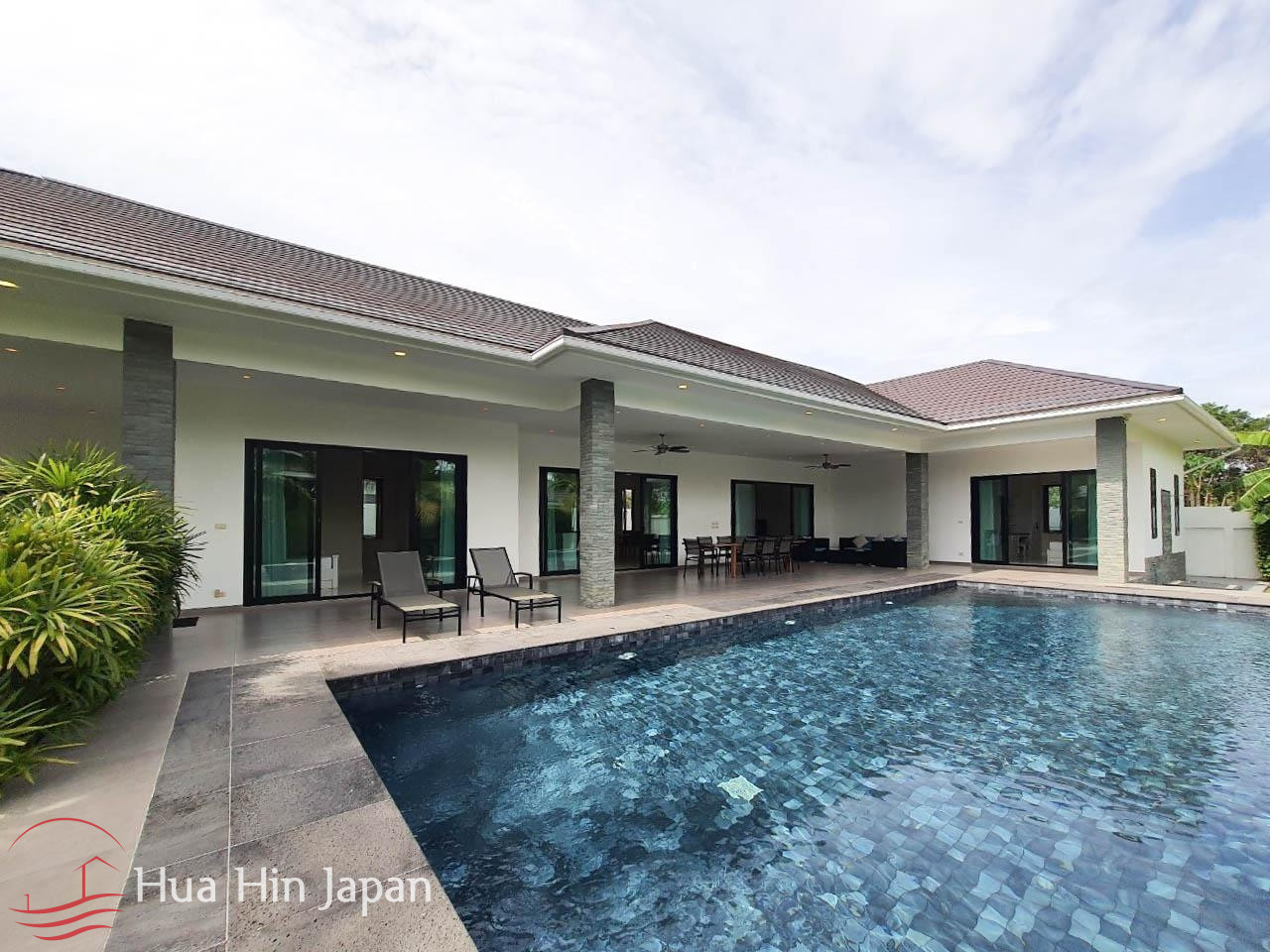
Join The Discussion