
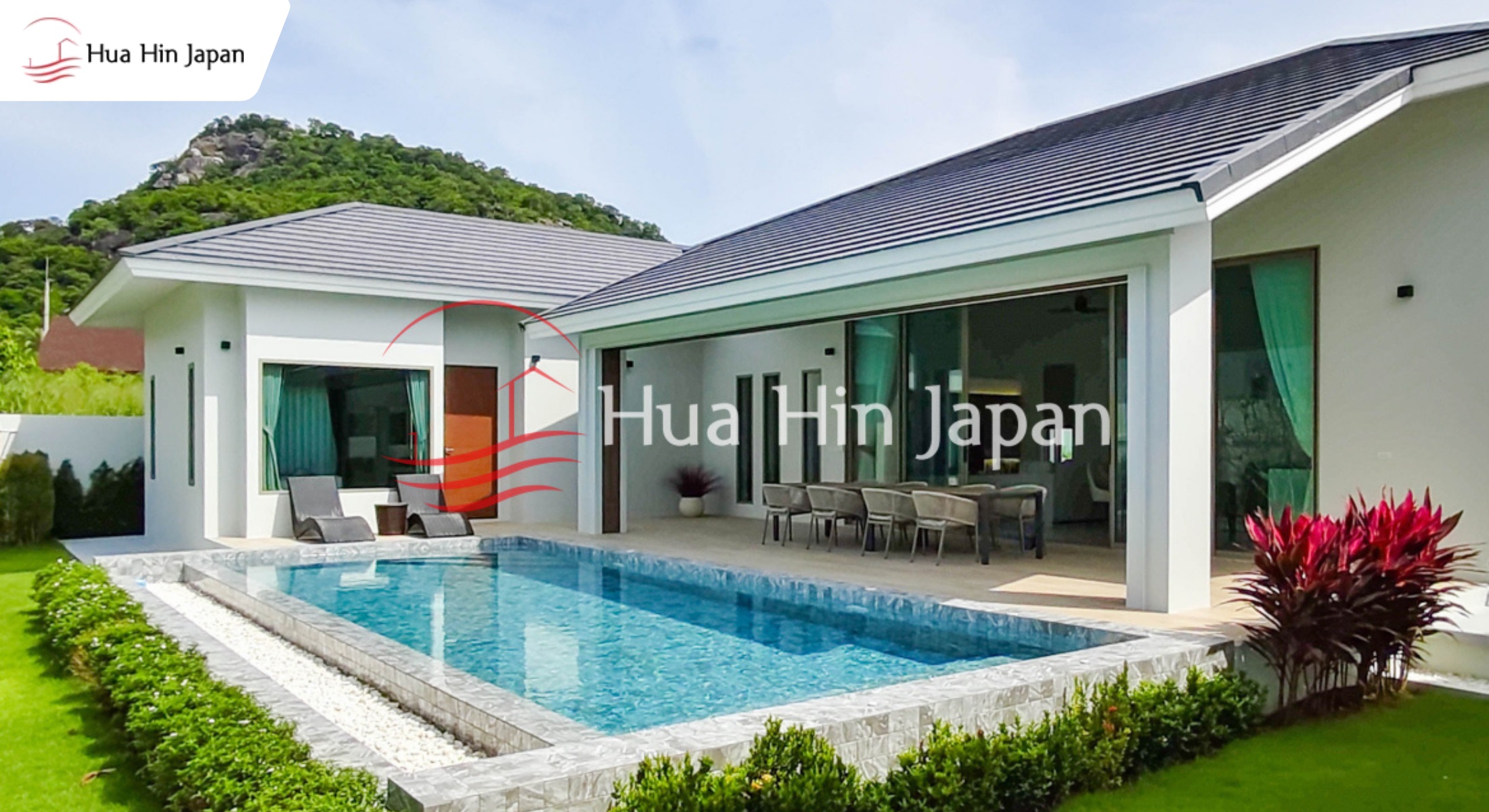
Buying property in Hua Hin suits foreign buyers who want a seaside home, a retirement base or a steady long-stay rental, because prices sit below Phuket and Bangkok, condos can be owned freehold and international flights are returning. The drawbacks, namely land rules, slower resale and modest yields, all have practical workarounds.
Every market has trade-offs, and the buyers who end up happiest in Hua Hin are the ones who understood them before signing. Below you will find the real advantages, the honest disadvantages and exactly how experienced buyers handle each one, so you can decide with clear eyes rather than holiday enthusiasm.
Table of Contents
What are the biggest advantages of buying property in Hua Hin?
The biggest advantages are value for money, freehold condo ownership for foreigners, a calm royal-resort lifestyle and improving international access. Hua Hin is a lifestyle market first, so buyers get space and stability rather than speculative swings.
Hua Hin has been Thailand’s royal seaside retreat for almost a century, and it has kept the quieter, more residential character that Phuket and Pattaya traded for mass tourism. For a buyer, that translates into well-kept neighbourhoods, lower-density villa projects and a resident population of families, retirees and Bangkok weekenders who keep the town busy all year rather than for a few peak months.
The table below sets each advantage next to its matching drawback and the practical solution buyers use.
| Pro | Con | How smart buyers handle it |
|---|---|---|
| Lower prices than Phuket and central Bangkok | Price growth is steady rather than explosive | Buy for use and a long-term hold in an established area |
| Freehold condo ownership in your own name | Foreigners cannot own land directly | Buy a condo within the 49% foreign quota, or a villa through a registered lease while owning the house itself |
| Calm lifestyle with golf, hospitals and beaches | Nightlife is quieter than in Pattaya or Phuket | Choose central Hua Hin for walkability, the south or the hills for peace |
| Steady demand from long-stay tenants | Yields are lower than in resort hotspots | Target monthly and seasonal renters instead of nightly guests |
| Airport upgrades and a national tourism push | International routes are still being restored | Pay today’s fair value and treat new flights as upside |
| Large choice of completed homes to inspect | Resale can take several months | Buy well-located stock at a realistic price so it is easy to sell later |
Is property in Hua Hin cheaper than in Phuket or Bangkok?
Yes. Hua Hin generally costs less per square metre than Phuket or central Bangkok, so the same budget buys a larger condo or a villa with a private pool and garden.
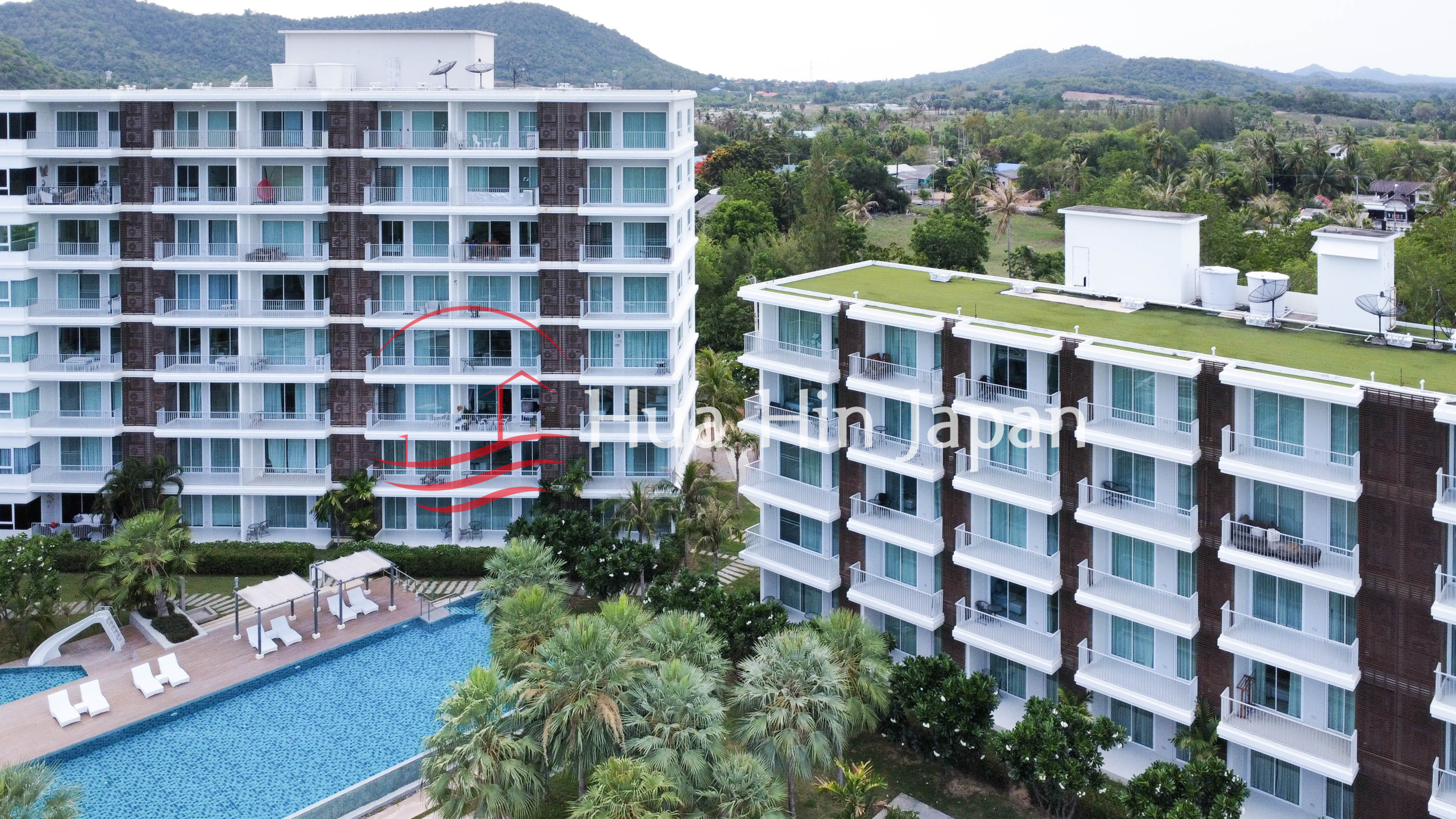
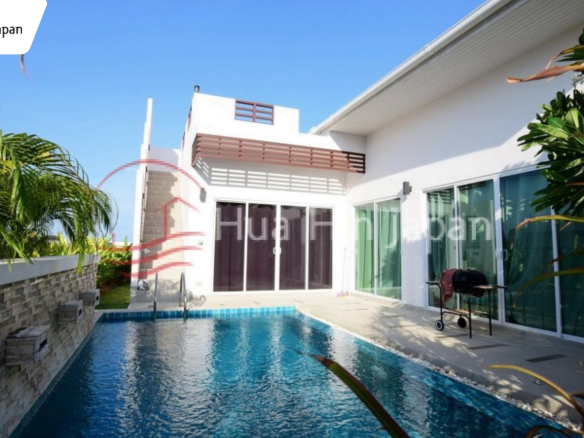
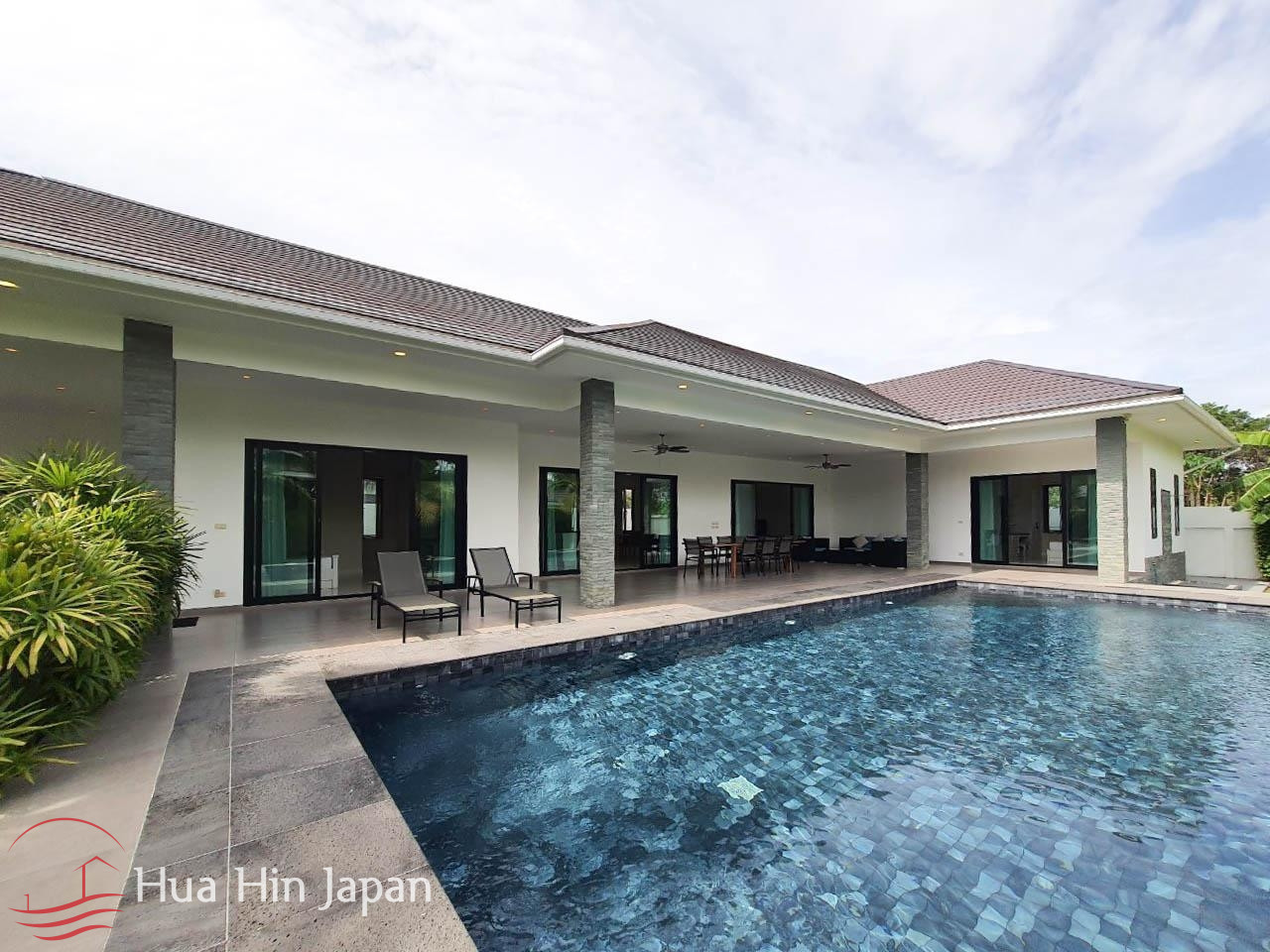
Current listings on Hua Hin Japan in October 2026 show the range clearly. A two-bedroom pool villa in Sivana Garden, Khao Tao, is offered at ฿4.8 million, and a three-bedroom pool villa in Smart House Valley off Thap Tai Road at ฿7.48 million. A sea-view, two-bedroom corner unit in the beachfront Wan Vayla condominium is listed at ฿12.9 million, while a three-bedroom on-course villa at Sansara, Black Mountain Golf, sits at ฿20.4 million.
Money stretches further here because most land suitable for villas lies inland, a short drive from the beach, where plots are larger and cheaper. For a side-by-side view of each budget band, see what ฿5M, ฿10M and ฿20M gets you in Hua Hin.
Can foreigners legally own property in Hua Hin?
Yes. Foreigners can own a condominium unit freehold in their own name, provided foreign ownership in the building stays within 49% of the total unit area and the purchase money comes from abroad, while villa buyers use a registered land lease and own the house itself.
The rules come straight from the English translation of the Condominium Act published by Thailand’s Department of Lands. Section 19 bis caps foreign ownership at forty-nine percent of the total area of all units in a building, and Section 19 qualifies foreign buyers who bring foreign currency into the country to pay for the unit.
In practice, two documents protect you. First, ask the building’s juristic person office for a letter confirming the foreign quota still has room for your unit. Second, send condo funds by international bank (SWIFT) transfer in your own name with the purpose stated as a condominium purchase, so the receiving Thai bank can issue the foreign exchange paperwork the Land Office will ask for. Our guide to the foreign freehold condo quota in Thailand walks through both steps.
Houses and villas work differently because the land underneath cannot be held in a foreign name. Buyers typically register a long lease on the land at the Land Office and hold ownership of the building separately, a structure explained in detail in buying versus leasing a house in Thailand.
Is Hua Hin a good place to retire or live full-time?
Yes. Hua Hin is one of Thailand’s most established places to live by the sea, with private hospitals, international schools, championship golf courses and a long-standing expat community, all within roughly three hours’ drive of Bangkok.
Daily life is easy to settle into. Supermarkets, night markets, beach restaurants and weekend craft markets are close to most neighbourhoods, and the town never feels overrun outside the main Thai holiday weekends. Retirees value the calm pace, families value the shallow beaches, and golfers have more quality courses within twenty minutes than most cities in Europe or Japan.
Medical care is often the deciding factor for older buyers, and Hua Hin is well served with both private and public options. Our overview of hospitals, clinics and insurance options in Hua Hin covers what to expect and what it costs.
Will the airport and tourism upgrades raise property values in Hua Hin?
The upgrades are a clear long-term positive. The Thai government is working to return international flights to Hua Hin Airport, with runway and terminal work targeted for completion by the end of 2026, which widens the pool of visitors, tenants and future buyers.
According to a Tourism Authority of Thailand feature from August 2026, the government is courting airlines to launch direct routes from Kuala Lumpur, Taipei, Shanghai and Singapore. The same report notes a three-year partnership between TAT and Thai AirAsia to bring higher-spending visitors, and a national plan to position Hua Hin alongside Phuket and Ko Samui while keeping its quieter character, with a focus on wellness, sporting events and luxury hospitality.
For property owners, a “value over volume” strategy is good news. Higher-spending, longer-staying visitors are exactly the people who rent villas by the month and later buy. The sensible approach is to pay a fair price based on today’s market and treat new air routes as future upside rather than a reason to overpay. The latest figures are in our Hua Hin property market report.
Is Hua Hin good for rental income?
Hua Hin is good for steady rental income rather than high short-term yields. Most demand comes from monthly and seasonal tenants, such as retirees escaping a northern winter, families relocating from abroad and Bangkok residents who want a coastal base.
Well-presented pool villas let reliably on monthly terms. Current rental listings on Hua Hin Japan include a three-bedroom pool villa in the Red Mountain project off Soi 88 at ฿45,000 a month, a two-bedroom golf-view unit at Sansara, Black Mountain, at ฿55,000, and a three-bedroom pool villa beside Pineapple Valley Golf Club at ฿70,000.
Long-stay letting also keeps you on the right side of Thai licensing rules, which generally require a hotel licence for stays shorter than 30 days. Tenants who stay for months cause less wear, need less management and pay more predictably than nightly guests. If you plan to let your home while you are away, read how to rent out your Hua Hin property before you choose a unit, because layout and location affect demand more than finishes do.
What are the disadvantages of buying property in Hua Hin, and how do buyers handle them?
The main disadvantages are restrictions on foreign land ownership, slower resale than in big cities, modest rental yields and licensing rules on short stays. None is a deal-breaker when the property is chosen and structured correctly from the start.
Land ownership limits. Foreigners cannot hold land in their own name, and nominee arrangements that try to get around the rule carry real legal risk. Use the legal routes instead: a freehold condo within the quota, or a properly registered lease with ownership of the building.
Slower resale. Hua Hin has fewer buyers than Bangkok, so an overpriced home can sit for a long time. Homes in established projects, priced in line with recent sales and close to amenities, sell far faster. Buying right is the best exit strategy.
Modest yields. Expect steady income rather than headline returns. Most owners here balance rental income with their own use of the home for part of the year, which is where the real value lies.
Title and paperwork risk. Problems usually come from unclear land titles or rushed contracts, not from the market itself. Always confirm the title type and its history at the Land Office, as explained in how to check a Chanote title deed in Thailand, and have contracts reviewed independently before paying a deposit.
Should you rent before buying property in Hua Hin?
If you are new to Hua Hin, renting for a few months before you buy is the smartest first step. You learn which neighbourhood fits your daily routine, and you buy later with far fewer surprises.
Many of the buyers I work with are Japanese clients purchasing a home outside Japan for the first time, and in more than 20 years in Hua Hin I have learned that the best purchases start with living here, not with a two-week holiday. Before anyone commits, I arrange hotels, transfers and golf so clients can experience an area at different times of day, in different seasons, and from the point of view of someone who actually lives there. Morning traffic on Petchkasem Road, the sound of a neighbouring construction site or the drive to the hospital only show up once you stop being a tourist.
I would never push a client toward a purchase that does not suit them, and sometimes the honest advice is to rent for a season first. Because Hua Hin Japan handles both sales and long-term rentals, clients can move from a rented villa to an owned one without starting their search again. Our comparison of long-term rental versus buying in Hua Hin sets out the numbers on both sides.
Condo or villa: which is better for a foreign buyer in Hua Hin?
Choose a condo if you want freehold ownership in your own name, low maintenance and walkable beach access. Choose a villa if you want space, a private pool and a garden, and are comfortable owning through a registered lease structure.
One of the decisions I help retirees with most often is a beachfront condominium versus a golf course villa. On paper the villa usually wins on space per baht. In daily life, a condo means you can lock the door and fly home for three months without worrying about the garden, while a villa means a pool, room for visiting family and complete privacy. I always describe the inconvenient parts as clearly as the attractive ones: common area fees in a condo, and ongoing staff and upkeep for a villa, which our guide to what a maid, gardener and pool cleaner cost in Hua Hin puts into real figures.
Neither choice is wrong. The right one depends on how many months you will spend here, who will visit and how much maintenance you want to manage. For a deeper investment comparison, see luxury villas versus condos in Hua Hin.
Frequently asked questions
Can a foreigner buy a house in Hua Hin?
A foreigner can own the house itself but not the land beneath it, so villa purchases normally combine a registered land lease with ownership of the building. Condominium units are the only property type a foreigner can own outright, including the share of land, in their own name.
Does buying property in Hua Hin give me a Thai visa?
Owning property does not by itself grant residence, so you still need a suitable long-stay visa such as a retirement or long-term resident category. Our guide to the best visa options for living in Thailand long term compares the main routes.
Is Hua Hin better than Phuket for buying property?
Hua Hin is usually the better fit for full-time living, retirement and steady long-stay rentals, while Phuket leans toward tourism-driven holiday letting. Our comparison of Hua Hin and Phuket for expats looks at prices, lifestyle and access side by side.
Is it safe to buy off-plan property in Hua Hin?
Off-plan can offer good prices, but the safety depends entirely on the developer’s track record, the payment schedule and the contract terms. First-time buyers often prefer completed homes they can inspect, as explained in off-plan versus completed property in Hua Hin.
Where are the most affordable areas to buy in Hua Hin?
Inland areas west of Petchkasem Road, such as Hin Lek Fai and the Soi 88 area, typically offer larger plots and lower prices than beachfront locations. Our guide to the cheapest areas to buy property in Hua Hin lists the best-value neighbourhoods.
How long does it take to buy a property in Hua Hin?
A completed resale home with a clean title can often move from reservation to transfer at the Land Office within a few weeks. Most of that time goes on transferring funds from abroad, preparing documents and completing due diligence.
Is buying property in Hua Hin worth it?
For buyers who want a high quality of life by the sea, buying in Hua Hin is worth it. You get more space for your money than in Phuket or Bangkok, secure legal routes to ownership and a town whose international profile is rising.
The drawbacks are real but manageable: respect the land rules, buy at a fair price in an established area, plan for long-stay rather than nightly rentals, and check every title and contract before you pay. Buyers who follow those steps rarely regret choosing Hua Hin.
Ready to see Hua Hin for yourself?
Hua Hin Japan has helped international buyers, sellers and tenants since 2005, in English and Japanese. Call 083 313 2788 (English and Japanese) or 084 494 3584 (English and Thai) to arrange viewings, a rental to test the area, or a straightforward conversation about whether Hua Hin is right for you.

 English
 Japanese
Join The Discussion